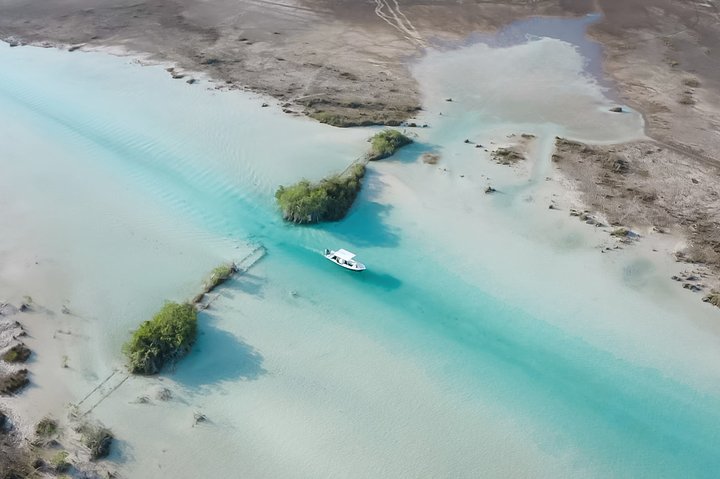
Three days is the right length for Bacalar. It gives you time to see the lagoon at its best, swim in a cenote or two, walk the town and take one longer trip to a Maya site without rushing. The plan below follows a simple rhythm: water in the morning, when the lagoon is calmest and the colours are strongest, a swim or a meal in the middle of the day, and a slower evening in town or on the Costera. Swap days around to suit the weather, because boat trips and paddles are the activities most affected by wind and rain.
Day one: the lagoon and the town
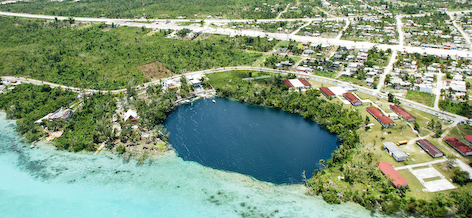
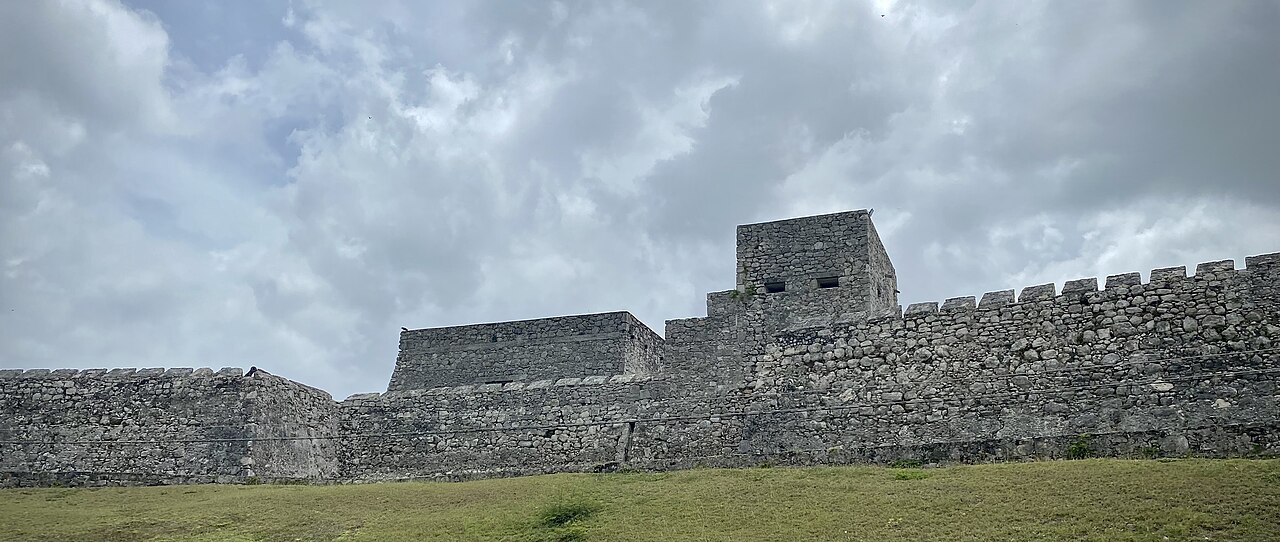
Start with a morning on the water. The small-group lagoon boat tour is the classic first outing, with swim stops and a cenote visit, and it is a good way to understand why the lagoon is called the Lagoon of Seven Colors. In the afternoon, swim at Cenote Azul, the deep, open-air cenote just south of town, then walk to the Fuerte de San Felipe, the eighteenth-century fort that now houses a small museum about the pirates who once troubled this coast. Finish with dinner around the square, where seafood restaurants, taquerias and woodcraft stalls cluster. If you prefer an evening on the water, the sunset sail is an alternative to dinner in town.
Day two: quieter corners of the lagoon
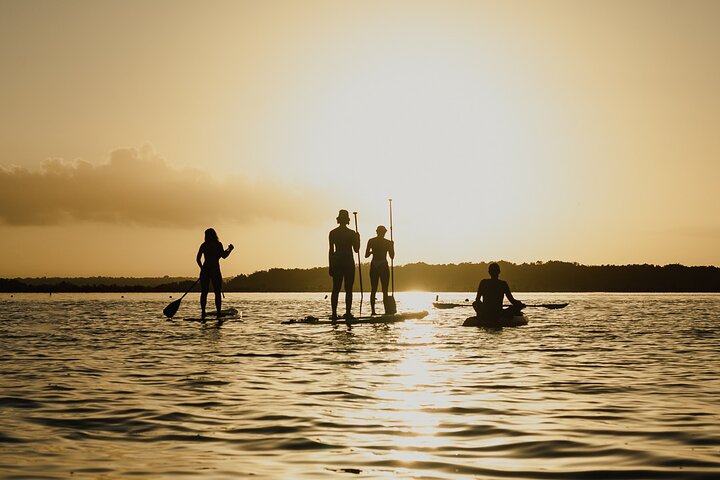
Begin before breakfast with a sunrise paddle. The sunrise paddleboard tour includes breakfast and photos, while the hidden lagoons paddle by kayak or board adds a sound healing session. Both work because the surface is usually glassy early in the day. Spend the middle of the day at Cenote Cocalitos, where the shallow water and the stromatolites give a very different feel from Cenote Azul. Remember not to step on or touch the stromatolites, which are among the oldest living structures on Earth. In the afternoon, rest, read or take a slow walk along the Costera, the lagoon road with docks and beach clubs. If you want a restorative treat, book the Janzu aquatic massage a few weeks ahead, since it is popular.
Day three: a ruins day
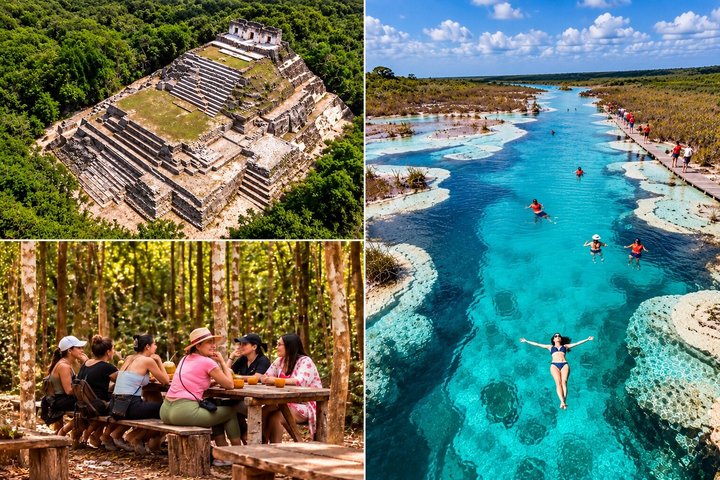
Choose one trip according to your interests and energy. The Ichkabal and Los Rápidos tour is the easiest, with hotel pickup, a large Maya site in the forest and a float down the current at Los Rápidos. Dzibanché and Kinichná are better if you have a car or driver and want quiet plazas and carved stucco. History lovers who would prefer a city day can go to Chetumal for the Museo de la Cultura Maya and add the Oxtankah ruins on the bay. Calakmul is too far for a three-day plan unless you give the whole day to it. Whatever you choose, start early, take water and a hat, and carry cash for gates and small restaurants.
Getting around
The nearest airport is at Chetumal, about 40 minutes by road, and the Tren Maya serves a station on the edge of town. In Bacalar you can walk or cycle the centre, and taxis reach the cenotes and the hotels along the highway. A hire car is useful for Dzibanché and Oxtankah, while tours with pickup suit travellers who would rather not drive. Many gates, stalls and cafes accept only pesos, so carry cash.
Where to base yourself
For a three-day stay, the Costera puts you close to Cenote Azul and Cenote Cocalitos and keeps the lagoon within a few steps. The town centre suits those who want to walk to the fort and to dinner. Lagoon-front resorts on the highway are quieter but need a taxi for most outings. Whatever your choice, ask whether kayaks or paddleboards are included, because a dock of your own makes the sunrise sessions much easier.
Protecting the lagoon
The lagoon is a fragile ecosystem. Use sunscreen sparingly, choose a mineral product if you must wear it, and prefer a rash guard and a hat. Do not use lotions or repellent before swimming in a cenote, and keep clear of the stromatolites. If you follow that advice, the lagoon should look just as good for the next visitor as it does for you.
If you have an extra half day, add a floating yoga session or a bike ride along the Costera, and keep the final afternoon free for packing and a last swim. If you are short of time, drop the ruins day and spend it on the lagoon instead. Whatever you decide, build in a rest hour after lunch, because the heat and the water can be tiring, and leave room for the unexpected.