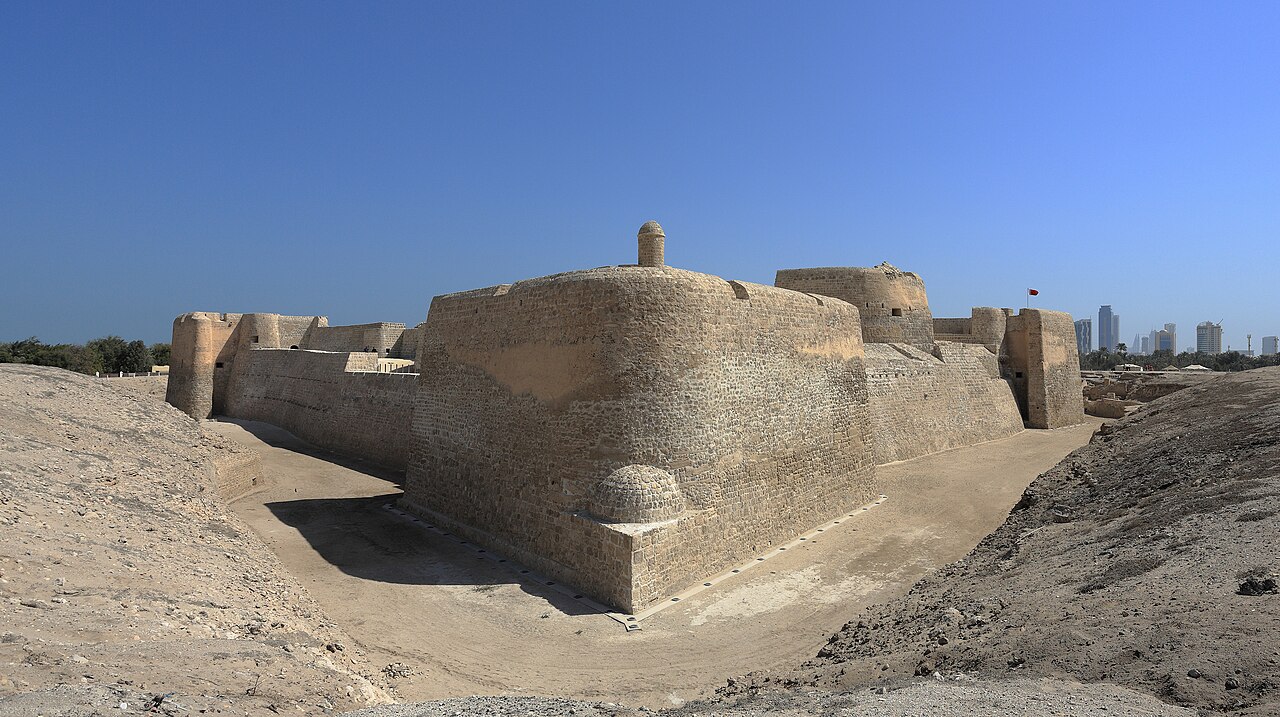
Bahrain is small, safe to navigate on the ground and surprisingly deep for its size. You can cross the main island in under an hour, yet it holds three UNESCO World Heritage Sites, a living souq, a pearling coast and a desert with a famous lone tree. The practical challenge is not distance but planning: opening days, the heat and the current regional situation all matter.
Check the travel advice first
Before you book flights or non-refundable tours, read your government's current advice for Bahrain. As of November 2026 the US State Department lists Bahrain at Level 3, Reconsider Travel, citing terrorism and regional armed conflict, and the US Embassy in Manama issued a security alert in October 2026. The UK Foreign Office advice was also updated in October 2026 and warns of regional tensions, possible airspace closures and flight disruption. Conditions can change quickly, so choose flexible fares, keep your departure plans under review, register with your embassy and follow local authorities. We list sights and tours as open, but always confirm before you travel.
What to book ahead
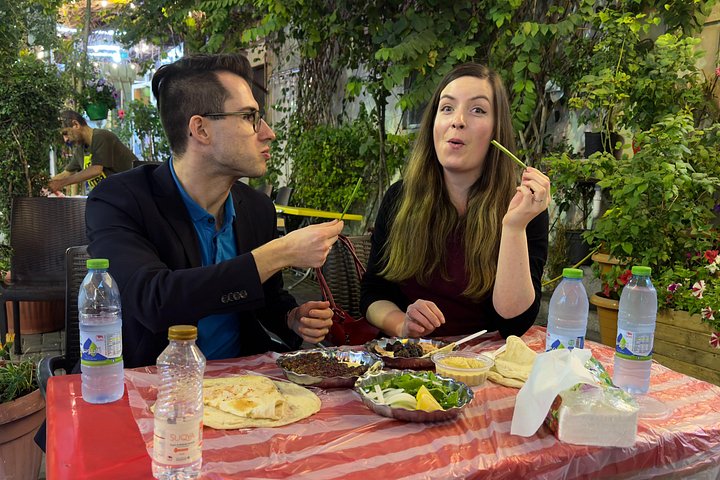
Very little in Bahrain sells out, which is part of its charm. The things worth reserving are the guided experiences: the Manama Souq food tour, the Pearling Path walking tour with its boat leg, a Tree of Life or desert half-day with pickup, and the full-day guided circuit if you have a single day. The Jarada Island boat day is a private charter, so book it early and watch the weather. Museums and forts need no advance tickets.
Know the closing days
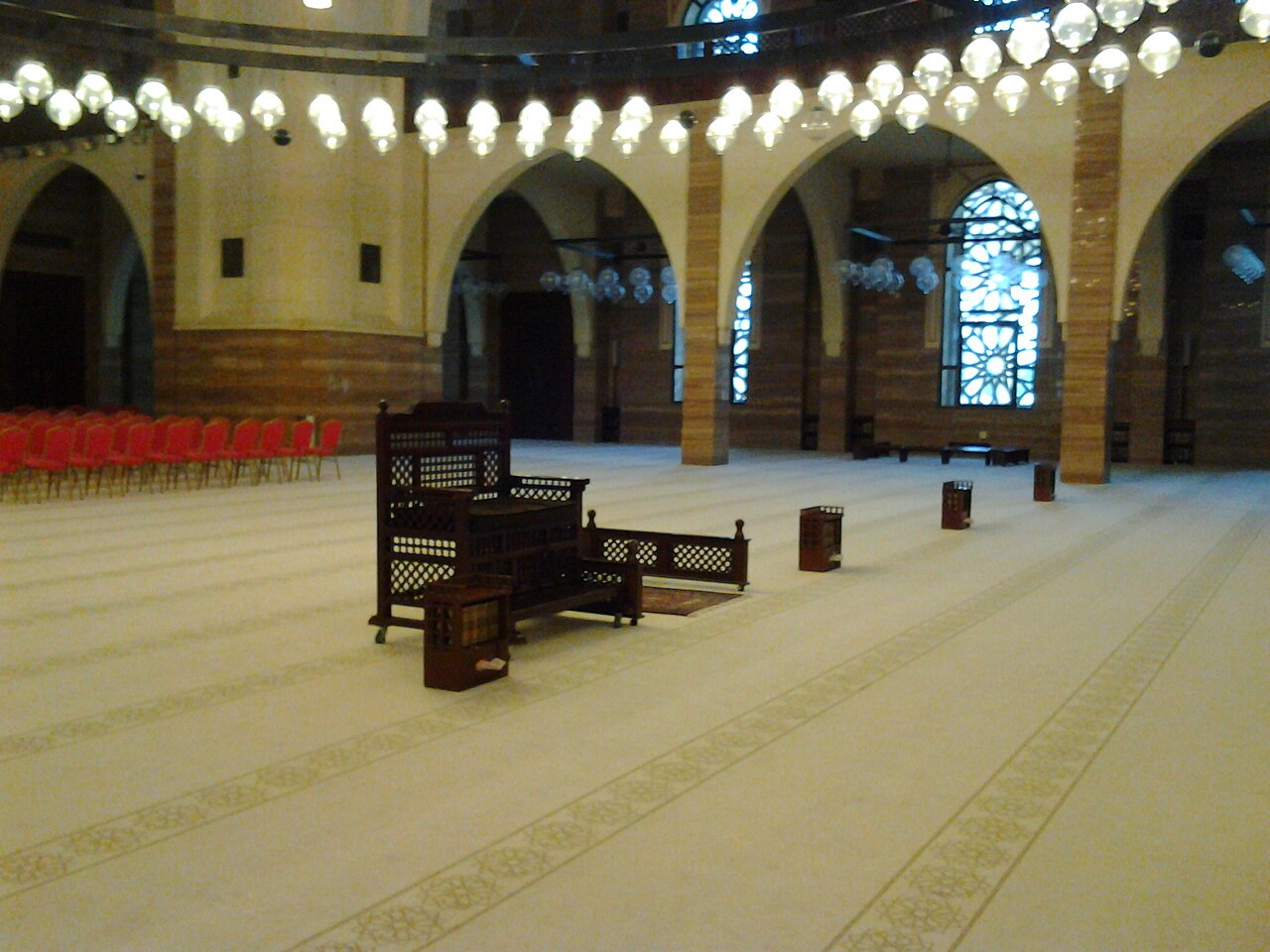
Bahrain's weekend is Friday and Saturday, and several sights keep their own rhythm. The Al Fateh Grand Mosque and the Beit Al Quran are closed on Fridays, the Bahrain National Museum is closed on Tuesdays, and the Pearling Path and its boat service are closed on Tuesdays too. The site museum at Bahrain Fort closes one day a week. Build your days around these, and visit mosques outside prayer times.
Getting around
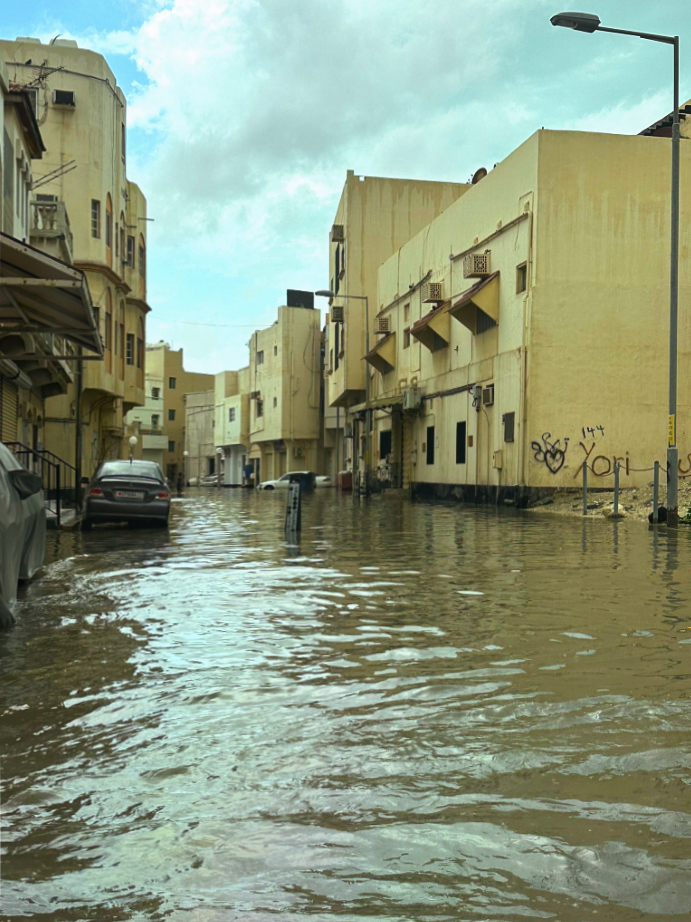
There is no metro, so you will use taxis, ride-hailing apps, a rental car or a driver. Distances are short, so fares are modest by international standards. The causeways link Manama to Muharraq and the airport. Dress modestly in public, with covered shoulders and knees, and more conservatively at mosques. The currency is the Bahraini dinar, and cards are widely accepted, though a little cash helps in the souq.
How many days
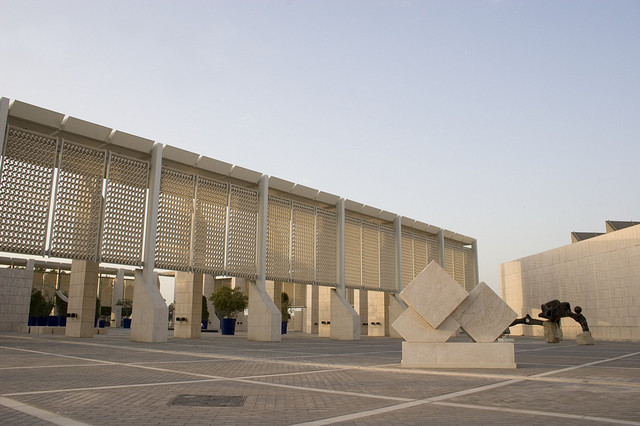
Two days covers the essentials: one for Manama, with the National Museum, the Al Fateh Grand Mosque and an evening food walk in the souq, and one for the UNESCO sites, with Bahrain Fort and the Pearling Path in Muharraq. Three days adds the Tree of Life and desert, plus the Beit Al Quran, and four allows a boat day to Jarada Island. If you have only one day, take the full-day guided tour.
When to go
November to March is the sweet spot, with warm days and cool evenings. Summer is extremely hot and humid, so keep outdoor sights to early morning or late afternoon. Ramadan changes opening hours and the rhythm of the day, with many restaurants closed until sunset, so check dates if you travel then, and remember that Bahrain's visa and entry rules should be confirmed with the government eVisa service before you fly.
Where to base yourself
Our guide to where to stay in Manama compares the Four Seasons at Bahrain Bay, The Merchant House beside the souq, the Gulf Hotel in Adliya, Wyndham Garden in Juffair and the ibis Styles in the Diplomatic Area. For a first trip, the souq-side Merchant House or the all-round Gulf Hotel are the easiest starting points.