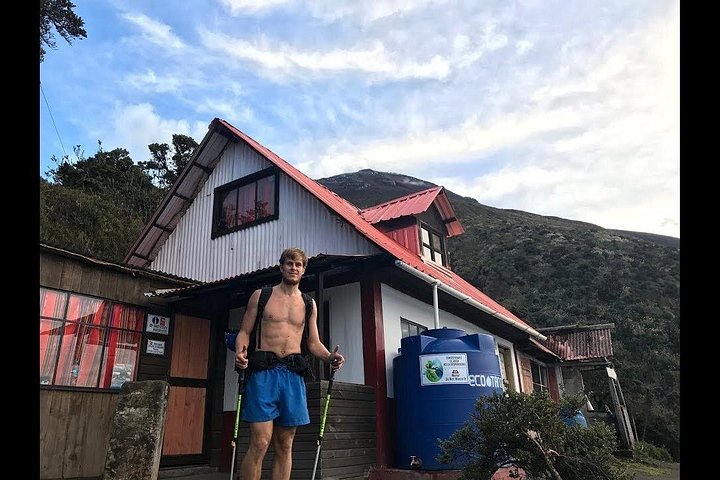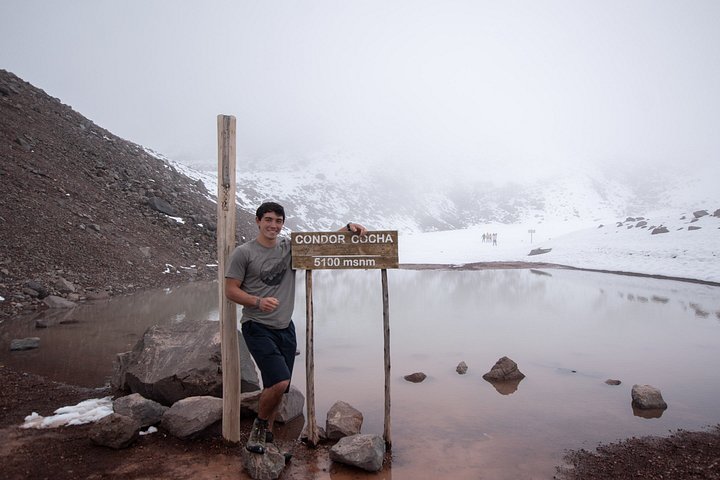
Chimborazo, at about 6,263 metres, is the highest mountain in Ecuador and holds a remarkable record: because of the Earth's equatorial bulge, its summit is the point farthest from the centre of the planet. That fact draws curious travellers, but the mountain is also simply spectacular, a glacier-capped giant rising from a high, dry plateau. Day trips from Banos travel south through the highlands toward Riobamba and then climb into the Chimborazo Fauna Production Reserve. The landscape changes from farmland to bare, windswept paramo, where herds of vicunas, graceful relatives of the llama, graze. Vehicles stop at viewpoints and the first refuge, and visitors can walk on trails at over 4,800 metres, depending on the programme.
Altitude is the central issue. Even a short walk at that height can leave you breathless, and headaches or nausea are possible. Drink water, walk slowly and tell your guide if you feel unwell. Spending a few days in the highlands before the trip helps, and anyone with heart or lung conditions should seek advice. Dress in warm, windproof layers, because temperatures can drop sharply and the wind is strong.
A typical day starts early, with a drive of about two to three hours each way. Stops may include a roadside view of the mountain, a visit to a small community or craft shop and time at the refuge area. Some tours offer a hike toward the second refuge or a cycling descent from the lower slopes, which is exhilarating but chilly. Choose according to fitness and interest, and confirm what is included in your product.
Weather is changeable. On a clear day the summit is dazzling, but cloud often hides it, and rain or snow can limit access. Guides watch the forecast and adapt. If the mountain is hidden, the landscape and the vicunas still make the trip worthwhile, though expectations should be flexible.
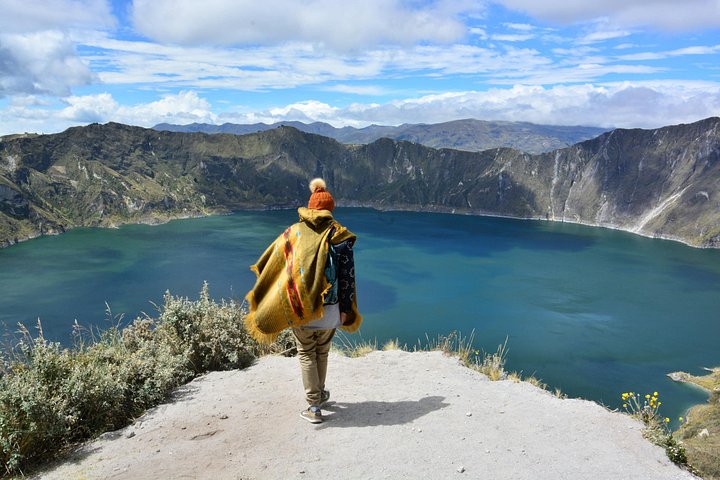
The linked product is a full-day tour to Chimborazo from Banos. It suits travellers who want a major highland landmark and are comfortable with a long day in a vehicle. Combine it with a Quilotoa trip or a Cotopaxi visit if you have time, but avoid stacking too many high-altitude days in a row. Back in Banos, a hot soak is a welcome reward for a cold, tiring day, and the contrast between the frozen heights and the warm baths is one of the pleasures of this region.
Operators usually provide a hot drink or snack at the refuge, but confirm what is included before you go. Sunglasses and strong sunscreen are essential, since the UV level is high and the air is thin. If you are sensitive to cold, bring a thermal layer and warm socks. For photographs, the best light is in the morning, and the contrast between the white ice and the brown paramo is striking.
Vicunas are protected animals, so keep your distance and never feed them. It is a long, rewarding day that stays with you. Plan a gentle evening afterward: a hot shower, a simple meal and an early night. Many visitors find that the combination of altitude, cold and a long drive leaves them pleasantly exhausted. The next morning, a slow breakfast and a stroll around town are all you need.
What to expect
The experience
A guided full-day trip from Banos to the Chimborazo reserve, with views, vicuna sightings and short high-altitude walks.
Best time
Early start; clear mornings give the best views. Weather changes quickly.
How long
A full day with two to three hours of driving each way.
Tips
Dress in warm windproof layers, drink water and walk slowly at altitude.
Quick picks
- Best for
- Travellers who want a famous highland landmark.
- Families
- Children may struggle with cold and altitude. Check suitability.
- Couples
- A dramatic landscape to share.
- Pair with
- Hot springs back in Banos afterward.
- Time needed
- One long day.
Good questions
How high is Chimborazo?+
About 6,263 metres, the highest peak in Ecuador.
Why is it the farthest point from the Earth's centre?+
The planet bulges at the equator, and Chimborazo's summit is close to it.
Will I get altitude sickness?+
Possibly mild symptoms. Move slowly, drink water and tell your guide.
Can I see vicunas?+
Often yes in the reserve, though sightings are not guaranteed.
What should I wear?+
Warm, windproof layers, a hat, gloves and sturdy shoes.