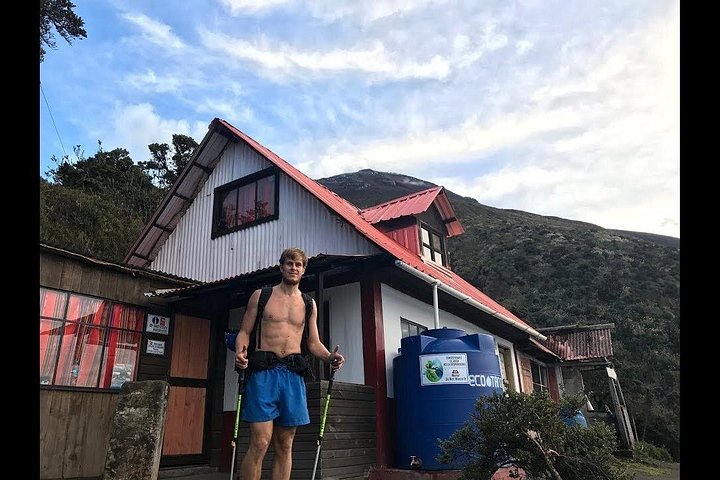
Tungurahua, the Throat of Fire, rises above Banos to a summit of more than 5,000 metres and has been intermittently active for decades. Its slopes shape the town: ash, lava and mudflows have changed the land, and the volcano is monitored closely by Ecuador's geophysical institute. For visitors, the mountain is both a backdrop and a destination, and guided hikes to the refuge area on its flank are a challenging full-day excursion. The tour begins before dawn with a drive to the trailhead, followed by a steady climb on a path that crosses farmland, high grassland and rocky terrain. Altitude is the main difficulty: the hike gains height rapidly, the air thins and the weather changes quickly. Guides set the pace, give rest stops and point out features such as old lava flows and craters.
Access depends on volcanic status and local rules. When activity is elevated or closures are in place, tours may be suspended or redirected to alternative routes. Responsible operators follow guidance from local authorities, explain the situation and refund or change trips if the mountain is off limits. Always ask the operator about current conditions when you book, and be prepared for a change of plan.
Fitness matters. The ascent is demanding, with steep sections and loose ground, and the return can be tiring on the knees. Acclimatise in Banos for a day or two, which sits at about 1,800 metres, before attempting a longer hike. Bring warm layers, waterproofs, gloves, a hat, sunglasses, sunscreen, plenty of water and snacks. Sturdy hiking boots are essential. Weather on the mountain can be cold, wet and windy even when Banos is warm.
What makes the day worthwhile is perspective. On a clear day the views extend over the valley, the town and the neighbouring peaks, and you gain an understanding of how the volcano shapes everything around it. Even if cloud blocks the summit, the hike through changing landscapes is rewarding. Guides tell stories of eruptions, evacuations and the community's resilience.
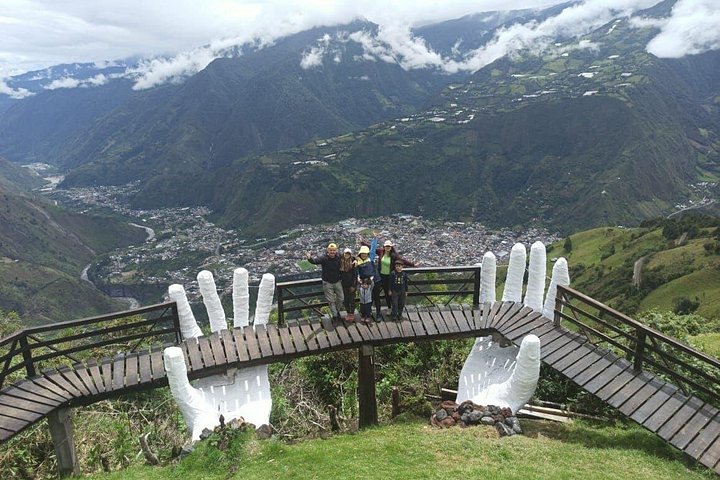
The linked product is a full-day tour to the volcano refuge area from Banos. It suits confident hikers, not casual walkers, and it is best booked early in a stay so that you can adjust if weather intervenes. For an easier look at the volcano, visit the Bellavista cross or the Mano de Dios viewpoint, which offer broad views with far less effort. Whatever you choose, treat the volcano with respect, follow guides, and remember that its beauty and its danger are two sides of the same coin.
Guides also help with the practicalities that make the day safe: they carry first aid, know the weather patterns and monitor local alerts. Ask about the start time and how early you need to be at your hotel for pick-up, which is often before sunrise. Eat a solid breakfast, pack lunch and bring electrolytes if you tend to cramp. If you are unsure of your fitness, try a shorter hill walk first, such as the Bellavista cross, and decide afterward.
A well-prepared hiker finishes the day tired but delighted. Remember that mountain weather can shut down a day without warning, so guides may turn the group around well before the end. That is part of mountain travel, and a good guide will make the decision calmly and explain it. Patience and humility are the best equipment you can bring.
What to expect
The experience
A guided early-start hike on the flank of Tungurahua toward the refuge area, with a steady climb and big views.
Best time
Dry, clear mornings. Routes depend on volcanic status and local rules.
How long
A full day including transfers.
Tips
Acclimatise first, wear boots, bring warm and waterproof layers and follow guide and authority instructions.
Quick picks
- Best for
- Fit hikers who want to climb the mountain above Banos.
- Families
- Not suitable for small children because of altitude and distance.
- Couples
- A hard but memorable shared challenge.
- Pair with
- The Bellavista cross, the hot springs afterward and an early night.
- Time needed
- One long day.
Good questions
Is Tungurahua dangerous?+
It is an active volcano monitored by Ecuadorian authorities. Tours follow guidance from local authorities and may change or cancel.
How hard is the hike?+
Demanding. Expect a steep climb at altitude, loose ground and changing weather.
What should I bring?+
Hiking boots, warm layers, waterproofs, gloves, a hat, water and snacks.
Will I see the summit?+
Maybe not. Cloud is common, and access depends on conditions.
Is there an easier option?+
Yes. The Bellavista cross and Mano de Dios viewpoints offer volcano views with little effort.