Beijing has a continental climate with four distinct seasons, and the time of year changes the trip more than in most cities. Winters are cold and dry, summers hot and wet, and spring and autumn short and lovely. Added to the weather is the Chinese holiday calendar, which can fill every sight to capacity. This guide covers each season plainly so you can pick the best dates for your own plans.
Autumn (September to October): the best season
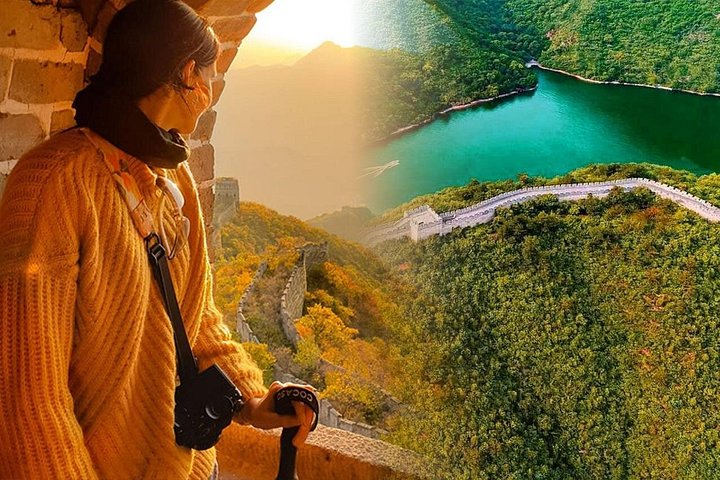
Most people agree that autumn is the ideal time. Days are warm to mild, the sky is often blue, the rains of summer have gone, and the trees in the parks and along the Great Wall turn gold and red. The Summer Palace, Temple of Heaven and Jingshan Park are at their best. The drawback is the first week of October, the National Day holiday, when millions travel and tickets for the Forbidden City and the Wall sell out. Plan around that week, or visit in late September or the second half of October.
Spring (April to May): blossom and wind
Spring brings flowering trees, mild temperatures and good conditions for Great Wall hikes, particularly in late April and May. It can be windy and dusty in March and early April, and temperatures swing widely between morning and afternoon, so bring layers. The early-May holiday week is busy. Spring is a strong choice for the unrestored Wall sections such as Jinshanling, Jiankou and Gubeikou.
Summer (June to August): hot, humid and wet
Summer is hot and sticky, with most of the year’s rain arriving in July and August, often as heavy afternoon thunderstorms. It is also the school-holiday season, so the major sights are crowded and prices rise. The upside is long days, green hills and lush parks, boat trips at Huanghuacheng and wildflowers on the Wall. If you come in summer, start early, drink water constantly, carry a light rain jacket and plan museums, the acrobatics show and tea houses for the hottest hours. The Great Wall can be slippery after rain, so be careful on the steps.
Winter (November to March): cold, dry and quiet
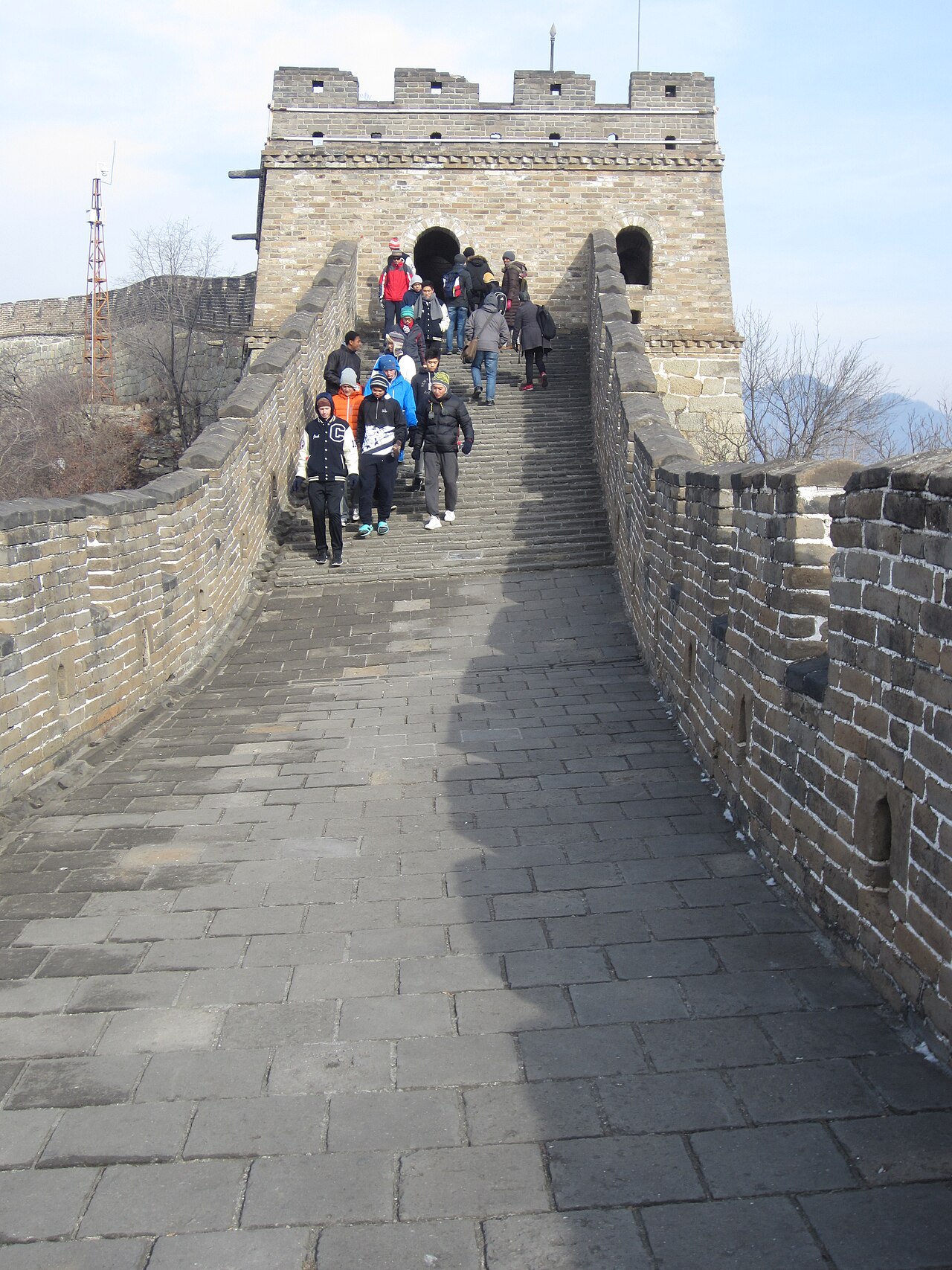
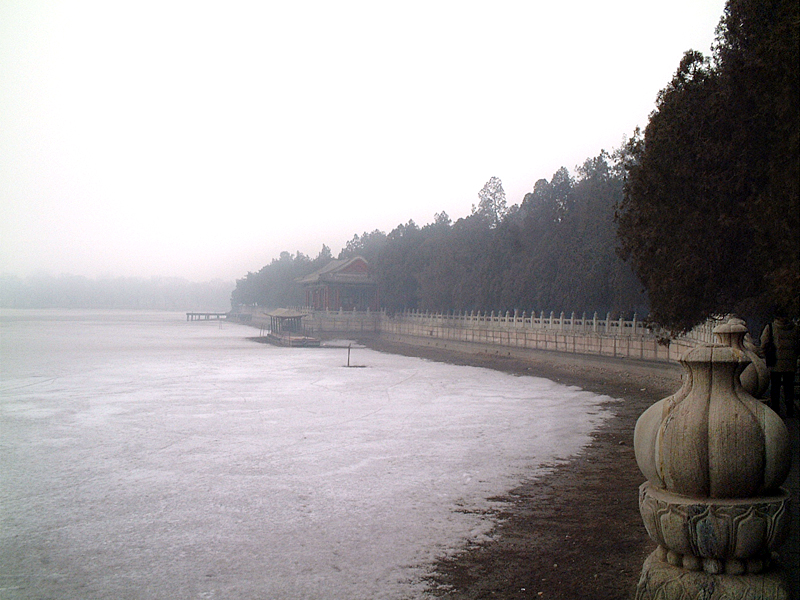
Winter is properly cold, with temperatures often below freezing and dry, biting winds, but the sky is frequently clear and the crowds thin out. The Forbidden City under snow is a famous sight, and the Wall in winter is almost empty and spectacular, though you need a warm coat, hat, gloves and good shoes. Daylight is short, so start the day early. Late November and early December are good for lower prices and quiet sights, with the first hard cold arriving by the end of November. The Chinese New Year period in January or February is the exception: many shops and restaurants close for several days, and travel across the country is at its peak.
Seasonal opening patterns to know
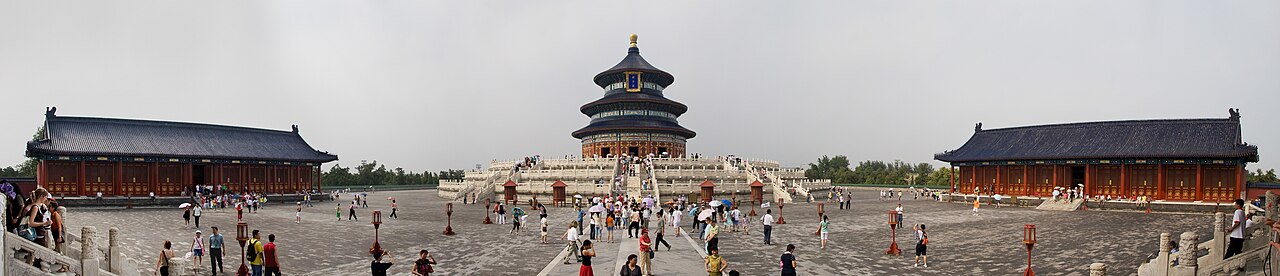
Several major sights run different hours or ticket prices in low and high season, and November to March counts as low season at places such as the Summer Palace, where some separately charged spots close on Mondays. The Forbidden City is closed every Monday except on public holidays, and the main halls of the Temple of Heaven are now closed on Mondays too. Check the current opening days before you finalise your plan, and book real-name tickets as soon as your dates are firm.
Holidays to avoid or plan for
The two big ones are Chinese New Year and the National Day week at the start of October. Labour Day in early May and the summer school holidays are also busy. During the main holidays, hotel prices rise, tickets sell out well in advance and the roads out of the city, including those to the Wall, are congested.
Air quality and clothing
Air pollution has improved a great deal in recent years, but haze can still appear, especially in winter and after still, humid days. Check an air-quality app and keep a spare day for the Great Wall in case of poor visibility. A packing list for the year round: comfortable walking shoes, layers, a hat, sun protection, a small power bank and your passport, which you need for almost every ticket.
Our recommendation
For the best chance of comfort and clear views, choose late September, mid to late October, or the second half of April and May. If crowds and prices matter more than warmth, a winter trip is cheap, atmospheric and surprisingly rewarding. Avoid the holiday weeks unless you have no choice.