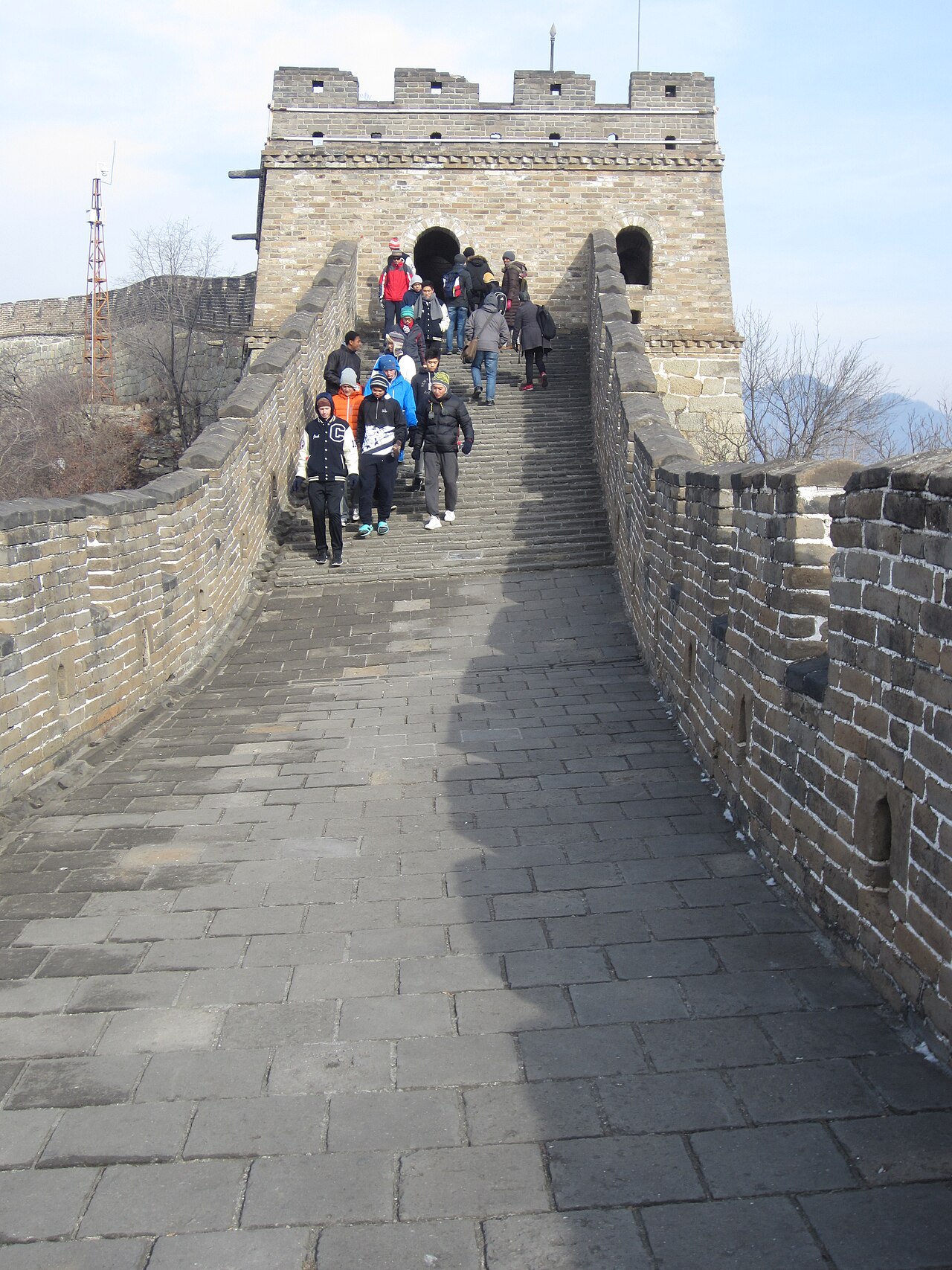
The Great Wall is not one wall but a series of defences built and rebuilt over two thousand years, and the sections near Beijing are mostly Ming dynasty work, raised after the 1400s to guard the northern approaches to the capital. Some of them have been restored with stairs, handrails and cable cars; others are crumbling ridges of stone where the main path is a goat track. The right section depends on your fitness, your group and how much of the day you want to spend in a vehicle. Here is how the main options compare.
Mutianyu: the best all-rounder
About an hour and a half from the city centre, Mutianyu is restored, green and relatively uncrowded for its fame. There is a cable car and a chairlift to the ridge, and a toboggan track for the ride down, which makes it the first choice for families, older visitors and anyone who wants a classic photograph without a punishing climb. The shared MuBus day trip is the value option, and the all-inclusive Tiananmen, Forbidden City and Great Wall tour combines the Wall with the main palace sights if you only have one day.
Badaling: the closest and busiest
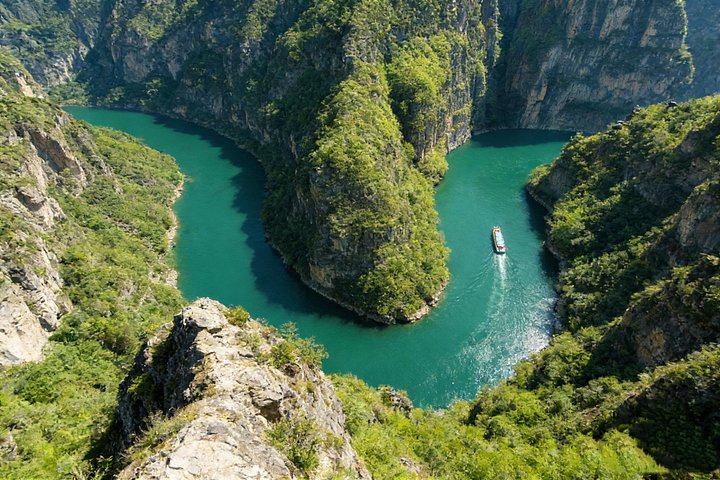
Badaling was the first section opened to visitors and is the closest to the city, with the best transport links and the biggest crowds. It suits those short of time or with limited mobility, but arrive early and walk away from the main entrance to find quieter stretches. The private Badaling tour adds a boat ride in Longqing Gorge, which makes a pleasant second stop.
Huanghuacheng: the lake and the unrestored ramparts
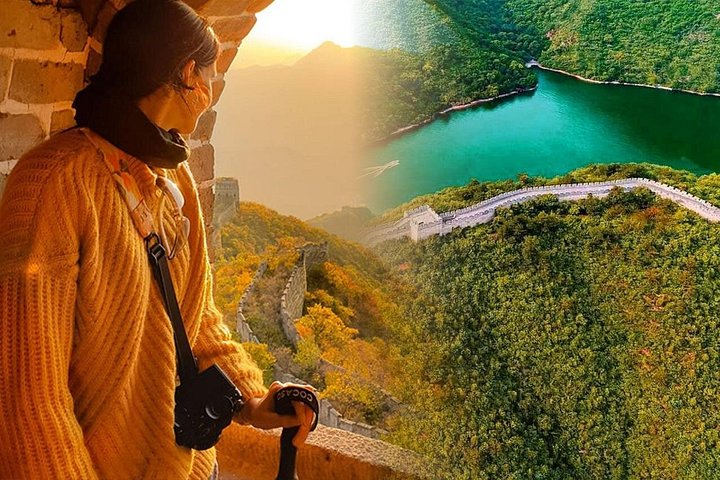
Huanghuacheng, the Water Great Wall, is a section of the Wall that runs down into a reservoir, so towers and ramparts appear to rise from the water. Much of it is unrestored, with worn steps and a rougher feel, and the day includes a boat cruise on the lake. It is quieter than Badaling and Mutianyu, and a good choice in spring and autumn, but take care on crumbling steps.
Jinshanling: the long hike for the keen walker
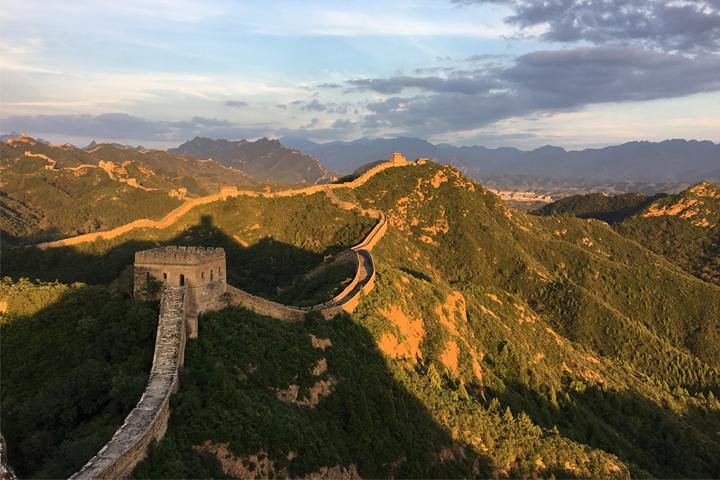
Jinshanling is farther away, three hours or so in a vehicle, and rewards the journey with a long run of towers across the mountains, part restored and part original. The small-group hike covers roughly six kilometres at your own pace, with a full day of eight to nine hours including transport. It is the best choice for photographers and active visitors who want a real walk with fewer people. Wear strong shoes and start with a full water bottle.
Jiankou and Gubeikou: the wild Wall
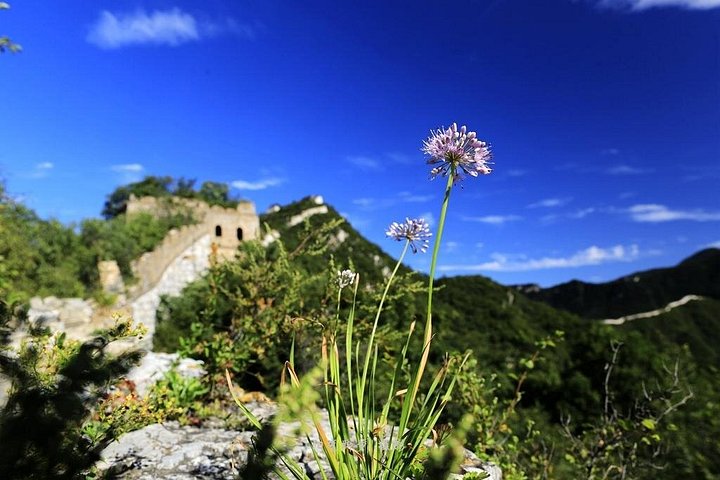
Jiankou is the famous crumbling, unrestored ridge that appears in many dramatic photographs, with steep, uneven sections where a guide is essential. The guided hike finishes at the restored Mutianyu section. Gubeikou, a historic mountain pass farther from the city, offers a long private hike on an unrestored Ming section with few facilities and long driving times. Both are for experienced, confident hikers in dry weather, and sections can close for safety or fire-risk reasons, so keep your dates flexible.
Ming Tombs: a historical add-on
Although not part of the Wall, the Ming Tombs and the Sacred Way of stone guardians lie in the same northern direction and are a good half-day for those who want imperial history alongside the Wall. The tombs pair naturally with Badaling, on the same road out of the city.
Choosing quickly
First visit with family: Mutianyu. One day only and palace sights wanted: the combined day tour. Short of time and close to the city: Badaling. Scenery with water: Huanghuacheng. Serious walking: Jinshanling. Adventure and experience: Jiankou, with a guide.
Getting there
Tours are far easier than public transport for most sections, because transfers from the city are long and the last stretch is hard to organise. A tour also handles the real-name ticketing, for which you need your passport. Choose a shared bus for value and a private driver for flexibility, an earlier start and a stop at a second sight.
When to go
Spring and autumn offer the best combination of comfortable temperatures and clear air. Summer is hot, humid and busy, with sudden thunderstorms. Winter is cold and windy but often very clear, with snow on the ridges, and the Wall is quiet. Go early on weekdays in any season, and avoid the Chinese national holidays, when all sections are packed.
What to wear and bring
Shoes with a good grip are essential, because the steps are steep and worn. Take layers, a hat, sun protection, water and snacks, as facilities beyond the main sections are limited. Poles help on the wilder sections. Allow more time than you expect: even on a restored section, the steps are slow, and the views encourage stopping.