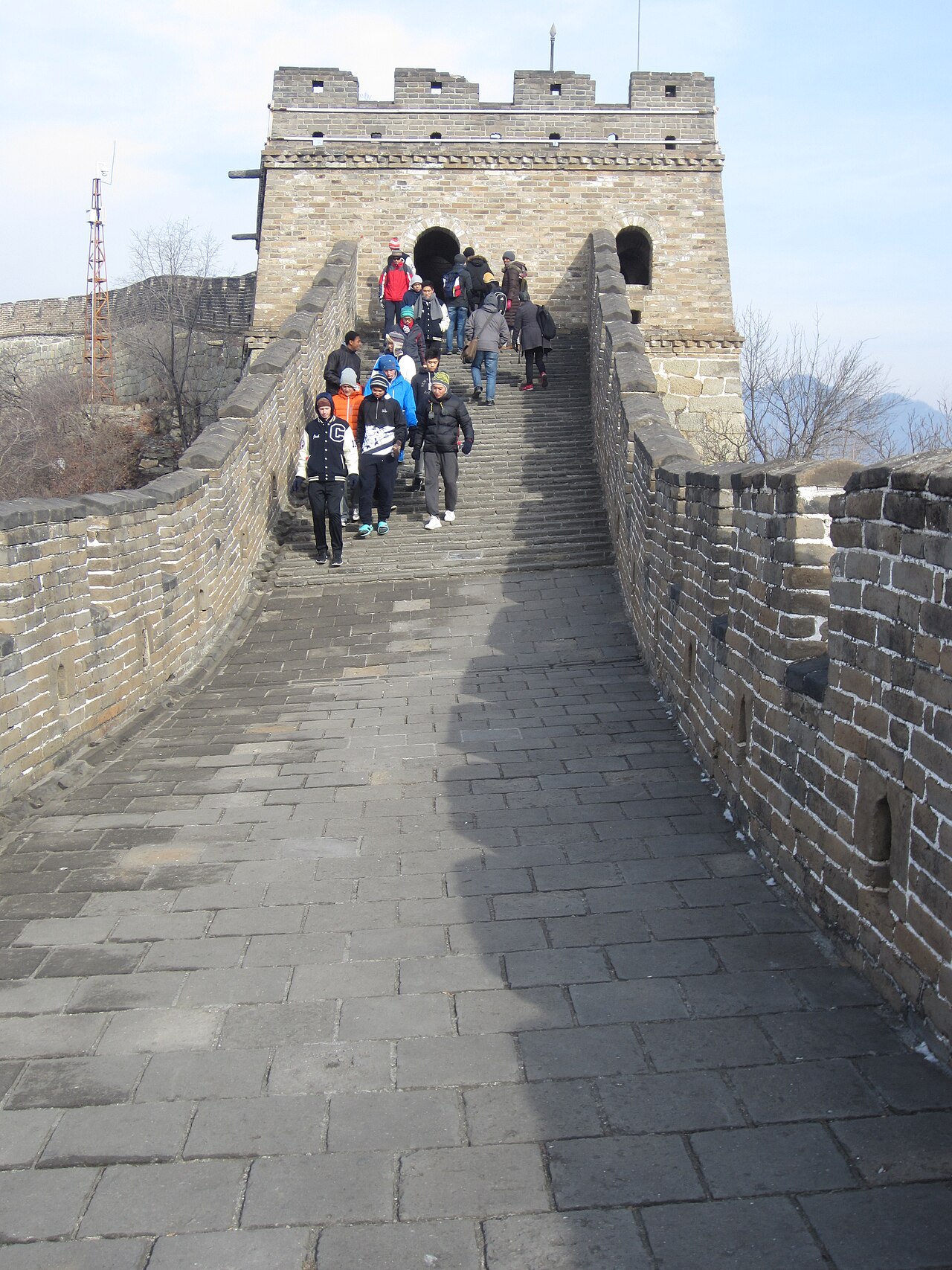
The Great Wall is the obvious reason to leave Beijing for a day, and our separate guide covers its sections in detail. But the region has other rewards that are less well known to foreign visitors, from imperial retreats and Buddhist cave art to caves, bridges and the sites of early human history. If you have an extra day or two, this guide explains the best options, how far they are and what each one is like.
Chengde: the emperors' summer retreat
About 250 kilometres to the northeast, Chengde is where Qing emperors escaped the summer heat of Beijing. The Mountain Resort is a vast garden of lakes, meadows and forested hills, and around it stand the Outer Temples, built in Tibetan and Mongol styles to impress visiting leaders. The Little Potala, modelled on the Potala Palace in Lhasa, is the standout, and the Puning Temple holds a huge wooden Guanyin. A one-day tour covers the main sights, but the drive is long, so consider two days if you want to explore at an easy pace. Summer is pleasant for its cooler air, while autumn gives the best colour.
Datong: Buddhist cave art by bullet train
To the west, Datong in Shanxi province was once a capital of the Northern Wei dynasty, and the Yungang Grottoes hold some of the earliest and greatest Buddhist rock carvings in China. The colossal seated Buddhas of the early caves are breathtaking, and the later caves show finer detail. Nearby, the Hanging Temple clings to a cliff on wooden stilts. With the high-speed train, a long day trip is possible, and guided tours handle the transfers. Bring your passport for the train, dress in layers and be ready for a full day.
Zhoukoudian and the Marco Polo Bridge
To the southwest, the Peking Man site at Zhoukoudian is a UNESCO World Heritage cave complex where the remains of an early human ancestor were found. A short drive away, the Stone Flower Cave offers cool limestone chambers, and the Marco Polo Bridge is a long stone span lined with carved lions and associated with the events of 1937. This day suits history and science lovers and is rarely crowded.
The Ming Tombs and the Sacred Way
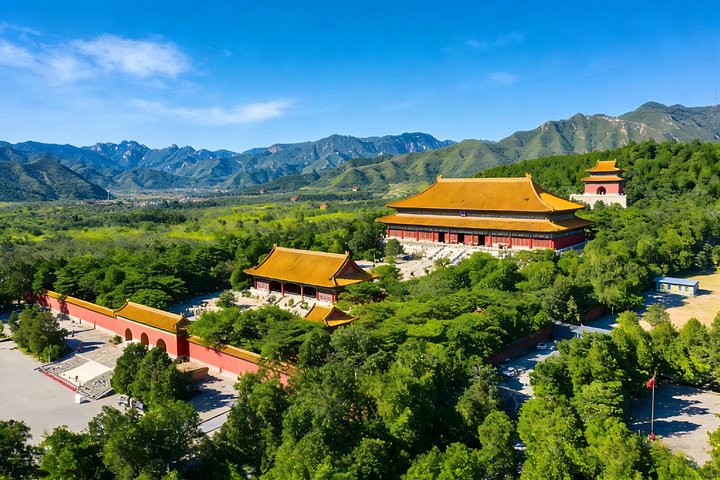
Closer to the city, the Ming Tombs in the northwest are the resting places of emperors, approached by a Sacred Way lined with stone animals and officials. The setting among the hills reflects the Ming idea of auspicious landscape. It is usually combined with a Great Wall section, which makes an efficient day.
Simatai, Gubei and the wilder Wall
If you want a Wall experience with more atmosphere, the Simatai section and Gubei Water Town offer steep ridges, towers and a lantern-lit canal village. It is a long day, but it pairs scenery with an easy evening meal.
Choosing between them
For a second day trip after the Wall, Chengde is the best choice for variety, Datong is the best for art and the bullet train experience, and Zhoukoudian is the best for a quieter, shorter journey. Consider your energy: a Chengde or Datong day can run twelve hours or more, and you will want a restful day afterwards. If you are short on time, pick one rather than trying to squeeze in several.
Practical tips
Book dated tours ahead, especially at weekends and in spring and autumn. Bring your passport for any train travel. Dress in layers because conditions outside the city can be cooler and windier, and carry snacks and water, since food options at sites can be limited. Wear comfortable, grippy shoes for steps, caves and uneven paths. Check the forecast, because rain and haze affect views and some routes. National holidays make everything busier, so avoid them where possible. Pack a small power bank, since photos and maps drain a phone quickly on a long day, and keep some cash for small purchases at rural sites.
Combining trips
A simple plan for a week in Beijing is two days in the city, one Great Wall day, one more day in the city for parks and food, and one day trip beyond the Wall. Keep the final day free for rest or for a favourite repeat. With this approach you see imperial Beijing, the Wall and one other piece of northern China without feeling rushed, and you go home with a much wider sense of the region than most visitors manage.