The National Museum of Beirut is the country's principal archaeological museum, housing thousands of objects that trace human settlement on this coast from prehistory through the Phoenician, Greek, Roman, Byzantine and Islamic periods. The building itself, a handsome Egyptian-revival structure opened in the early 1940s, stands near the old Green Line crossing and tells a story of its own: it was badly damaged during the civil war, its collection protected by sandbags and concrete, and it reopened to the public in the late 1990s after major restoration. Today it is one of the most rewarding museums in the Middle East, with clear displays and a manageable size that can be seen in a couple of hours. The highlights are many. The sarcophagus of King Ahiram of Byblos, carved with one of the earliest known Phoenician inscriptions, is a landmark in the history of writing. A series of anthropoid marble sarcophagi from Sidon show Egyptian influence in a Phoenician style. Roman mosaics and statues fill the ground floor, while the lower level houses funerary treasures, including mummies, displayed in dim atmospheric galleries that were opened to the public after a long project of conservation.
Walking through the museum is a good way to place the other sites in this guide in context. Objects from Byblos, Baalbek, Tyre and Sidon are all represented, so a visit before or after a day trip helps tie the ruins to their finds. Labels are in English, French and Arabic, and the layout is chronological, which makes it easy to follow. Look for the delicate gold jewellery, the carved ivories and the huge sarcophagi in the main hall, and do not skip the basement, which has an eerie quiet atmosphere.
The tour linked from this page, a half-day Beirut downtown, Corniche and National Museum tour, is the simplest way to combine the museum with the surrounding city. A guide shows you the key objects, explains the context, and then continues to the downtown area and sea front. If you prefer to go independently, the museum is a short taxi ride from downtown, and a self-guided visit works well with the free audio or printed guide if available.
Museum opening days and hours can change, and it normally closes one day a week, so verify before you set out. Entrance fees are low by international standards. Photography rules may restrict flash and some galleries, and bags may be checked at the entrance. The building is largely accessible, but some areas have steps.
A visit takes roughly ninety minutes to two hours, longer if you are a history enthusiast. As with other cultural sites, it is a good rainy-day or midday-heat option, with air conditioning and quiet halls. For many visitors the museum is the intellectual heart of a Lebanon trip, a place to understand how a small country shaped the ancient Mediterranean.
Allow time to read the labels in the lower level, where tomb contents and burial customs are explained in detail. If you are visiting Byblos or Sidon afterwards, make a note of the objects that came from there, and you will find the ruins easier to picture. Museum shops sell books and replicas that make thoughtful souvenirs.
What to expect
The experience
A guided city tour that includes the museum's key galleries, Beirut downtown and a stretch of the Corniche.
Best time
Midday or rainy days, since it is indoors and air conditioned.
How long
Ninety minutes to two hours in the museum.
Tips
Visit before heading to Byblos or Baalbek to put the ruins in context, and check the weekly closing day.
Quick picks
- Best for
- History lovers and anyone wanting context for Lebanon's ruins.
- Families
- Older children will enjoy the mummies and sarcophagi.
- Couples
- A calm, cultured outing in the middle of the day.
- Pair with
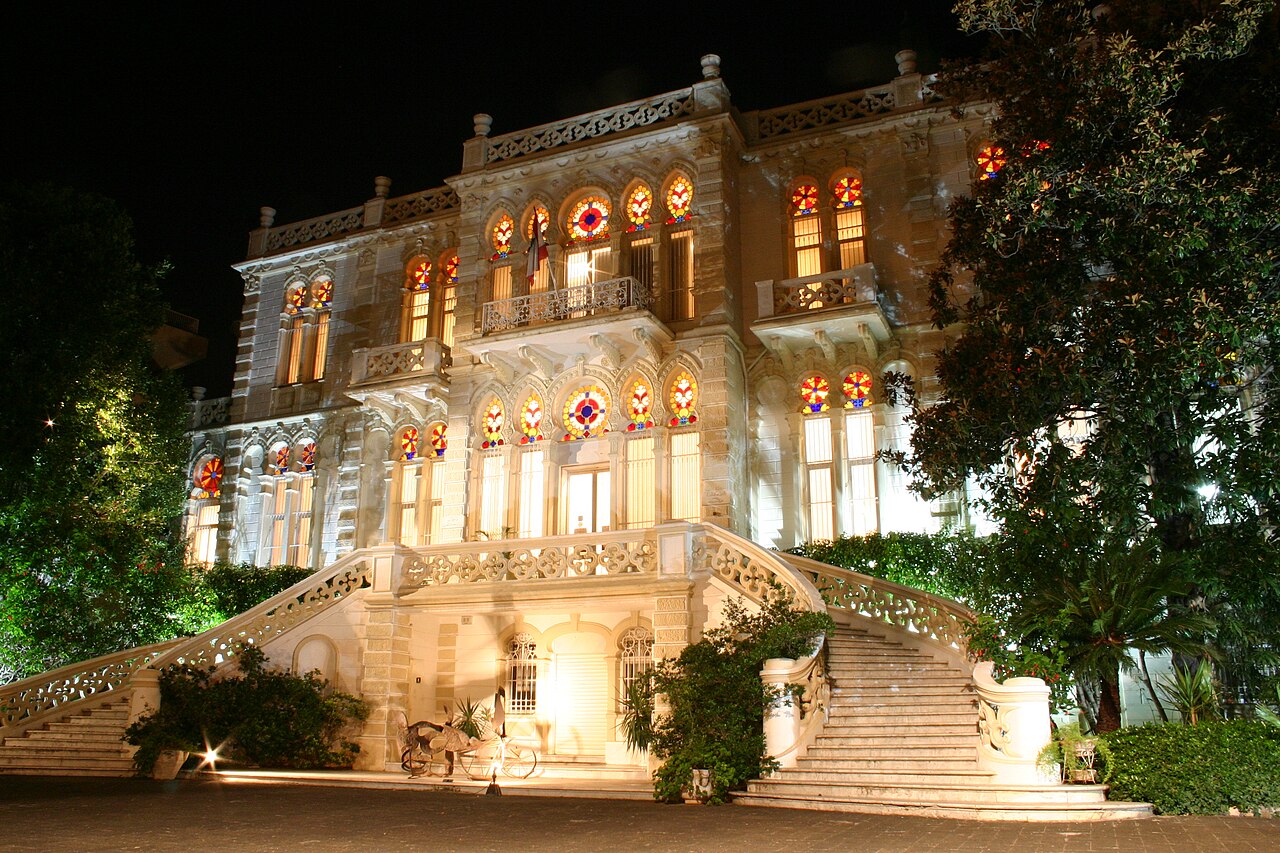
- Downtown walking tour and the Sursock Museum.
- Time needed
- Two hours.
Good questions
What are the must-see objects?+
The Ahiram sarcophagus from Byblos, the Sidon marble sarcophagi, Roman mosaics and the underground funerary collection.
Is the museum open every day?+
It normally closes one day a week. Check the current opening days before you go.
Can I take photos?+
Generally yes without flash, though some rules vary by gallery.
How long do I need?+
About two hours.
Is it accessible?+
Mostly, though some galleries have steps.