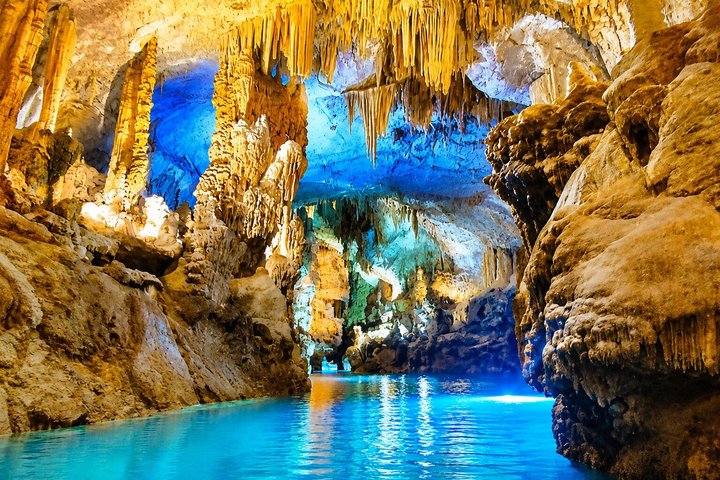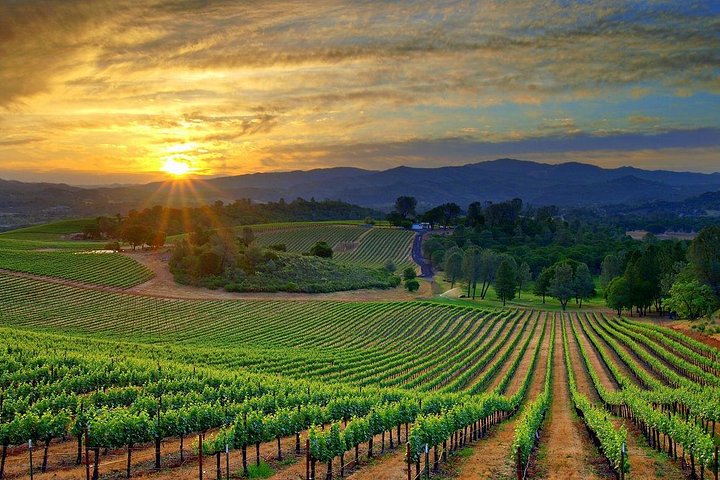
Lebanese wine has a surprising pedigree. Vines have been cultivated on this coast and in the Bekaa Valley since Phoenician times, and today the country has dozens of wineries making bold reds from varieties such as Cinsault, Carignan and Cabernet, along with whites, rosés and the aniseed spirit arak. The Bekaa Valley, a high plain of around a thousand metres between two mountain ranges, supplies most of the grapes thanks to warm days, cool nights and abundant sunshine. Ksara, founded by Jesuit priests in the nineteenth century, is the oldest and most visited winery. Its chief draw is a network of underground tunnels originally dug in Roman times and later used for ageing, which stay naturally cool and make a striking setting for a tasting. The tour linked from this page is a wine tasting day from Beirut with the entrance fee included, so you do not need to arrange anything yourself. Typical visits include a short cellar tour, an explanation of how Lebanese grapes and climate shape the wines, and a guided tasting of several bottles, often with bread, cheese or mezze to match. Some itineraries add a second estate or a stop at Anjar or Zahle for lunch.
For anyone new to Lebanese wine, the experience is often a revelation. The best known producer abroad is Chateau Musar, which makes a distinctive long-aged red, but a whole new generation of boutique estates has appeared in the Bekaa, Batroun and the mountains above Beirut, and guides will often pour a mix of established labels and lesser-known discoveries.
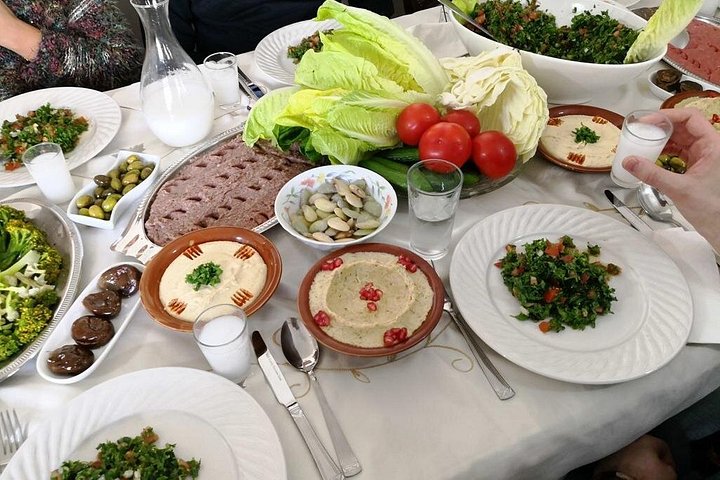
Expect rich, spicy reds, crisp whites from high-altitude vineyards and sweet or dry rosés that suit the climate. Arak, the national spirit, is traditionally diluted with water and served with a table of mezze, and many tastings include a small glass.
Timing matters. The harvest runs from late summer into early autumn, when vineyards are busy and the valley smells of crushed grapes, and some wineries offer special visits then. Spring brings green vines and wildflowers, while winter can be cold and misty. A tasting day usually runs from morning until mid-afternoon, with a drive of around an hour and a half each way from Beirut to the central Bekaa. Because tastings involve alcohol and a long road, the driver does the work and you can relax.
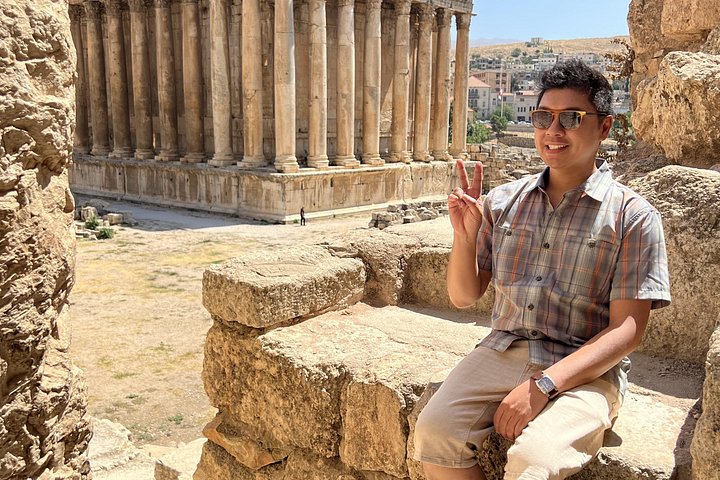
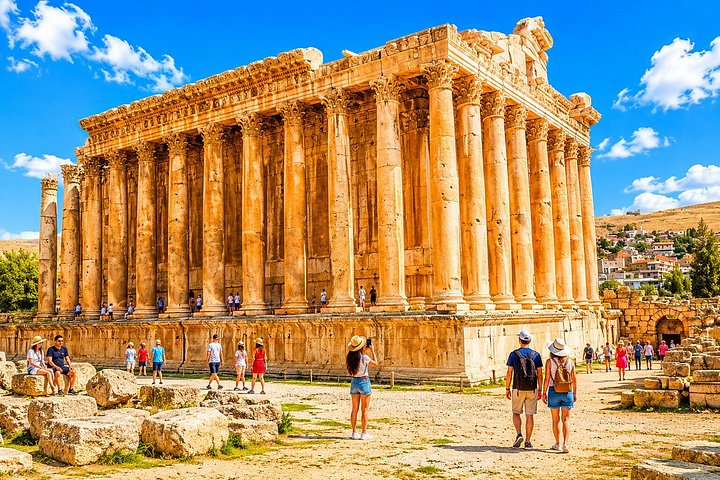
If you are combining the tasting with Baalbek, think about order: temples in the morning when it is cooler, wine and lunch afterwards. Travellers who do not drink can still enjoy the cellars, the scenery and the grape juice, but the day is built around the glass. As with all Bekaa excursions, check current travel advice and confirm with the operator that the route is operating. Bring a little cash for bottles to take home, since many estates sell wines at prices lower than abroad, and check your airline allowance before you buy.
If you buy bottles, ask the staff for advice on which vintages are ready to drink and which are better kept. Several estates also produce olive oil, jams and arak that travel well, so leave a little room in your luggage. A designated driver is built into the tour, which makes a long tasting day relaxed and responsible.
What to expect
The experience
A guided wine tour from Beirut with winery entry included, a cellar visit and a tasting of several Lebanese bottles.
Best time
Late summer and early autumn for harvest atmosphere, spring for green vines.
How long
Several hours on site, with a drive of about ninety minutes each way.
Tips
Eat a good breakfast, pace the tasting, and carry cash if you want to buy bottles to take home.
Quick picks
- Best for
- Wine lovers and anyone curious about Lebanon's food and drink culture.
- Families
- Possible with older children, but the focus is adult tasting.
- Couples
- A relaxed, romantic day with scenery, cellars and long lunches.
- Pair with
- Baalbek, Anjar and Zahle.
- Time needed
- Half a day to a full day.
Good questions
Does Lebanon really make good wine?+
Yes. The Bekaa Valley's altitude and sunshine suit grapes well, and Lebanese reds and whites have won international praise.
What is Ksara famous for?+
Its underground cellars, originally dug in Roman times, which are cool all year and form the centre of the visit.
Is arak included?+
Many tastings offer a sip of arak, the traditional aniseed spirit, but check with the operator.
Is a wine tour suitable for non-drinkers?+
The cellars and scenery are enjoyable, but the day is built around tasting.
When is the harvest?+
Usually late summer into early autumn, depending on the year and the vineyard.