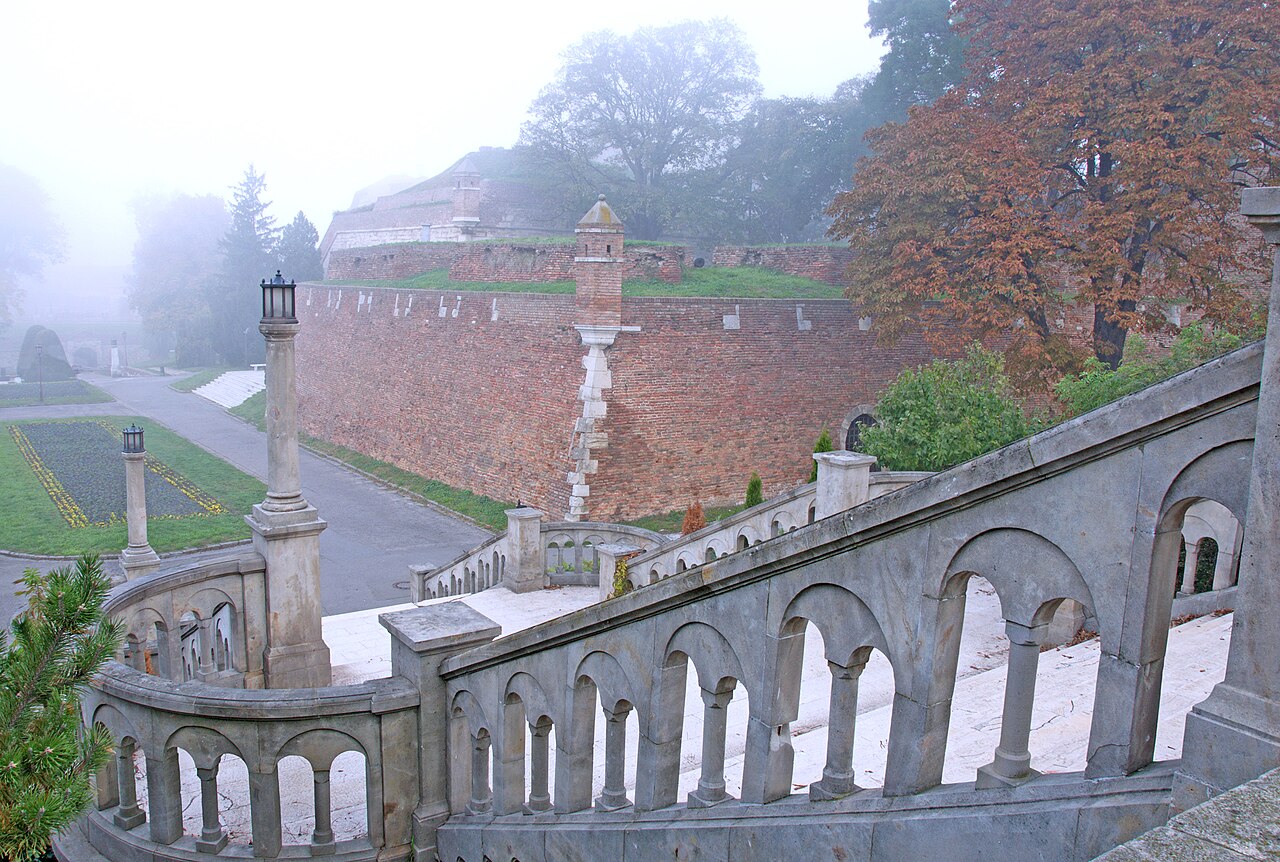
Belgrade rewards curiosity more than it rewards a checklist. It is a big, sprawling city, but almost everything a first-timer wants to see sits in a compact strip of old town running from the Belgrade Fortress on its ridge above the rivers, along Knez Mihailova to Republic Square and Terazije, and south up the hill to Vračar and the Temple of Saint Sava. Across the Sava lies New Belgrade, the socialist-era city of wide boulevards and concrete blocks, and beyond it the old Habsburg town of Zemun. To the north, an hour or so away, are Novi Sad, Petrovaradin Fortress and the monasteries and vineyards of Fruška Gora.
How many days
Three days is the sweet spot for a first visit: two in the city and one for the Novi Sad day trip. With four or five, add the private Fruška Gora monasteries tour or simply slow down, with long lunches, an afternoon in Zemun and a night out on the river. Two days works if you skip the day trip and focus on the old town.
What to book ahead
Most of Belgrade’s headline sights are free and need no booking: the Belgrade Fortress and Kalemegdan Park, the Temple of Saint Sava and Zemun. The things worth reserving are the tours. The Novi Sad and Sremski Karlovci day trip is the most popular in the city and needs at least three guests to run, so book it a few days ahead. The underground tour, the Red Belgrade communist tour and the food tour run in small groups and fill up in busy months. All offer free cancellation up to the usual cutoff.
The rules that catch people out
The Nikola Tesla Museum is visited only on guided tours that start every hour, and it takes payment in cash in Serbian dinars, not cards, so visit an ATM first. The Museum of Yugoslavia, home of Tito’s tomb, is usually closed on Mondays. Churches and monasteries expect covered shoulders and knees. And Serbia uses the dinar, not the euro; cards work widely in hotels and restaurants, but carry some cash for markets, small cafes and museums.
Day one: the old town and the fortress
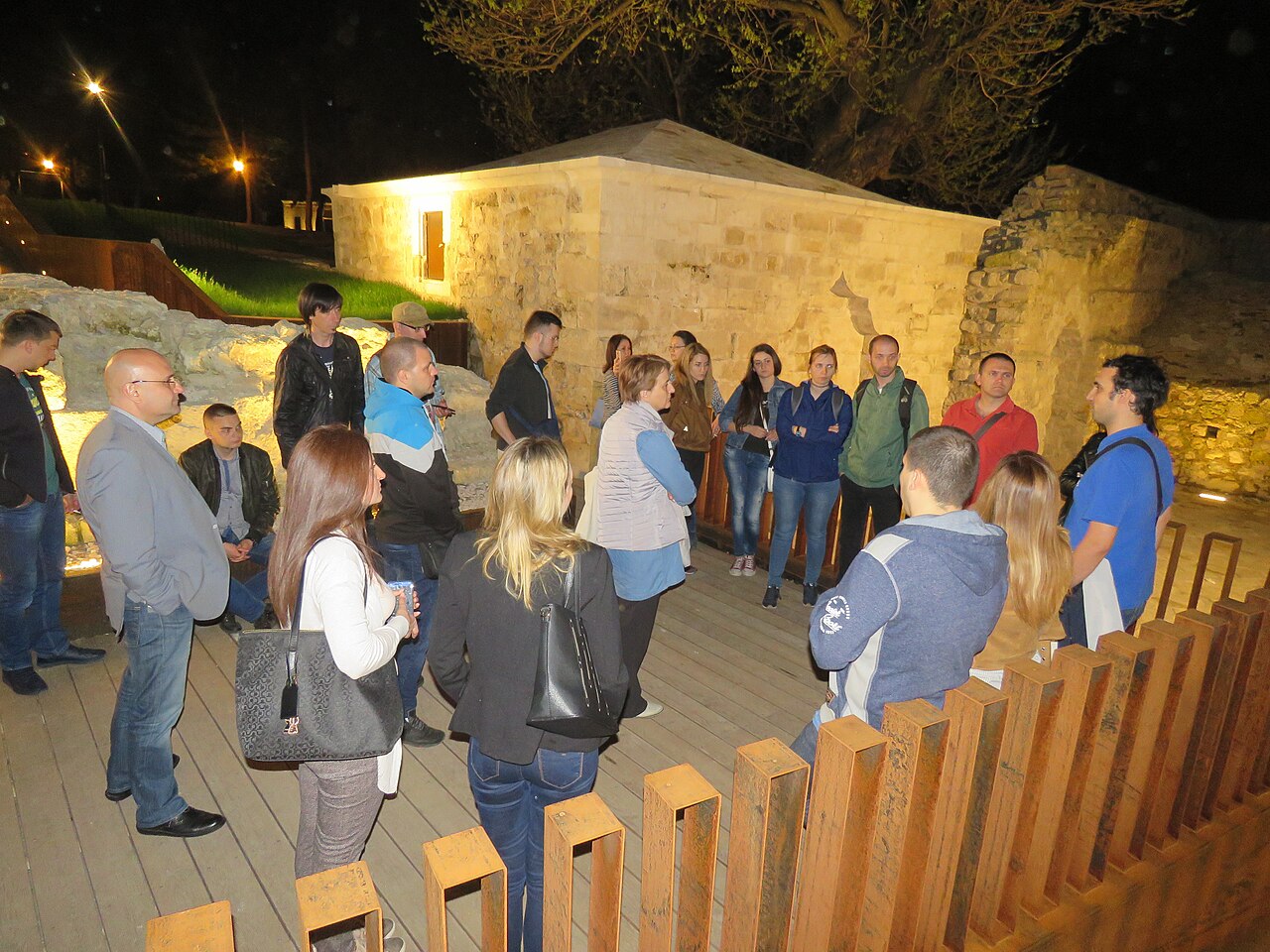
Join the morning small-group walking tour from the parliament along Knez Mihailova to the fortress. After lunch in Dorćol, take the underground tour beneath the walls, then return to the Victor monument for sunset over the confluence. Spend the evening in Skadarlija, the cobbled street of old taverns and live music.
Day two: Vračar, Tesla and Tito
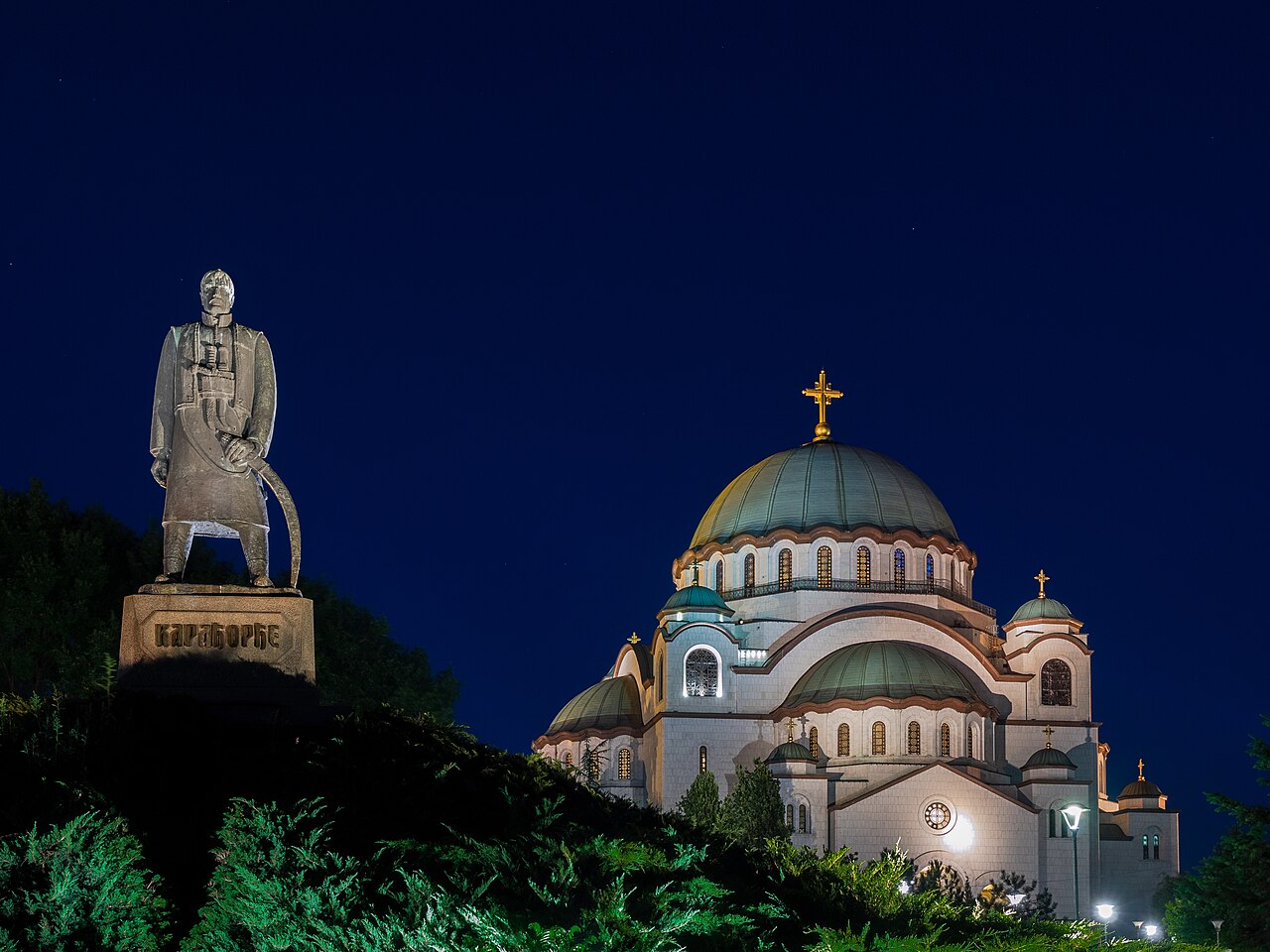
Start with the food tour, then walk off lunch on the way to the Nikola Tesla Museum. Visit the Temple of Saint Sava in the late afternoon light, or swap in the four-hour Red Belgrade tour and the House of Flowers if Yugoslav history is your thing. End with dinner and drinks in Vračar.
Day three: Novi Sad
Take the full-day tour to Krušedol Monastery, Sremski Karlovci, Petrovaradin Fortress and Novi Sad, with a bermet tasting on the way. Lunch is not included, so plan to eat in Novi Sad.
Extra time
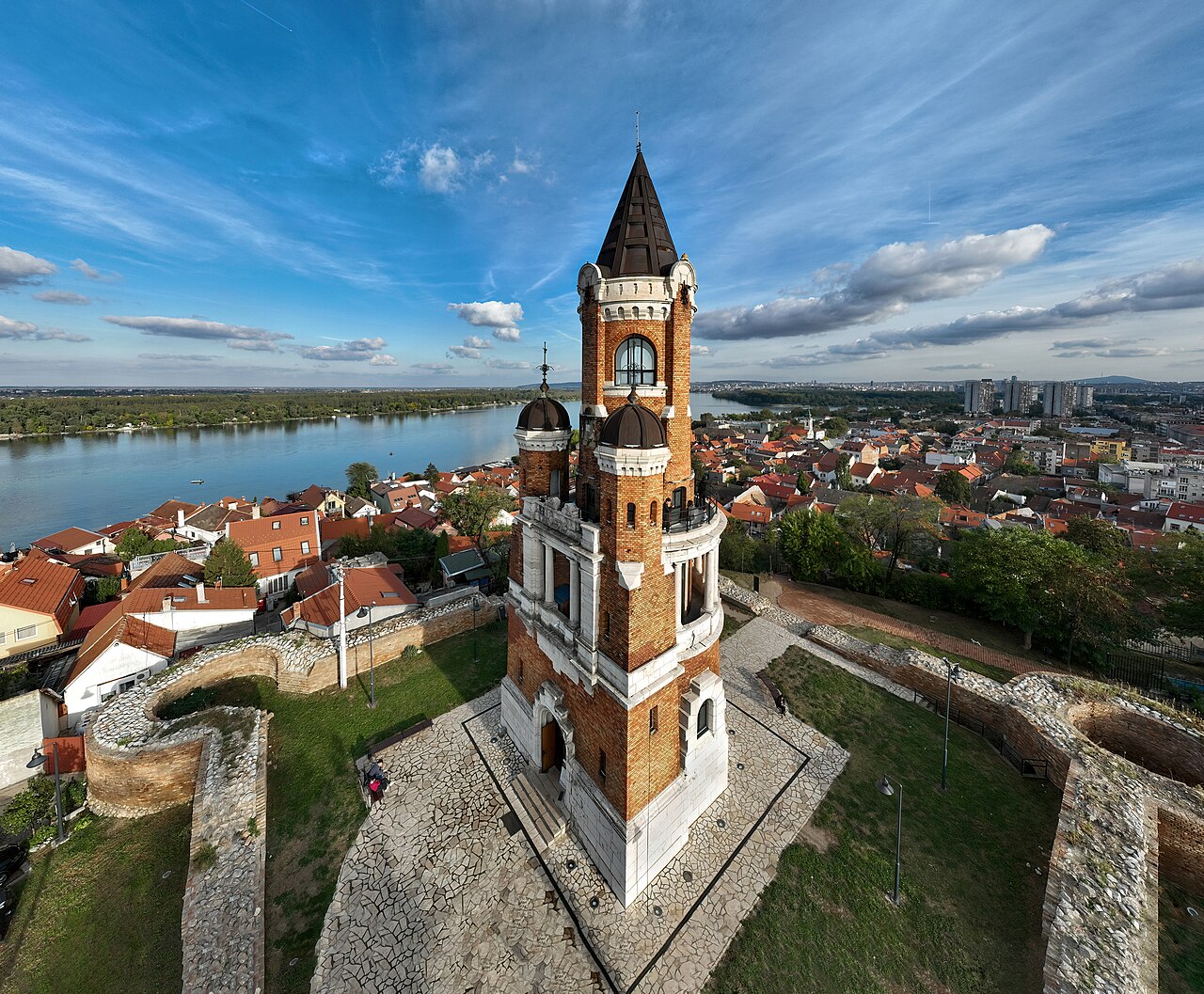
Walk or cycle along the Danube to Zemun for the Gardoš Tower and a fish dinner on the quay, or take the private Fruška Gora tour for a quieter day among the monasteries.
Getting around
The old town is best on foot, though Belgrade is hilly, so bring comfortable shoes. Buses, trams and trolleybuses cover the city, and taxis and ride-hailing apps are inexpensive; use an app or ask your hotel to call a car rather than hailing on the street. From Nikola Tesla Airport, the drive to the centre takes about 25 minutes. For Novi Sad and Fruška Gora, a guided tour with pickup is far easier than public transport.
When to go
Spring and early autumn bring warm days and outdoor cafe life. Summer is hot, with river rafts and nightlife in full swing. Winter is cold and sometimes grey, but museums, underground sites and cosy taverns come into their own, and crowds thin out.
Practical tips
Learn a few words of Serbian and a little Cyrillic; most young people speak English, but signs often use both alphabets. Portions are large, so share. Coffee culture is serious and unhurried. And accept the hospitality: a glass of rakija offered is a welcome, not a sales pitch.