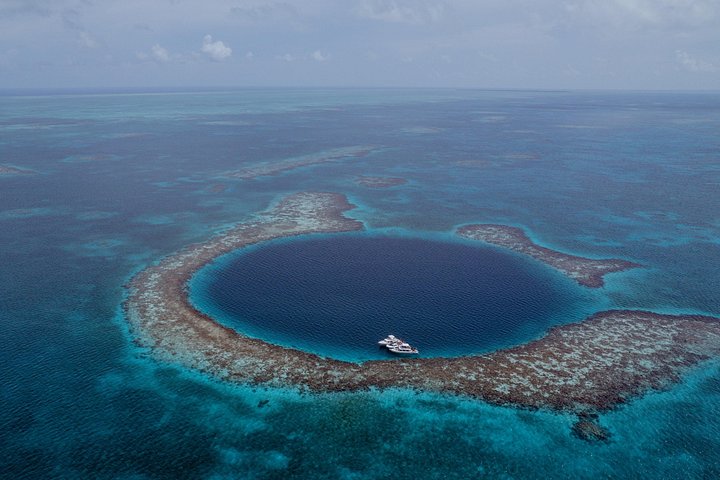
Belize has two main seasons rather than four. The dry season runs from roughly February to May and is the most comfortable, with calmer seas, clearer water and fewer showers. The wet season runs from about June to November, with warm, humid weather, regular rain and the risk of tropical storms. The shoulder months of December and January are popular too. The right choice depends on what you want to do and how flexible you can be.
February to May: the sweet spot
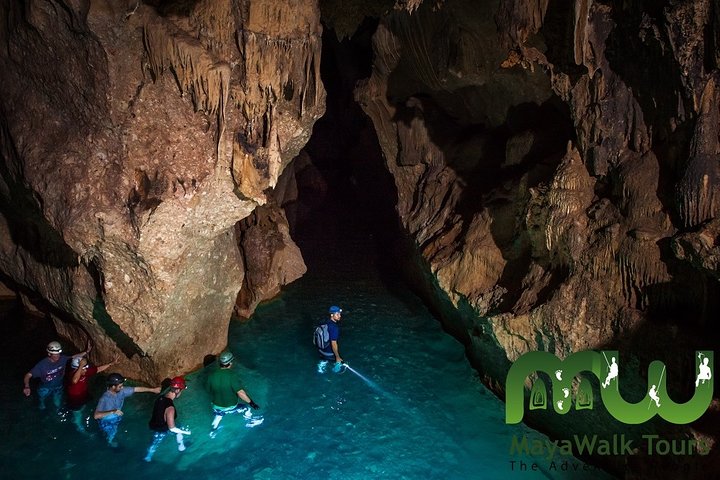
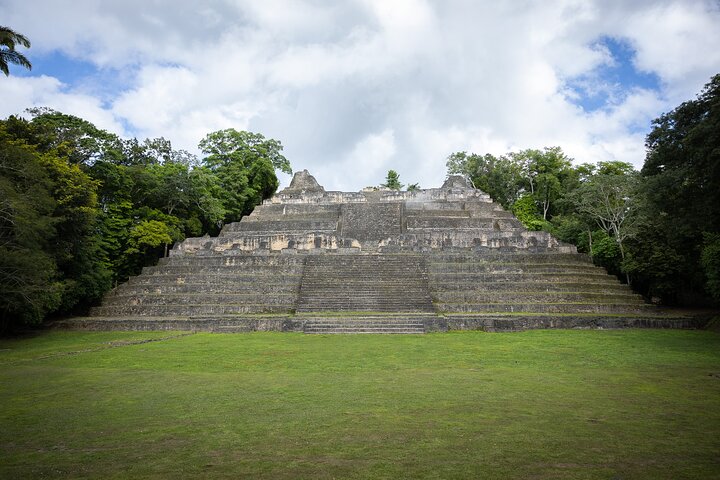
Seas tend to be calmer, which helps for the Great Blue Hole crossing and for snorkel boats. Rivers are lower and trails drier, which is good for the jungle and for sites like Caracol and Mountain Pine Ridge. The trade-off is price and crowds: this is the busiest period, hotels cost more and the best tours fill up, so book the Great Blue Hole, the ATM cave and your rooms early. Heat builds toward April and May, so start days early and plan shade or water breaks.
June to November: green and quiet
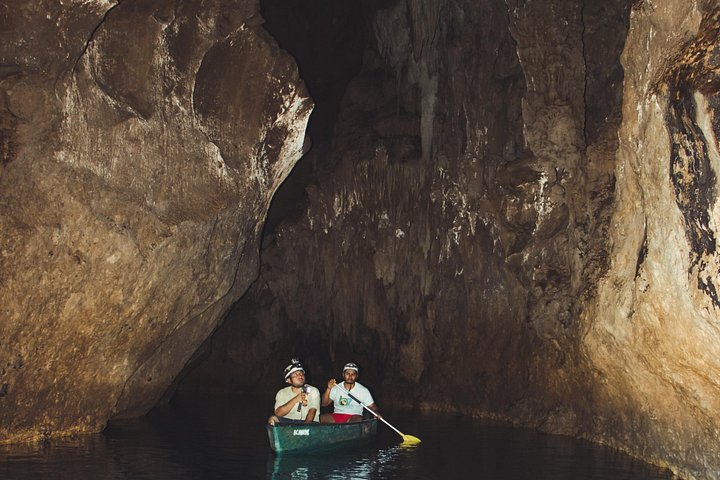
Showers are common, usually in bursts rather than all day, and the forest is lush. Visitor numbers and rates fall, which makes it a good time for flexible travellers. The drawbacks are real: rain can cancel boat trips, raise river levels and sometimes close cave access, including the ATM cave and Barton Creek, and mosquitoes are worse. The reef still rewards snorkellers on calm days, and the interior is at its greenest.
Hurricane season
The Atlantic hurricane season runs from 1 June to 30 November. Belize is not hit every year, but a storm can disrupt travel when it does, and the later months of the season carry more risk. If you travel in this period, buy flexible or refundable bookings, consider travel insurance that covers weather, follow forecasts, and keep a buffer day before an international flight. November is the tail of the season, so check conditions before you commit.
December and January: peak holiday
Weather is generally pleasant and the sea is lively, but the holidays bring the highest prices and the heaviest demand. Book early and expect crowded tours around Christmas and New Year.
By activity
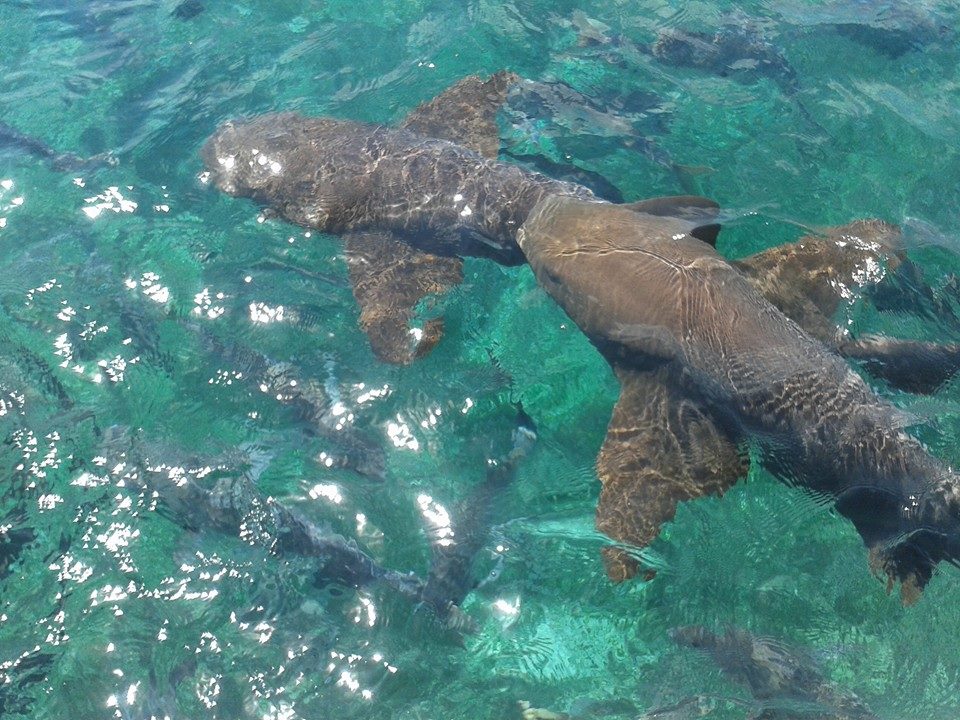
For snorkelling and diving, the dry months give the best conditions, though Hol Chan and Shark Ray Alley are trips for any season. For the Great Blue Hole, calm weather matters more than the month, so keep a spare day. For caves and Maya sites, drier conditions are easier, but the wet season is quieter and greener. For wildlife, early mornings are best in every season, and the wet season brings active birds and lush forest.
Crowds, prices and booking
Rates and crowds follow the weather. Dry-season weeks fill early and cost most, while the wet months bring promotions and spare tour capacity. Whenever you go, reserve cave tours and Great Blue Hole days ahead, and check cancellation terms, since a trip can be cancelled for conditions even when the forecast looks calm. Many operators reschedule rather than refund, so ask what happens if the weather turns.
Sea conditions and visibility
Wind and swell matter as much as rain for boat days. Calm mornings are typically better than afternoons for crossings and for snorkelling visibility, so schedule water trips early in the day. Winter cold fronts can bring a few windy, cooler days with choppy water, which is another reason to keep a spare day in your plan.
What to pack
In all seasons bring sun protection, a rash guard, insect repellent, a light rain jacket and quick-drying clothes. In the wet months add waterproof bags for phones and cameras. In the dry months add a hat and more water.
How to choose
If you want the most reliable weather and can pay for it, go from February to May. If you want value and a quieter trip and can be flexible, consider June to early autumn, accepting that some days will be lost to rain. If you travel in the later months, plan with a flexible mindset and enjoy the smaller crowds.