Two of the best places to understand medieval Bergen stand within a few minutes' walk of each other at the harbour mouth. King Håkon's Hall, or Håkonshallen, is the great ceremonial hall of the Norwegian kings, built in the middle of the thirteenth century for King Håkon Håkonsson, when Bergen was the country's most important town and a royal capital. It is a long, high-gabled stone hall in the Gothic style, and it is among the grandest secular buildings of medieval Norway. It was used for feasts and state occasions, and it is closely linked with the 1261 wedding of the king's son Magnus to a Danish princess. Bryggens Museum, a short walk away, tells the story of the town itself through the finds from the archaeological excavations that followed the great fire of 1955. Among them are everyday tools, shoes, pottery and hundreds of runic inscriptions on wood and bone, in which Bergen's merchants and craftsmen wrote shopping lists, messages and rude jokes. The Viking Age and the Middle Ages feel much closer after an hour with those objects.
A small-group indoor tour covering both sites is a practical way to see them, because the buildings are not always straightforward to enter on your own and a guide supplies the context that turns stone and timber into a story. Check the inclusions and the meeting point on the tour page, and note that the tour is described as indoors, so it is a good choice when the weather is wet. Hall visits are sometimes restricted when the building is hosting an event, and the opening pattern of both sites varies by season, so look at the current details when you book rather than relying on an old guidebook.
Håkonshallen has a troubled modern history. During the Second World War the fortress was a German headquarters, and on 20 April 1944 an accidental explosion in the harbour badly damaged the oldest buildings, including the hall. Norwegian restoration work lasted until the mid-1960s, and the hall you see is the result of that painstaking rebuilding. It has no universal access, so travellers with limited mobility should ask the operator about alternatives. Today the hall is still used for concerts, receptions and other events, which says something about how well it was restored.
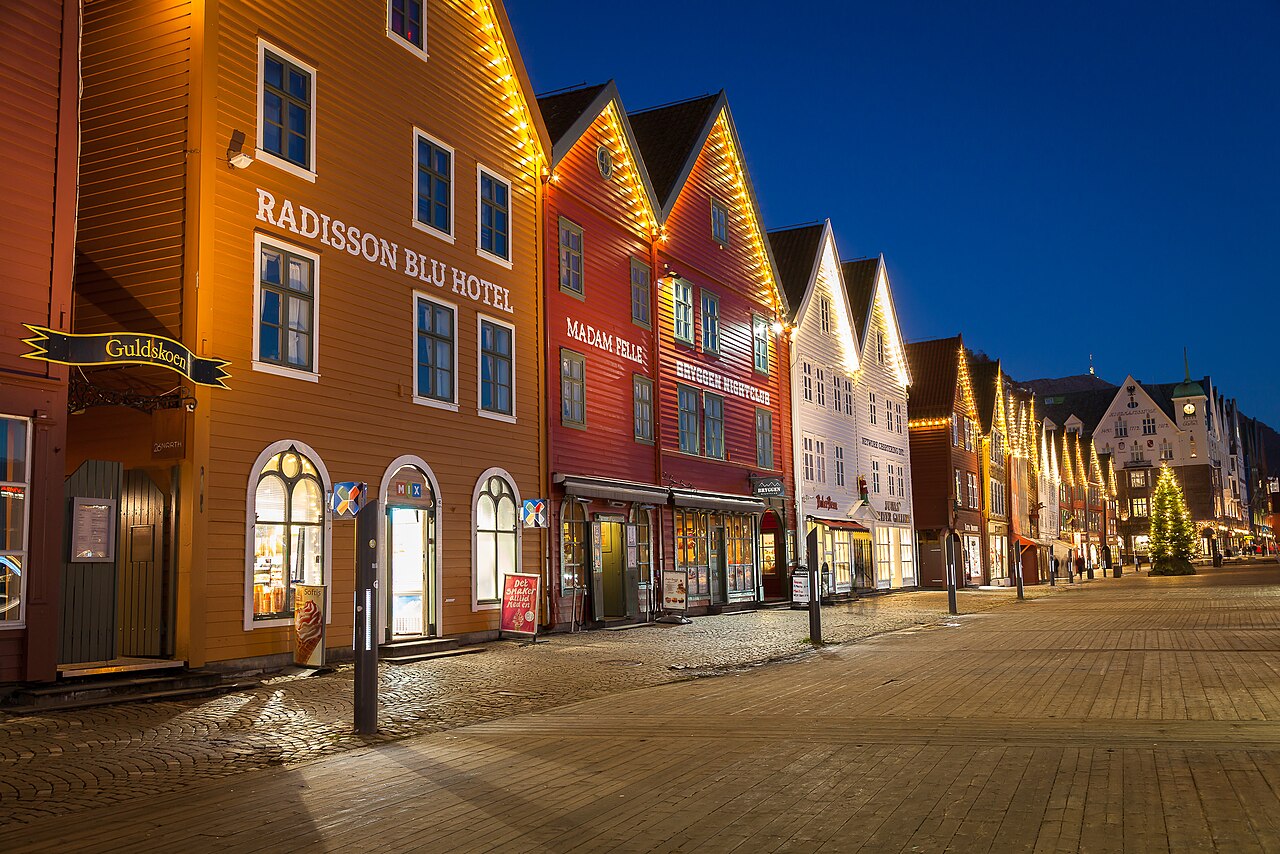
At Bryggens Museum the best way to approach the collection is to look for the small things: the runic sticks, the combs and the wooden toys, because they are the closest you will get to the voices of medieval Bergen. The finds from the excavations in the years after 1955 were what allowed historians to understand the layout of the early town and the life of the Hanseatic trading quarter. Combine the visit with the Hanseatic Museum and a walk along Bryggen and you will have covered the whole story from the Viking Age through the German merchants to the modern UNESCO site, in a morning, mostly indoors, within a few hundred metres of each other.
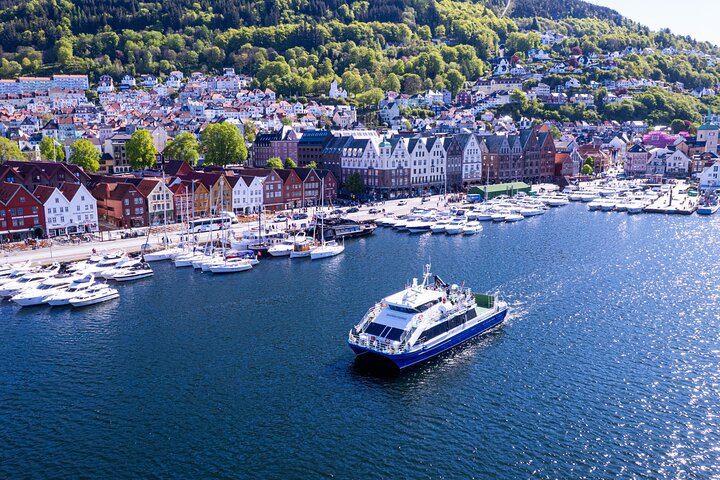
Remember that both sites sit on the edge of the old harbour, so the walk between them is short but can be windy and wet. Wear a waterproof jacket, and if you have time afterwards, the fortress grounds next door are free to wander and have good views back across the water.
What to expect
The experience
A guided small-group tour of the royal feast hall at the fortress and the museum of Bergen's medieval finds, mostly indoors.
Best time
A wet or cold morning, when the indoor focus is an advantage.
How long
Around two to three hours, depending on the tour you choose.
Tips
Check the meeting point and inclusions when you book. The hall has no universal access and may close for events.
Quick picks
- Best for
- History lovers who want the medieval story with a guide.
- Families
- Fine for older children who like castles and old objects; the runic finds appeal to curious ones.
- Couples
- A shared morning of history followed by lunch at the Fish Market.
- Pair with
- Bergenhus Fortress, the Hanseatic Museum and a walk along Bryggen.
- Time needed
- Two to three hours with the walking between sites.
Good questions
What is Håkonshallen?+
King Håkon's Hall is the great ceremonial hall of the Norwegian kings at Bergenhus Fortress, built in the thirteenth century for King Håkon Håkonsson. It is one of the grandest secular buildings of medieval Norway.
What will I see at Bryggens Museum?+
The museum shows finds from the archaeological excavations that followed the 1955 fire at Bryggen, including tools, shoes, pottery and many runic inscriptions on wood and bone.
Is the tour mostly indoors?+
The tour is described as an indoor small-group tour, so it suits wet weather, though you will still walk between the two sites.
Is the hall wheelchair accessible?+
Håkonshallen has no universal access, so ask the operator about options if you have limited mobility.
Can I visit without a tour?+
Often yes, since the fortress grounds are free and the buildings sell their own tickets. Opening varies by season, so check before you go.