Bern is the Swiss capital, though Swiss law only calls it the federal city, and it is one of the most relaxed capitals in Europe. The Old Town sits on a peninsula inside a loop of the Aare, its sandstone streets lined with arcades, and the whole centre is a UNESCO World Heritage site. It is compact, mostly flat along the main axis and easy to cover on foot, which is why it works as a weekend break, a stopover between Zurich and the Alps or a base for day trips.
How many days
Two days is enough for the main sights, and three lets you add a museum, a river swim in summer or a day trip. If you only have a day, walk the Old Town from the station to the Bear Park, see the Zytglogge show on the hour, and finish at the Rosengarten for the view. A longer stay is worth it if you want to use Bern as a base for Gruyères, the Emmental, Thun and Fribourg, all within an hour by train.
What to see first
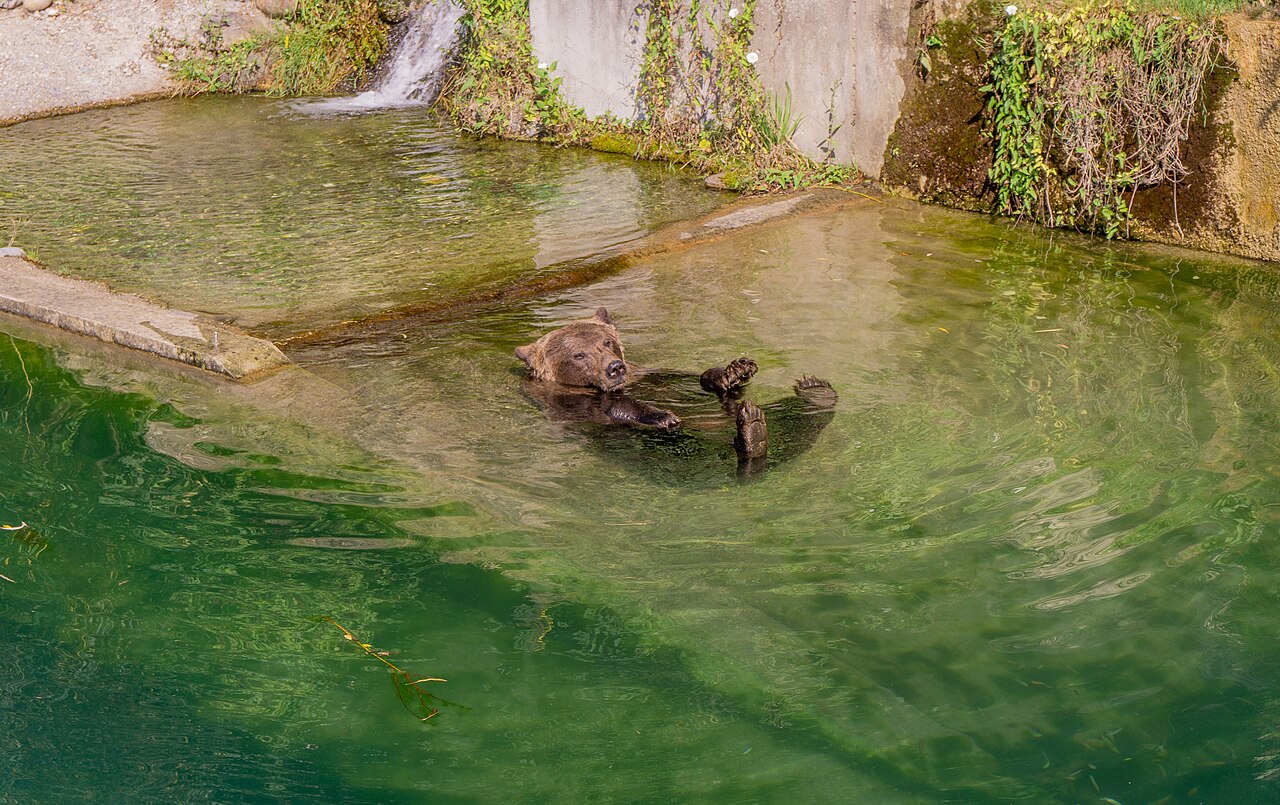
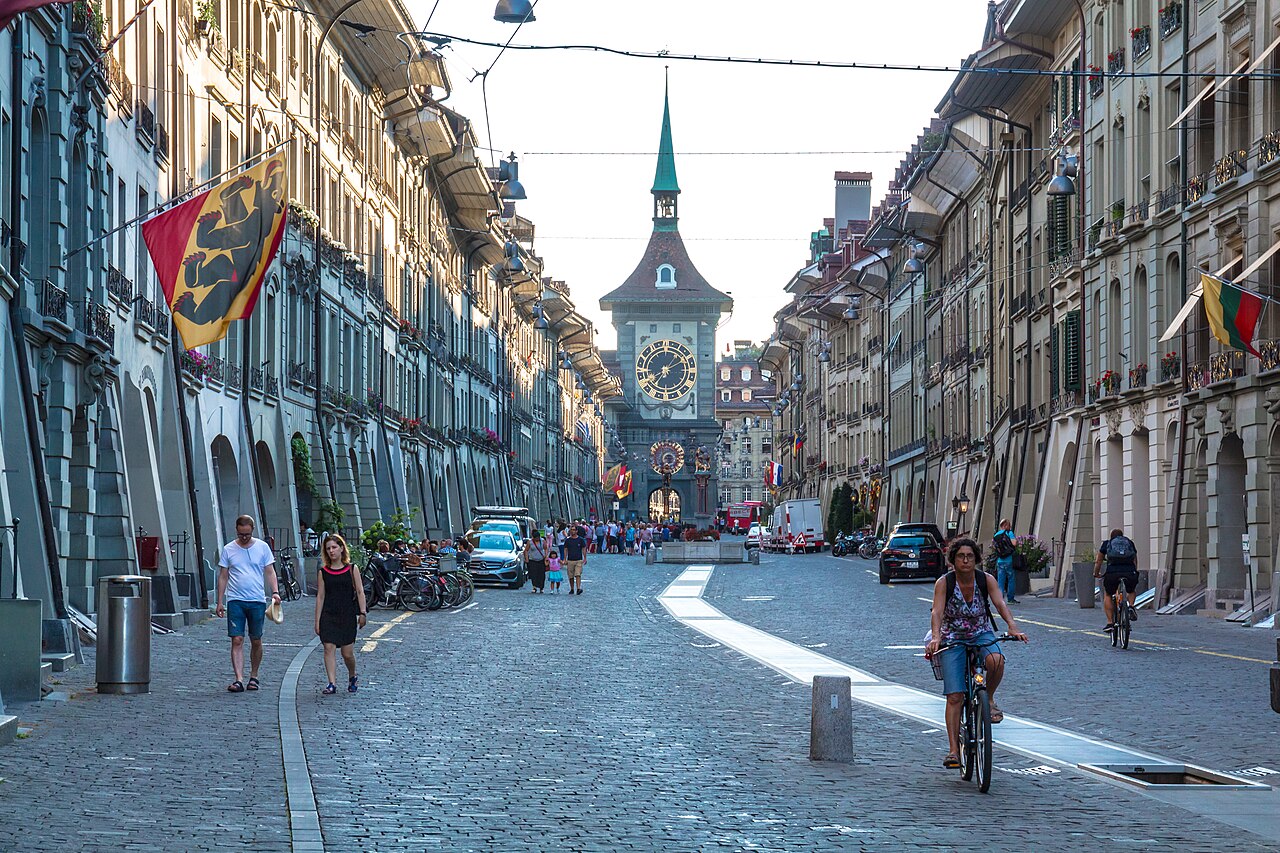
Start with the Old Town itself. Walk the Marktgasse, Kramgasse and Gerechtigkeitsgasse in one line, passing the figure fountains and the Zytglogge, which performs a short show about four minutes before every hour. Stop at the Einstein House on Kramgasse, climb the tower of Bern Minster if you are comfortable with 344 narrow steps, and cross the Nydegg Bridge to the Bear Park. The Rosengarten, a few minutes uphill, offers the classic view of the whole peninsula. These headline sights are mostly free, which keeps a city break affordable.
Museums
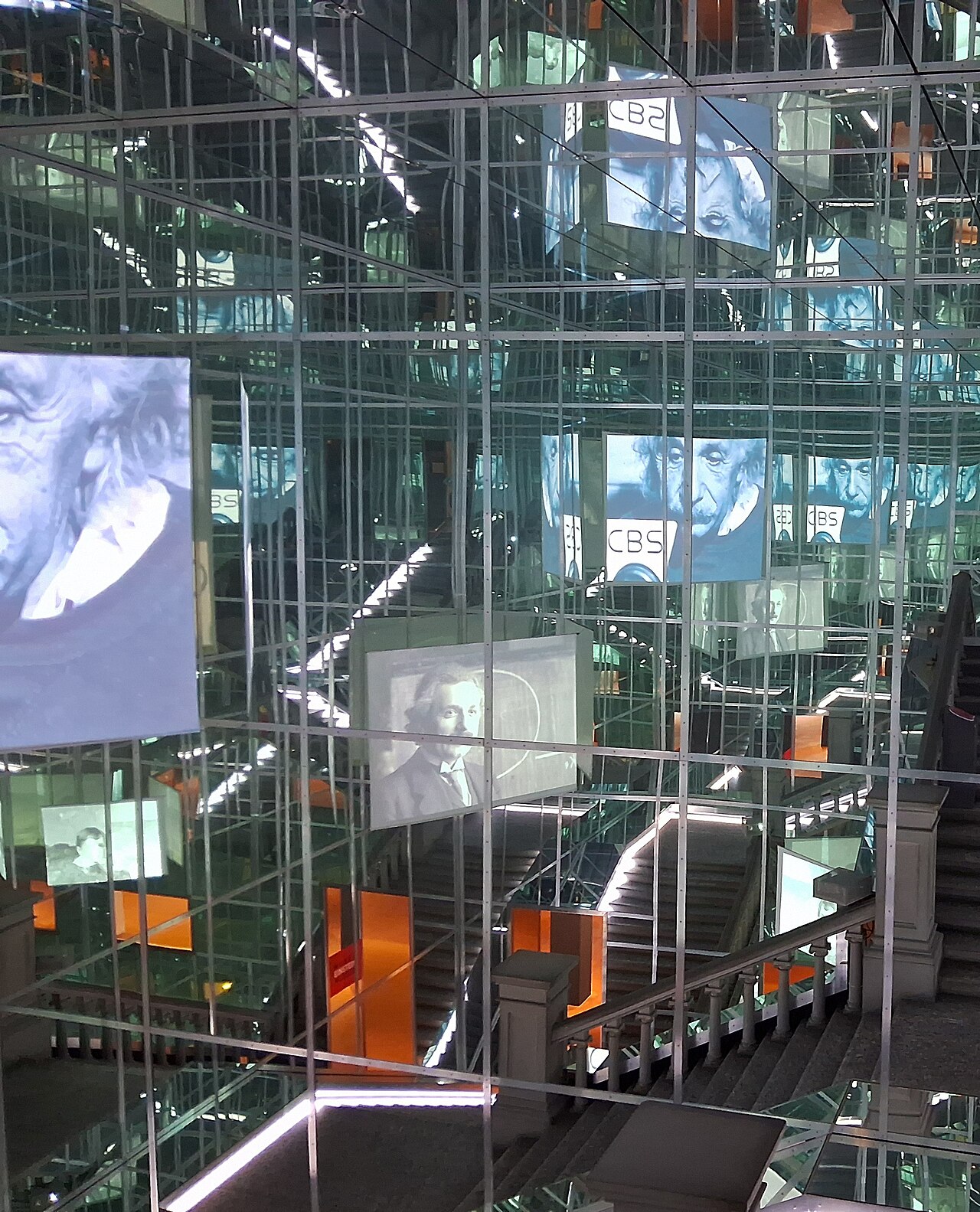
Bern is strong on museums. The Albert Einstein Museum, inside the Bern Historical Museum, is the best place for the science and the story, while Zentrum Paul Klee on the eastern edge of the city holds the largest Klee collection in the world in a Renzo Piano building. The Kunstmuseum Bern is close to the station and covers medieval to modern art. Many Swiss museums close on Mondays, so plan museums for other days and use Monday for walking, the river and markets.
Getting around
The centre is walkable, and trams and buses cover the rest. The station is the hub for both city transport and national trains, and the Swiss rail network is reliable and punctual. Many hotels in Bern give guests a local transport pass, so ask when you check in. Buy tickets in the app or at machines before boarding, and validate if required. Taxis are expensive, and you rarely need one. If you arrive by car, leave it in a garage on the edge of the Old Town, because the centre is largely pedestrian.
What to book ahead
Very little in Bern needs weeks of planning, but a few things reward booking. Tours of the Federal Palace need registration and photo ID. Guided visits of the Zytglogge clockwork have limited places. Food experiences such as the fondue cellar and chocolate tasting walk fill up at weekends, and the Gruyères and Thun day trips are most popular in warm months. Popular restaurants in the Old Town are busy on Friday and Saturday nights, so reserve a table.
Shops and hours
Switzerland keeps shorter shopping hours than many countries, and most shops close on Sundays, with exceptions around the station. Plan souvenir shopping for other days. Markets on Bundesplatz and in the Old Town squares run on set mornings and are good for cheese, bread and flowers. Restaurants often close between lunch and dinner service, so check hours before you set out hungry.
Money and costs
Switzerland is expensive, and Bern is no exception, but the city is kinder to budgets than Zurich or Geneva. Many sights are free, from the Old Town and the Bear Park to the Rosengarten and the Federal Palace tour. Tap water is excellent, the fountains give free drinking water, and bakeries and market stalls offer cheaper lunches than restaurants. Cards are accepted almost everywhere, and the Swiss franc is the currency.
Seasons and weather
Summer brings river swimming and long evenings, autumn brings clear light and food festivals, winter has Christmas markets and a quiet Old Town, and spring is the season for blossom and the first terraces. The arcades keep you dry in rain, which makes Bern a good choice in unsettled weather. Pack layers and comfortable shoes for cobbles.
A simple plan
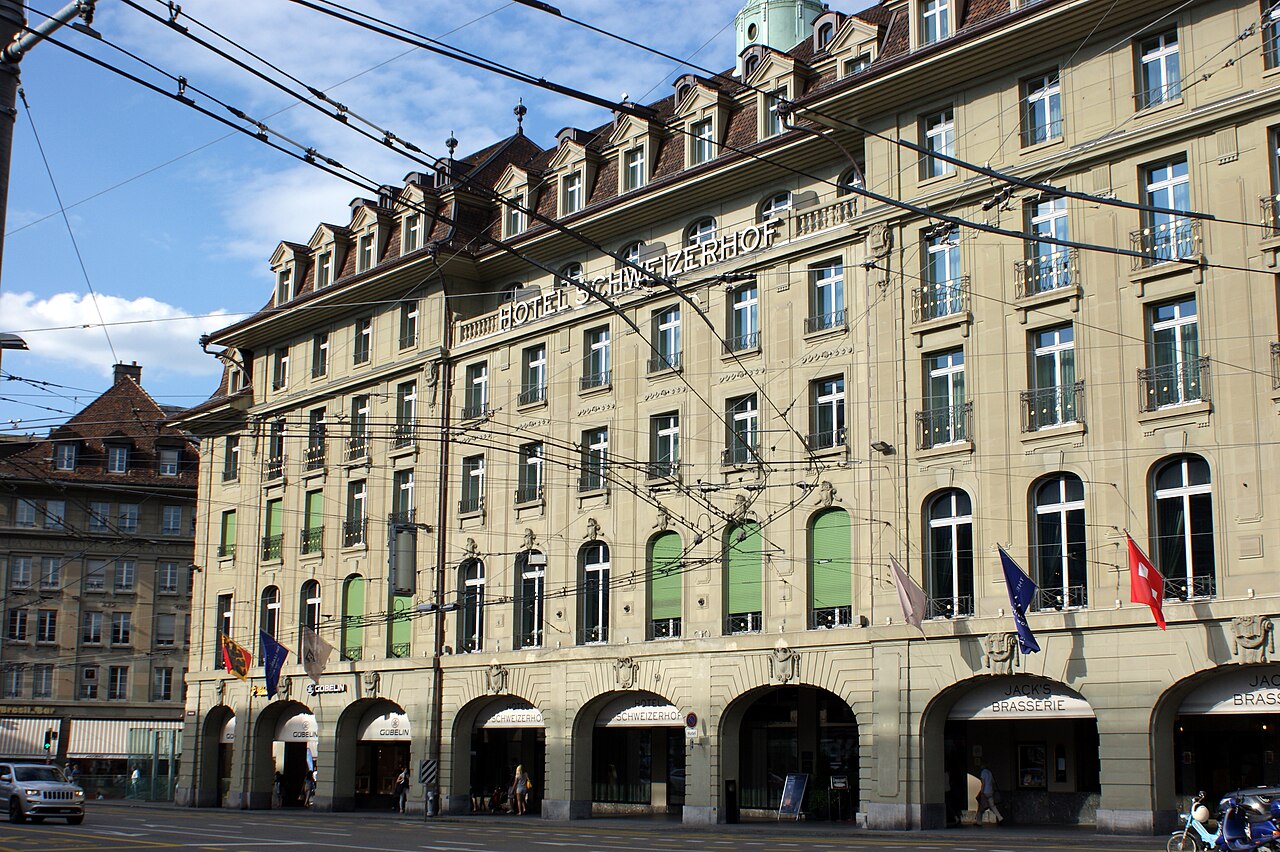
Day one: arrive, walk the Old Town, see the Zytglogge show, climb the Minster and finish with the Rosengarten at sunset. Day two: morning at the Einstein Museum or Zentrum Paul Klee, lunch in the Matte district by the river, afternoon at the Bear Park and the Marzili or a chocolate tasting. Day three: a day trip to Gruyères, Thun or the Emmental. Choose a hotel in the Old Town for atmosphere or near the station for convenience, and your visit will fall into place.