Bern sits at the centre of Switzerland's rail network, so day trips are easy. Within an hour you can be in a medieval cheese village, a castle town on an Alpine lake, a bilingual medieval city or the home of Swiss watchmaking. This guide covers the best options, how to reach them and how to choose between a tour and independent travel.
Gruyères
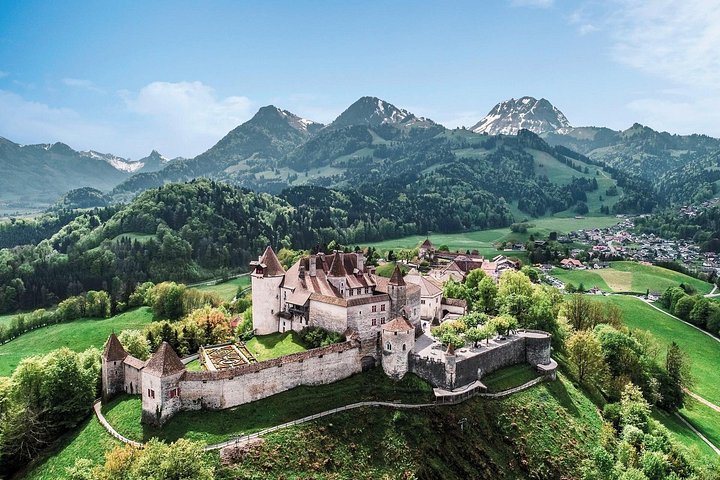
This hilltop village in the canton of Fribourg is famous for its castle, its cobbled street and the cheese that carries its name. A small-group tour from Bern adds cheese and chocolate tastings and takes away the work of changing between trains and buses. Independent travellers can go by train via Fribourg and then by regional connections, which takes roughly one and a half to two hours each way. Allow a full day.
The Emmental
East of Bern, the Emmental is a region of green hills and big farmhouses. The show dairy at Affoltern explains how the famous holey cheese is made, and the surrounding countryside is good for walking and cycling. Trains run to Burgdorf, with buses onward, and the trip takes about an hour each way. It is a calm, rural day, particularly good with children and anyone who loves cheese.
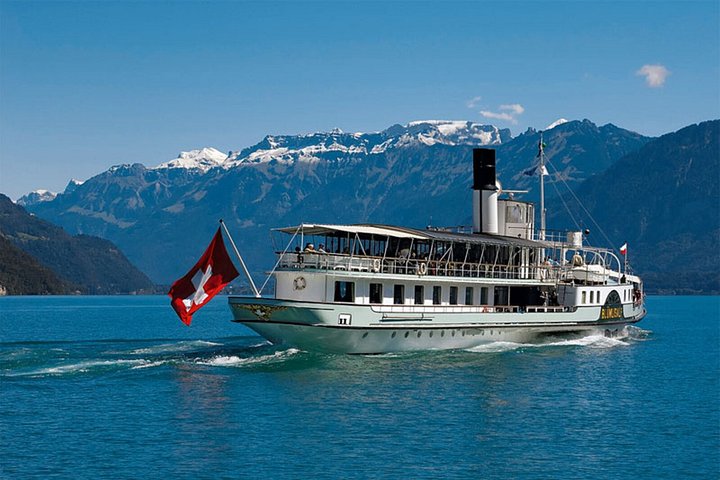
Thun and Lake Thun
About thirty minutes by train, Thun has a castle, a charming old town with a two-level shopping street and a lake with views of the Bernese Alps. A boat cruise is the highlight, and in summer the full timetable allows a relaxed day. Guided trips combine the train, the lake and a cheese tasting. From Thun, you can continue to Spiez or on toward Interlaken, which has its own guide on Twickly, though the day gets long.
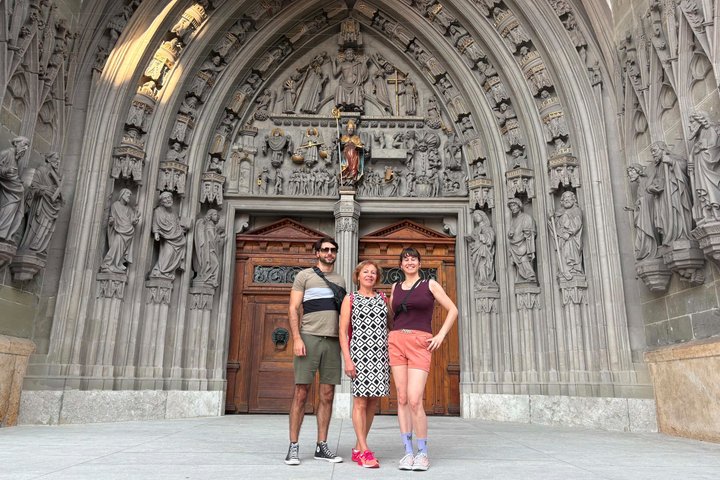
Fribourg
Just twenty minutes by train, Fribourg is a medieval city on a river gorge, with bridges, a Gothic cathedral and a lower town reached by steep stairs and an old funicular. It sits on the French and German language border and has its own food traditions, including a local fondue and cream with meringues. A walking tour provides context, and a half day is enough.
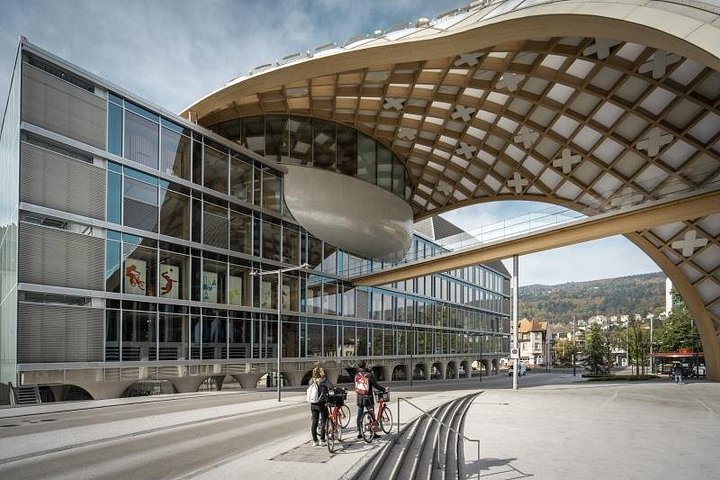
Biel and the watch museums
Biel is the home of Omega and Swatch, and the museums trace the story of Swiss watchmaking, from traditional craft to colourful plastic design. The town also has a medieval old town and a lake. A guided tour from Bern covers the museums and provides context, while independent travellers can go by train in about thirty minutes.
Beyond the day trips
Longer excursions toward the Jungfrau region, Lucerne or Zermatt are possible from Bern, but they involve long days and are better served from their own bases. If you want to see the high Alps, consider spending a night in Interlaken or Lucerne, where Twickly has dedicated guides, rather than rushing a round trip from the capital.
Tour or independent
Tours save time and include extras such as tastings and local knowledge, and they suit those who prefer not to plan. Independent trips cost less, give more flexibility and are easy in Switzerland, because trains are frequent and timetables are reliable. A rail pass can make several trips good value, and a half-fare card may help over a longer stay. Check the timetable the night before, and remember that last trains run earlier on Sundays.
Seasonal notes
In summer, lake boats run frequently and walking is at its best. In autumn, the light is clear and cheese festivals take place in villages. In winter, the schedule on boats and some attractions is reduced, but the cheese cellars, castles and museums stay open, and the landscape can be beautiful under snow. Dress in layers, carry a rain jacket and check opening hours before you set out. Mondays can be quiet because many museums and some shops are closed.
Planning tips
Start early, carry a light jacket and download the rail timetable on your phone. Keep your ticket handy for checks, validate day passes where needed and learn the platform numbers before boarding, as they are shown clearly on station displays. Fixed lunch times mean that kitchens in small villages may close by early afternoon, so eat when you arrive. If you travel with children, build in breaks, and if you are on a tight budget, bring a picnic from a Bern bakery. Be ready to adapt if the weather changes.