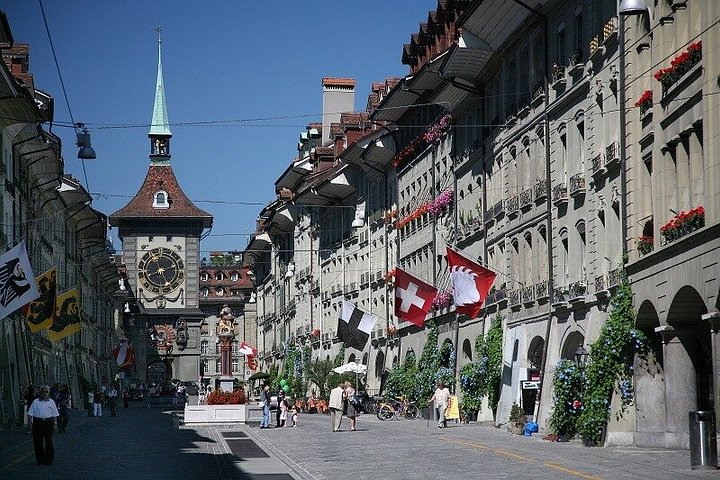
Bernese food is hearty, simple and built on cheese, potatoes, cream and good bread, and it suits the Old Town cellars where it is often served. The city does not have the culinary fame of some European capitals, but it rewards curiosity. This guide covers the dishes to try, the places to look for them and some practical tips for eating well without overspending.
The Bernese platter
The Berner Platte is the signature dish of the region, a large plate of boiled and smoked meats, sausages and bacon served with sauerkraut or green beans and potatoes. It is a meal for sharing and for a cold day, and traditional restaurants in the Old Town often offer it. Come hungry and consider splitting a portion.
Rosti
The potato pancake, golden and crisp, is Swiss comfort food and often eaten with fried egg, cheese, bacon or mushrooms. In Bern, it is a reliable lunch and an easy choice for vegetarians. Ask for the version with cheese and egg for a filling meal.
Fondue and raclette
Cheese fondue is the classic communal dish, with bread dipped into a pot of melted cheese and wine. It is mainly a cold-weather meal but is available all year. A fondue cellar experience, such as the one that combines an Old Town walk with dinner, is a good way to enjoy it in the right setting. Raclette, melted cheese scraped over potatoes and pickles, is another favourite, and you will find it at winter markets and in many restaurants.
Onion tart and the onion market
Zwiebelkuchen is a savoury onion tart often served with new wine in autumn. The city also holds its famous onion market late in November, when stalls fill the centre with braided onions and local snacks. It is a local festival rather than a tourist show, and the atmosphere is cheerful.
Meringues and desserts
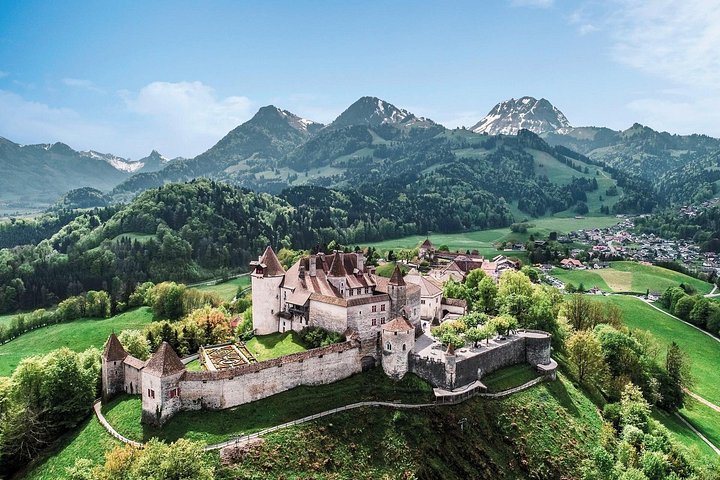
In the nearby Gruyère region, double cream is served with meringues, and you can find this dessert in Bern as well. Zopf, a braided bread, is a Sunday morning staple, and Bernese honey cake and nut tarts are worth a try. For dessert on a budget, a bakery stop beats a restaurant.
Chocolate
Switzerland is famous for chocolate, and Bern has its own chapter, since Toblerone was first made here. Independent chocolatiers in the Old Town sell pralines, truffles and bars, and a guided tasting walk lets you sample several shops in one outing. Buy small quantities to eat soon, and carry chocolate in a cool bag in warm weather.
Cheese
Emmental and Gruyère are the best-known cheeses in the region. Markets and delicatessens sell wedges that travel well, and the show dairy in the Emmental and the village of Gruyères offer tastings. Ask for aged cheeses if you like strong flavours.
Drinks
Swiss wine rarely travels, so it is worth trying locally, with white wines from Lake Biel and Lake Geneva among the favourites. Beer is widely available, and there are local breweries. Fountain water in the Old Town is drinkable, so carry a bottle. For hot drinks, look for hot chocolate in winter and strong coffee in the many cafes.
Where and when
Meals in Switzerland follow a clear rhythm. Lunch is served roughly from noon to two, dinner from six to nine, and many kitchens close between services. The Matte district by the river and the lanes around the Rathausgasse have a good number of restaurants, while the markets on Bundesplatz offer fresh snacks. Reserve on Friday and Saturday evenings, and expect to pay more than elsewhere in Europe. A set lunch menu is often the best value. Tipping is modest, as service is included in the price, though rounding up is appreciated.
Practical tips
Allergies and dietary needs are well understood in Swiss restaurants, but dishes are often built around cheese, cream and meat, so vegetarians should look for rosti, salads and cheese-based dishes, and vegans should ask in advance. Many restaurants offer a daily lunch special that is cheaper than the evening menu. Supermarkets near the station sell ready meals and sandwiches, and the markets are good for picnic supplies. A picnic on the lawns of the Rosengarten or beside the Aare is a classic way to eat well on a budget. Cafes also serve breakfast pastries, such as croissants and braided bread, with strong coffee.