Bologna rewards the curious walker and the hungry traveller. It is a compact, lived-in university city rather than an open-air museum, and its pleasures are its porticoed streets, its markets and its tables as much as its monuments. A little planning helps you see the highlights, eat well and avoid the few things that are currently closed.
How many days
Two full days cover the historic centre comfortably: the squares, the churches, the Archiginnasio, the market lanes and the climb to San Luca. Three days lets you add a food day trip to Modena or a cooking class. Four or five days turns Bologna into a base for the region, with Parma, Ferrara or Ravenna all reachable by train.
What to book ahead
Book the Clock Tower of Palazzo d’Accursio, because entry is by timed slot only, three times an hour. Food tours, cooking classes and the balsamic and Parmigiano visits are small-group experiences that fill up, especially at weekends, so reserve them a few days ahead. The Archiginnasio is closed on Sundays, so plan it for a weekday. Popular trattorias are small and busy; reserve dinner, particularly on Friday and Saturday.
What is closed
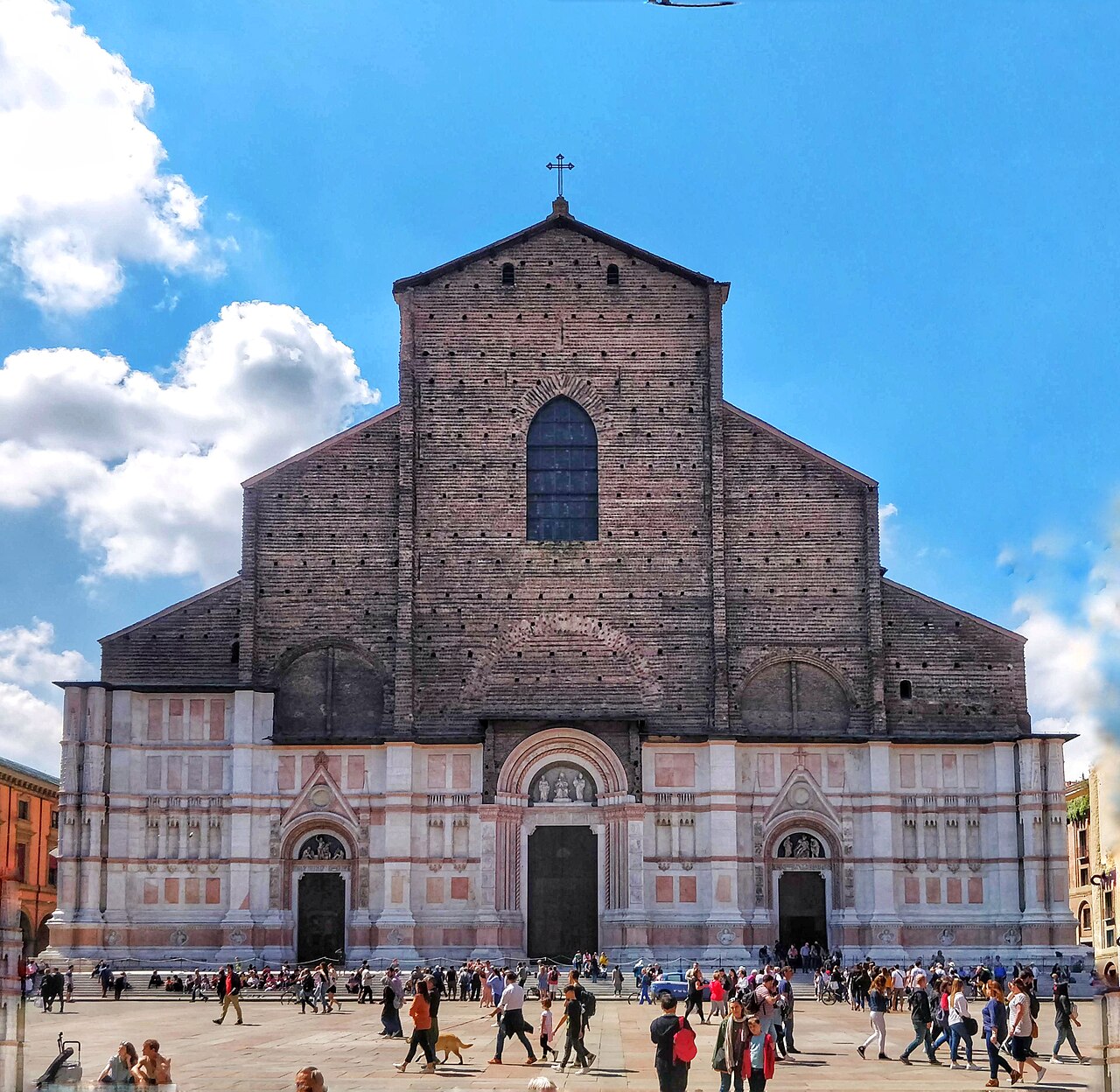
The Asinelli Tower, the taller of the famous Two Towers, has been closed to climbers since October 2023, when the leaning Garisenda next to it began to give cause for concern. Stabilisation works are expected to continue until at least 2028, the area around the base is fenced off and some streets are diverted. You can still see both towers from nearby streets. For a view, climb the Clock Tower on Piazza Maggiore instead. The panoramic terrace on San Petronio is also permanently closed.
Getting in
Bologna Guglielmo Marconi airport is close to the city. The Marconi Express monorail runs between the airport and Bologna Centrale station; check the current timetable and fare before you travel. Taxis are the simplest option with luggage. Bologna Centrale is one of the busiest rail hubs in Italy, with fast trains to Florence, Milan, Venice and Rome, so arriving by train is easy.
Getting around
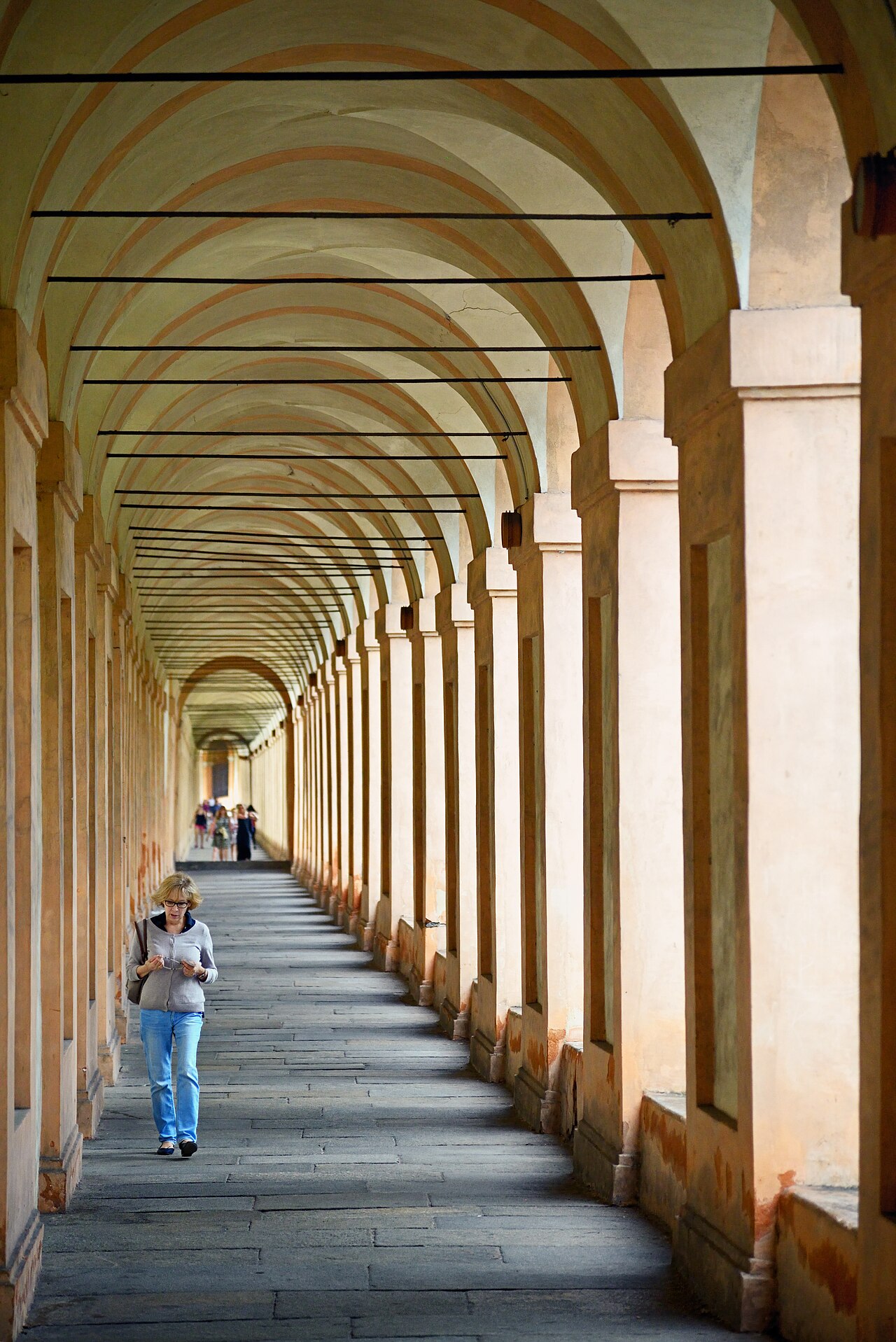
The historic centre is flat, compact and best seen on foot, sheltered by some forty kilometres of porticoes. Much of it is a limited traffic zone, so do not drive in without your hotel registering your car. At weekends the main streets around the Two Towers become largely pedestrian. Local buses cover longer hops, and the San Luca Express sightseeing train climbs from Piazza Maggiore to the sanctuary.
Where the headline sights fit
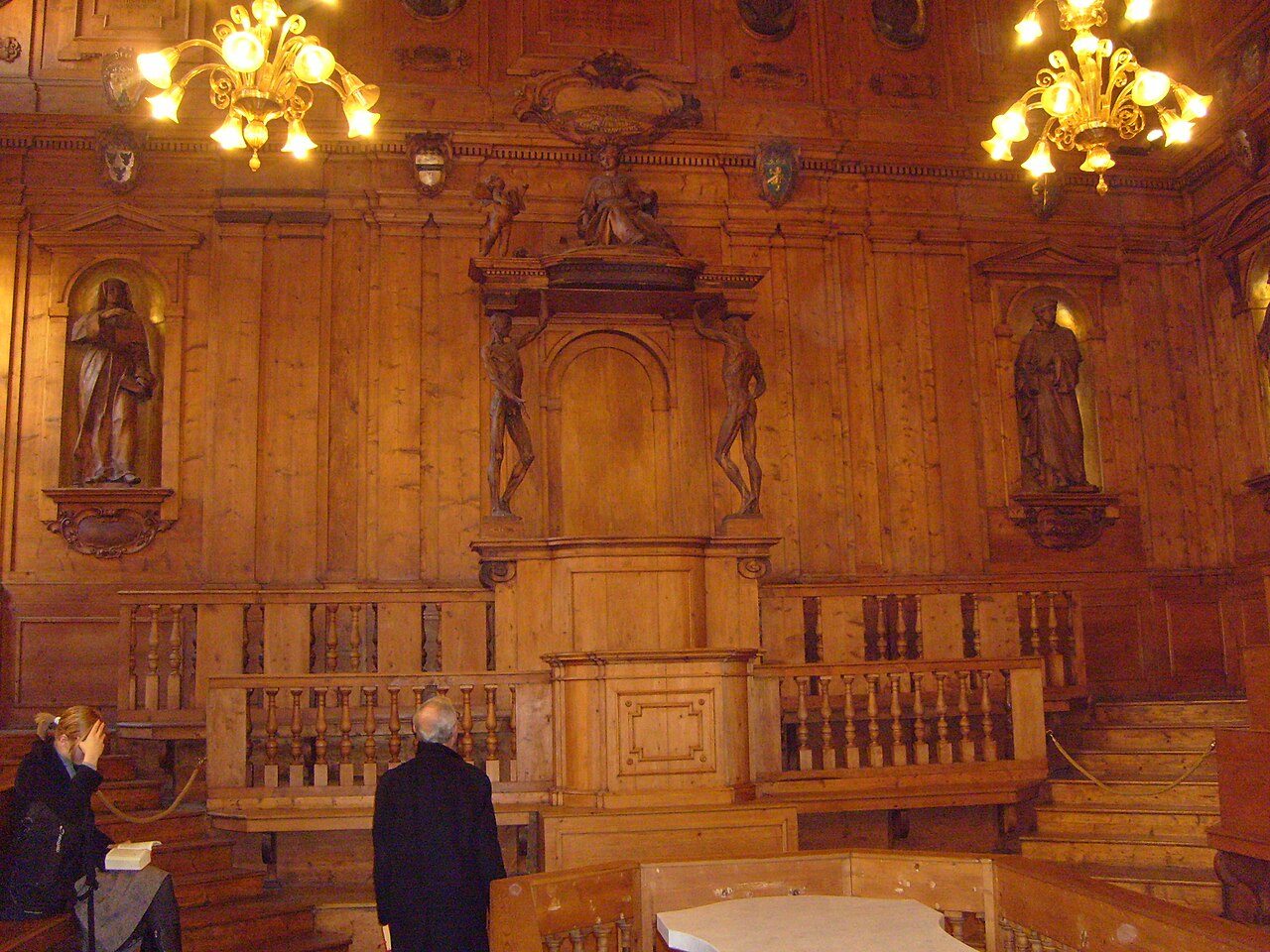
Day one: start at Piazza Maggiore with the Basilica of San Petronio and the Neptune Fountain, climb the Clock Tower for the view, then visit the Archiginnasio and its Anatomical Theatre. In the afternoon, join a food walking tour or graze through the Quadrilatero market lanes, and end at Santo Stefano as the light fades. Day two: ride the San Luca Express or walk the 666 arches of the portico up to the Sanctuary of San Luca, then spend the afternoon on the university quarter and the porticoes of Strada Maggiore. Day three: take the train to Modena for the balsamic acetaia, or head into the countryside for a cooking class.
Eating like a local
Order tagliatelle al ragù, never spaghetti bolognese, tortellini in brodo, lasagne verdi, mortadella and crescentine with cured meats. Aperitivo is a ritual in the early evening, and lunch is a proper meal. Many shops and some restaurants close on Sunday or for a long lunch break, so plan market visits for weekdays.
When to go
Spring and autumn are the most comfortable seasons for walking. Summers are hot and humid, though the porticoes help, and August is quiet as many locals leave. Winter is cool, damp and sometimes foggy, but it is the season for steaming bowls of tortellini, and the porticoes keep you dry.