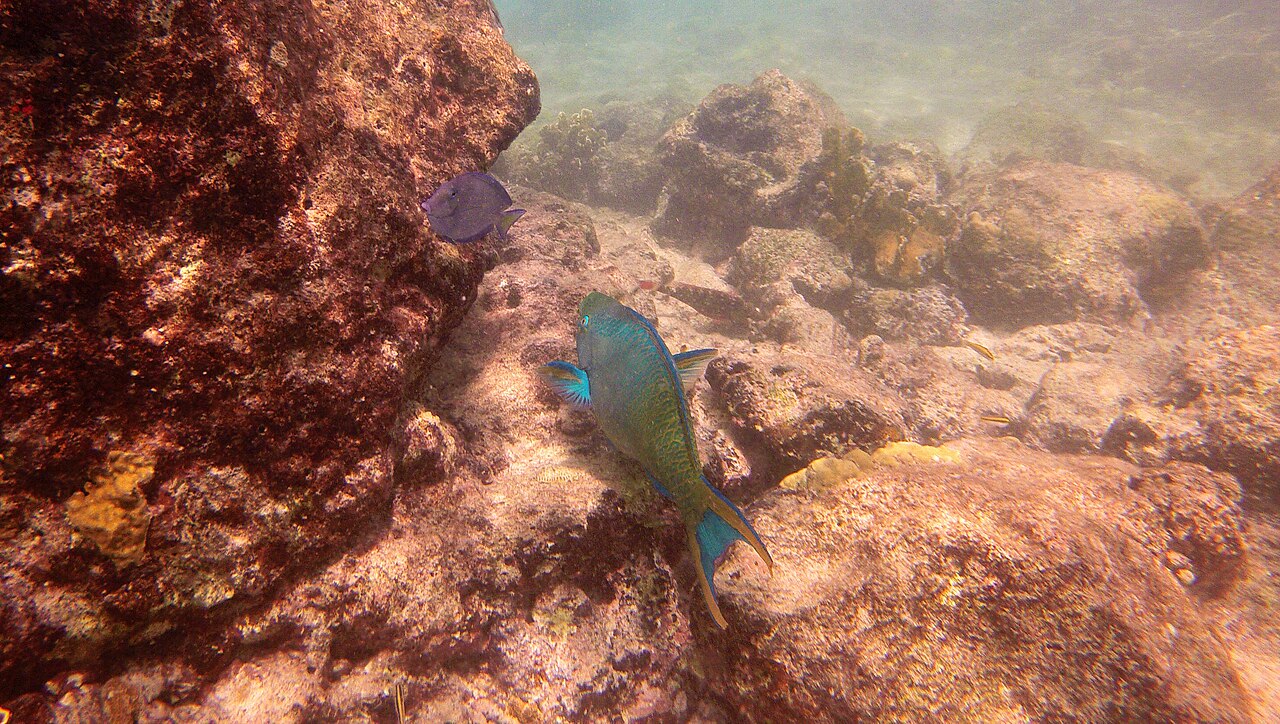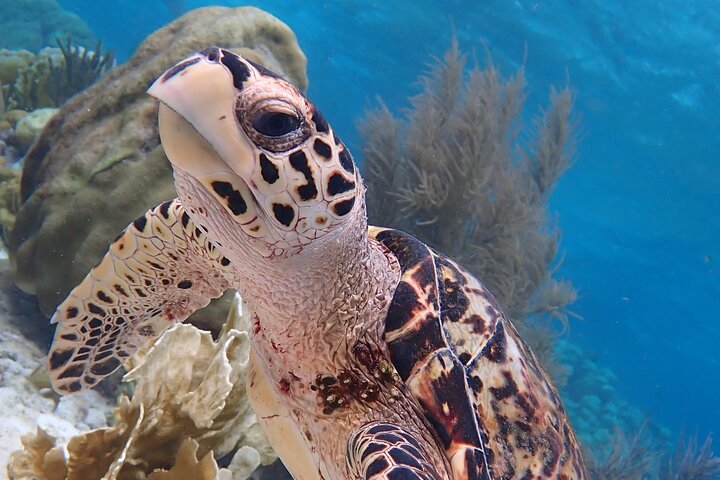
Bonaire is a small, dry Dutch Caribbean island, and it rewards visitors who plan a little and then slow down. Its fame comes from the sea, because the whole coast is a protected marine park with reef you can reach from the beach, but there is plenty to do on land as well. This guide covers what to book, how to move around and how to shape a first trip.
What to book ahead
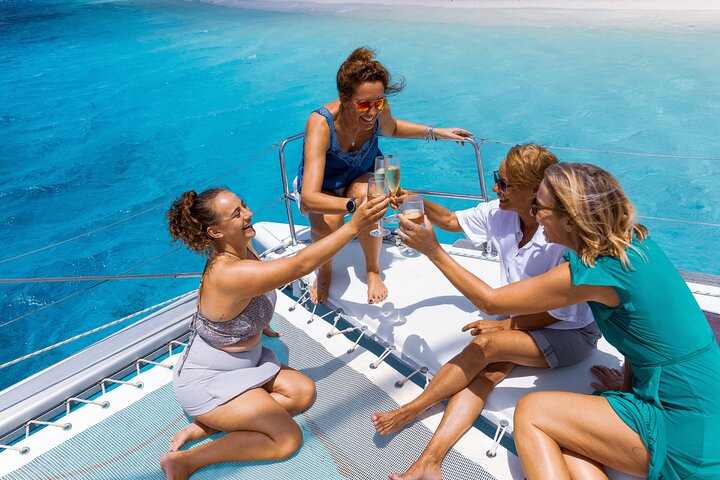
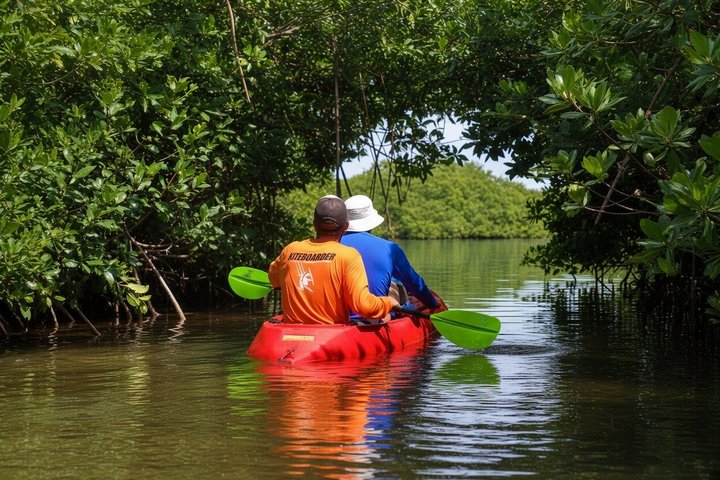
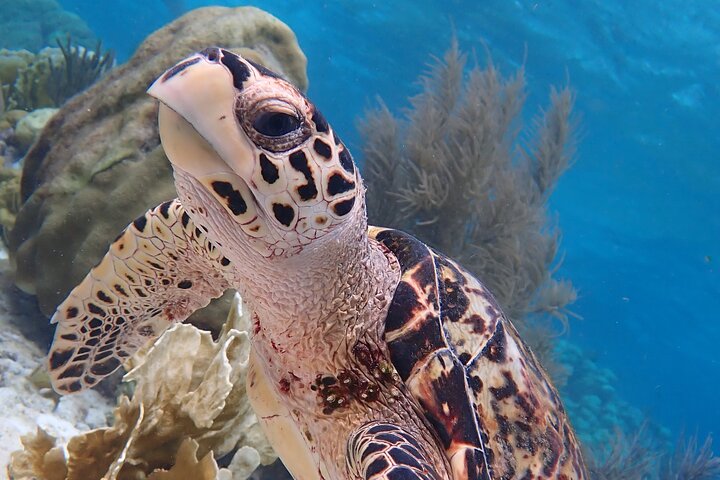
Start with one guided boat day. The Klein Bonaire snorkel excursion is the simplest introduction to the reef, and the Chill and Grill catamaran adds a barbecue and a long afternoon on the water. Next, choose one activity for the east side, either the Lac Bay mangrove kayak or the landsailing session, because both are popular. If you want something more adventurous, add the cave tour or the ATV and UTV ride. Finally, arrange a rental vehicle early in busy winter and spring months, since it is the key to the rest of the island.
Fees and rules
Bonaire asks visitors to pay a nature fee that covers the marine park and Washington Slagbaai, and it is valid for the calendar year, with a reduced one-day fee for cruise passengers. Carry photo ID, because you may be asked to show proof. The island also charges a tourist entry tax per visitor, so check the current amount and how to pay before you travel. In the water, never touch coral, use reef-safe sunscreen and disinfect your gear as the park asks.
Getting around
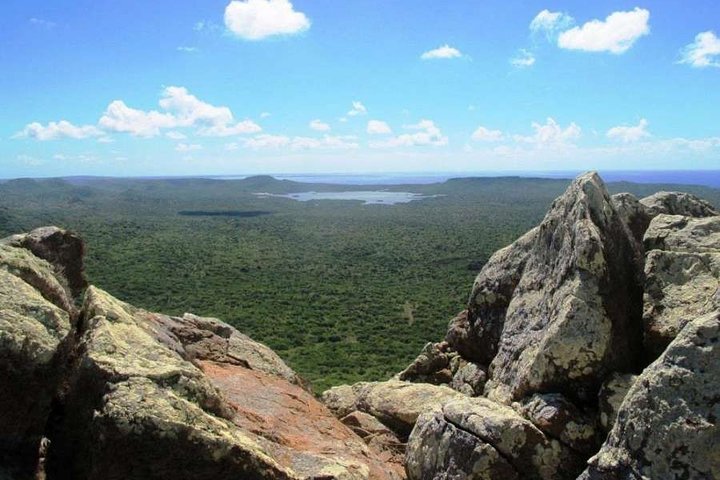
Kralendijk is compact and walkable along the waterfront, but beyond town you will want a vehicle. A car, pickup or scooter lets you drive to the salt pans in the south, Lac Bay on the east and the national park in the north. Washington Slagbaai recommends a vehicle with good ground clearance, such as a jeep or pickup, and rangers decide on the day whether lower cars can enter. Taxis are available, though they add up, and guided tours are a good option if you prefer not to drive. Wild donkeys roam the roads, so drive carefully, especially at dusk.
How many days
Three days is a good first visit: one for a boat day, one for the south with the salt pans, the flamingos and the donkey sanctuary, and one for Washington Slagbaai or an adventure on the east side. Five days adds a kayak or landsailing session and time for shore snorkeling at marked sites. A week lets you slow down, dive more and repeat favorites. Travelers on a cruise day should choose one boat trip or one island loop and leave a generous margin before the ship departs.
Where the headline sights fit
Put the Klein Bonaire snorkel or the catamaran on your first full day, so you see the reef and can adjust to the weather. Plan the south for a morning, when the light on the salt pans and the pink pools is best and the heat is lower. Visit Washington Slagbaai early, because the park is open Tuesday to Sunday and the last entry is at 2:30 pm, and it is closed on Mondays. The donkey sanctuary is an easy stop with children, and the cave tour is a good choice for a hot afternoon or a day when the sea is rough.
Weather and timing
Bonaire is dry and breezy, with sunshine most of the year and steady trade winds on the east side that make it a center for windsurfing and landsailing. It sits outside the main hurricane belt, though it is sensible to check forecasts and keep bookings flexible. Midday heat can be strong, so schedule active outings for mornings and keep afternoons for the water and shade.
A simple plan
Day one, a boat day and a waterfront dinner in Kralendijk. Day two, the salt pans, the donkey sanctuary and a swim at a marked shore site. Day three, Washington Slagbaai or the east coast with kayaking or landsailing. Choose a base that matches your style, from Harbour Village for luxury to Buddy Dive or Hamlet Oasis for value, and enjoy the unhurried pace.