Bordeaux works all year, but the city and the vineyards change character with the seasons. The best months for most visitors are late spring and early autumn, when the weather is mild, the terraces are full and the vines are at their most photogenic. Winter is quieter and cheaper, with a few attractions closed, and midsummer is hot. Here is what each season offers.
Spring: April to June
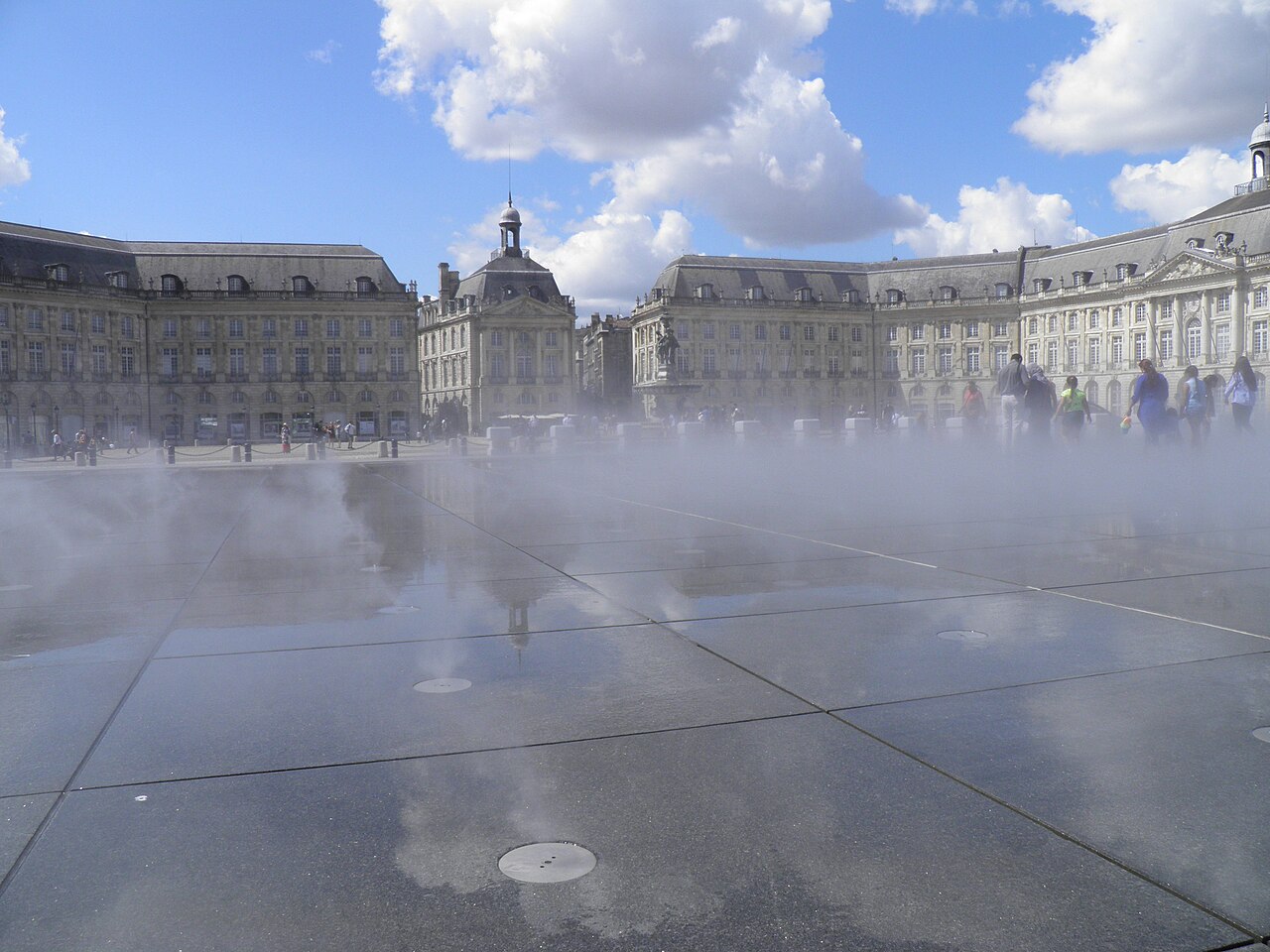
Spring is the best time for a city break. Temperatures are comfortable but changeable, so carry a light waterproof. Terraces fill, markets are busy and the Miroir d’eau at the Place de la Bourse is back in operation after its winter break, which is the moment the square looks best. The Flèche Saint-Michel opens for climbs from April. Wine tours are in full swing, so book the Saint-Émilion and Médoc small-group days a few days ahead.
Summer: July and August
Summer is hot, and temperatures regularly pass 30°C. The water mirror, the river cruise and the Jardin Public are at their best in the evening, and the long daylight suits a late walk along the quays. The drawbacks are the heat, the day-trip crowds in the vineyards and the fact that some restaurants and shops close for part of August when residents take their holidays. Plan indoor sights such as La Cité du Vin or the Musée d’Aquitaine for the hottest hours, and go to the coast, to Arcachon and the Dune du Pilat, for a breeze. Book hotels early, because rates rise for peak dates.
Early autumn: September and October
For wine lovers this is the high point. The grape harvest usually starts in September and the best chance of seeing it is from mid-September to mid-October, with the white grapes of the Graves picked first and the sweet-wine grapes of Sauternes sometimes into November or later. Dates move with the weather. Estates are busy, so book visits well ahead, and note that some châteaux limit or suspend visits during picking. The city is comfortable and the summer crowds have gone. October brings the new-wine celebrations in the Chartrons and, from mid-October into early November, a funfair.
Winter: November to March
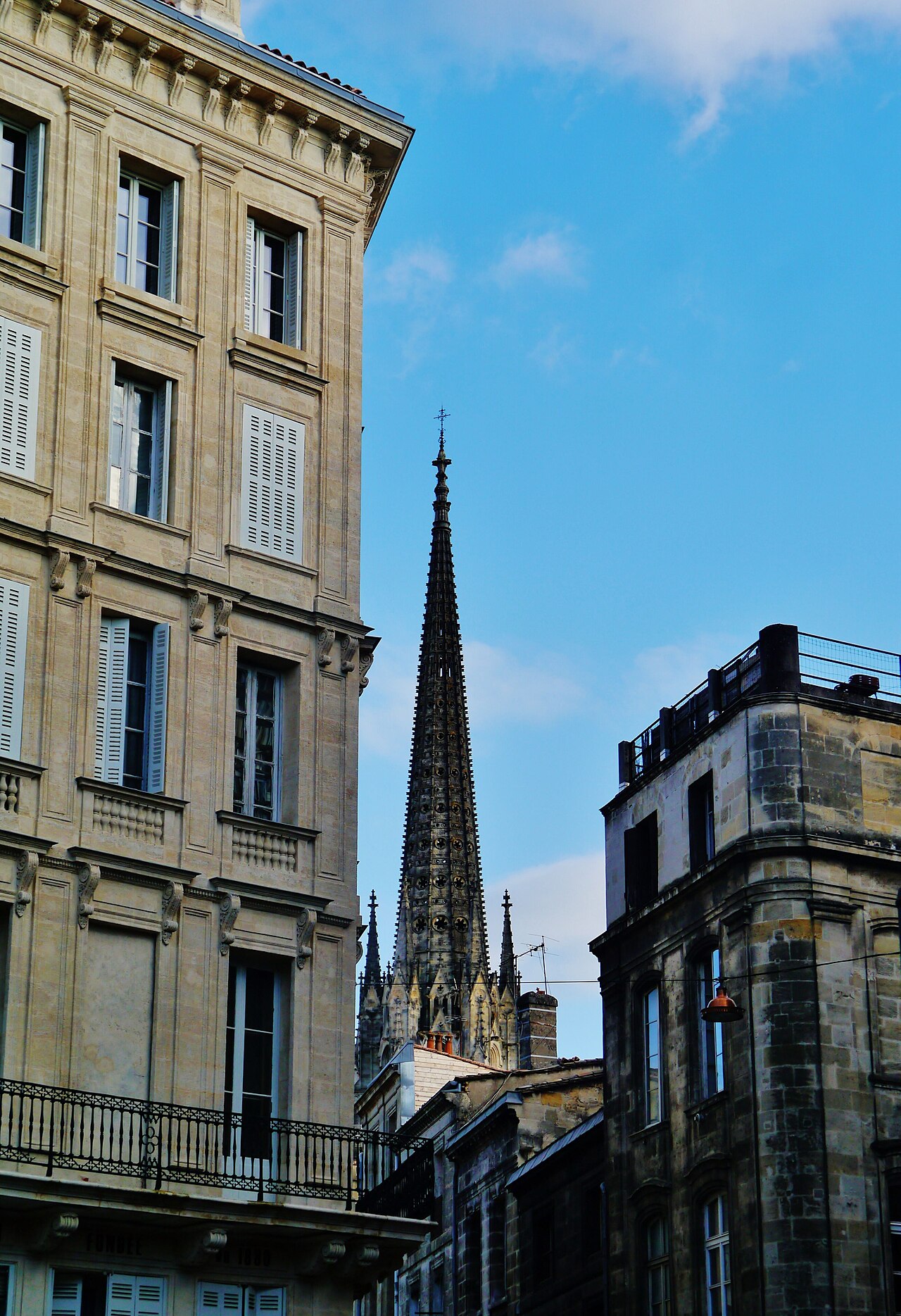
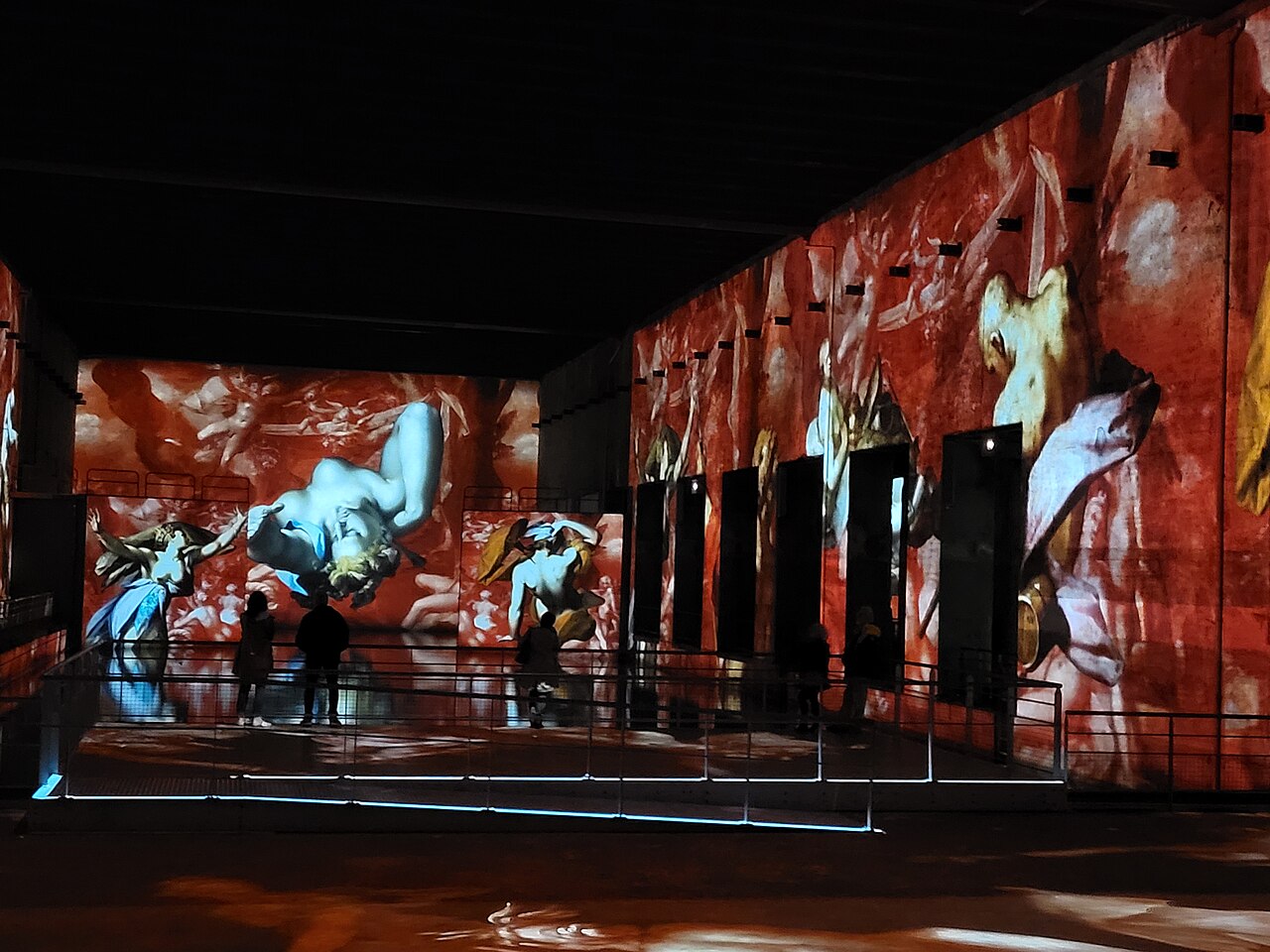
Winter is cool, wet and quiet, with short days. Crowds are lighter and hotel prices are lower, and the indoor attractions come into their own. La Cité du Vin has shorter winter hours and a closure week in late January, the Bassins des Lumières changes its programme through the season, and city museums close on Mondays. The Miroir d’eau is switched off from November to April for maintenance, and the Flèche Saint-Michel is closed outside the April to October season, though the Pey-Berland tower stays open on winter hours with a lunchtime break. The Saint-Émilion and Médoc tours still run, with golden vines in early November and empty cellars, which many people prefer. In December a Christmas market sets up on the Allées de Tourny.
Which month for which trip
For a first city visit, choose May, June or September. For the harvest and the new wine, choose late September to mid-October. For art and museums on a budget, choose November to March. For the beach and the dune, choose June or September rather than August. If you are travelling for a particular château, ask the estate when it welcomes visitors, because harvest and winter timetables differ.
Packing and planning
Bring comfortable walking shoes for cobbles and the tower stairs. Layers help in spring and autumn, a rain jacket helps in winter, and sun protection matters on the quays in summer. French public holidays close many shops, and Sundays are quiet outside the markets. The tram runs all year, so you do not need a car in any season.
A quick calendar
Spring is best for weather and the reopened water mirror. Summer is hot with a coastal escape. September and October are the harvest. Winter is calm, with indoor culture and a Christmas market. Whichever you choose, book the tours that cap group size, the timed tower tickets and good dinners a little earlier than you think you need to.