Bordeaux is a wine city first, but its table is better than most visitors expect. The cooking leans on three larders: the Atlantic oyster beds of the Arcachon Bay, the beef and game of the south-west, and a cellar of local wine to match. You do not need a long list of restaurant names to eat well. You need to know the dishes, where the food markets are and how to book a table.
Oysters, the Bordeaux way
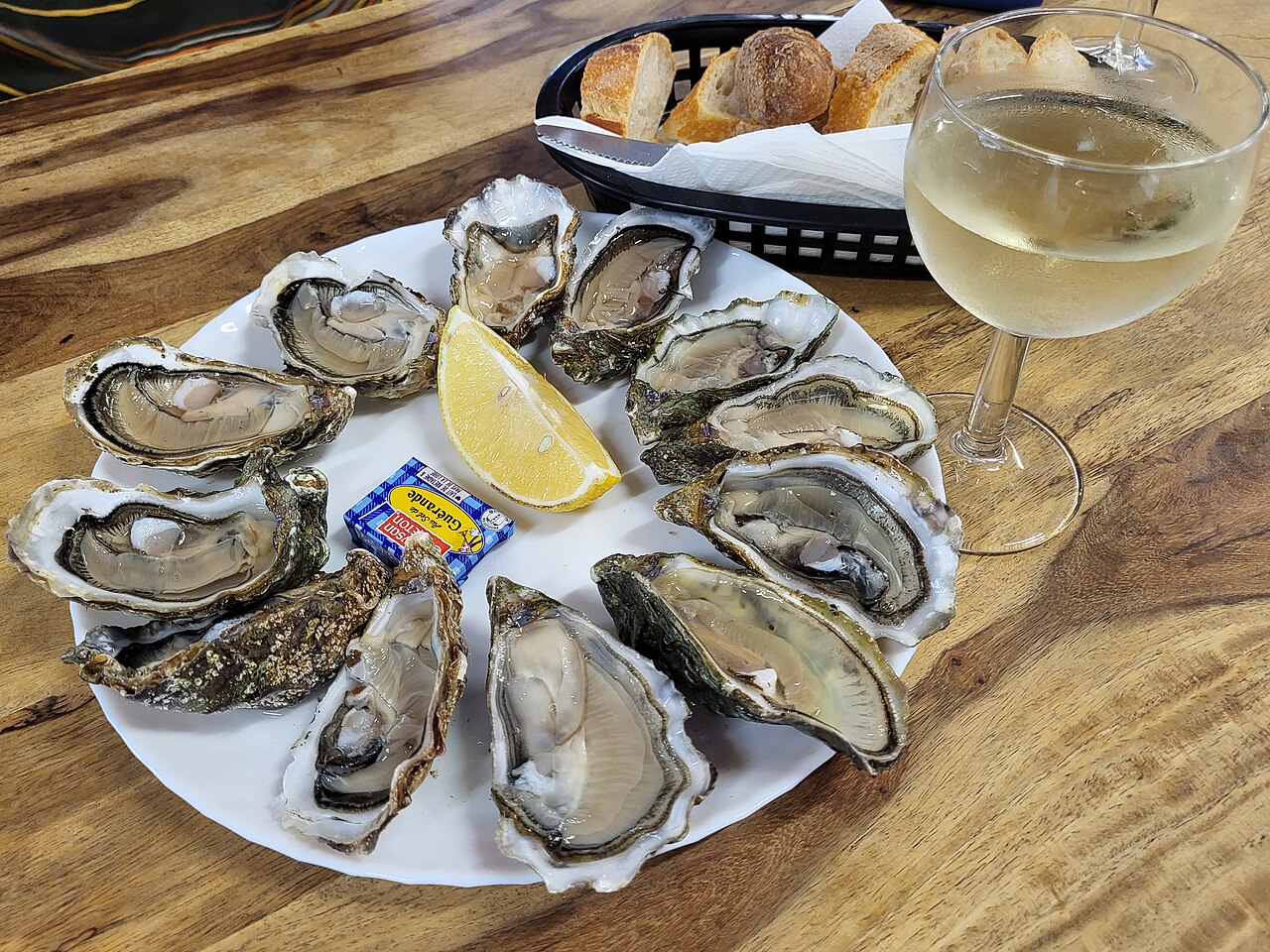
Oysters from the Arcachon Bay are the local first course, and they are eaten with a glass of dry white Bordeaux. The classic accompaniment is a small flat grilled sausage called a crépinette, with shallot vinegar on the side, a pairing that surprises first-timers and wins them over. The easiest place to try it is the covered Marché des Capucins, where counters and tables let you eat at the market, and the Sunday market on the Chartrons quays. Both are best in the morning.
Entrecôte bordelaise
The signature meat dish is a rib steak grilled over burning vine shoots, finished with shallots and a sauce made with red wine. Brasseries across the city serve it, and it is the dish to order if you want one proper Bordeaux dinner. Order the wine by the glass or carafe if you are on your own, since the list at a good brasserie will be deep and the bottle prices can climb.
Lamprey and other old dishes
Lamproie à la bordelaise is a river fish from the Gironde estuary, simmered for hours with leeks, red wine and cured ham and served with garlic croutons. It is rich, dark and seasonal, and it divides opinion, so treat it as an adventure rather than a safe choice. A gentler regional classic is the gratton de Lormont, a rustic terrine eaten as a starter with white wine.
Sweet things
The canelé is the pastry of Bordeaux: a small fluted cake with a dark, caramelised crust and a soft custard centre flavoured with rum and vanilla. Buy one warm from a bakery in the morning and you will understand why the city is proud of it. Look also for puits d’amour, small caramelised choux pastries filled with cream, and for a bottle of the pastry-friendly sweet wines of Sauternes. Saffron confit made from Sauternes is a good edible souvenir.
Wine in the city
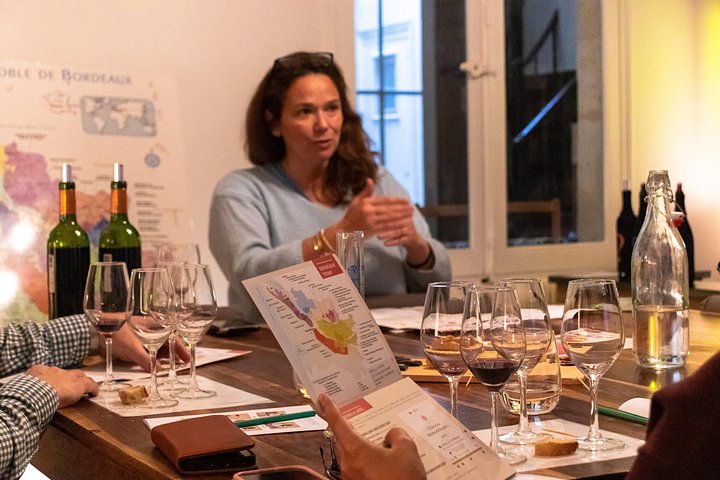
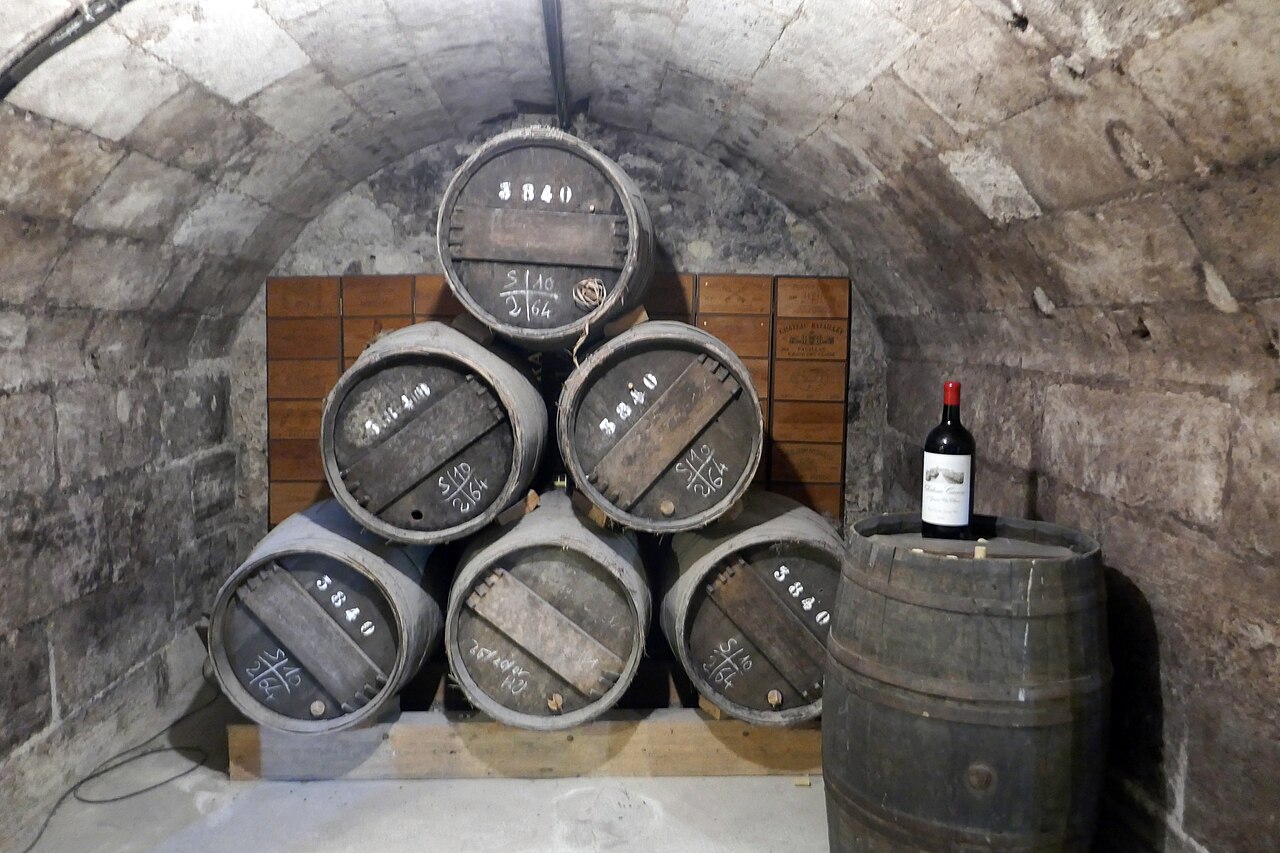
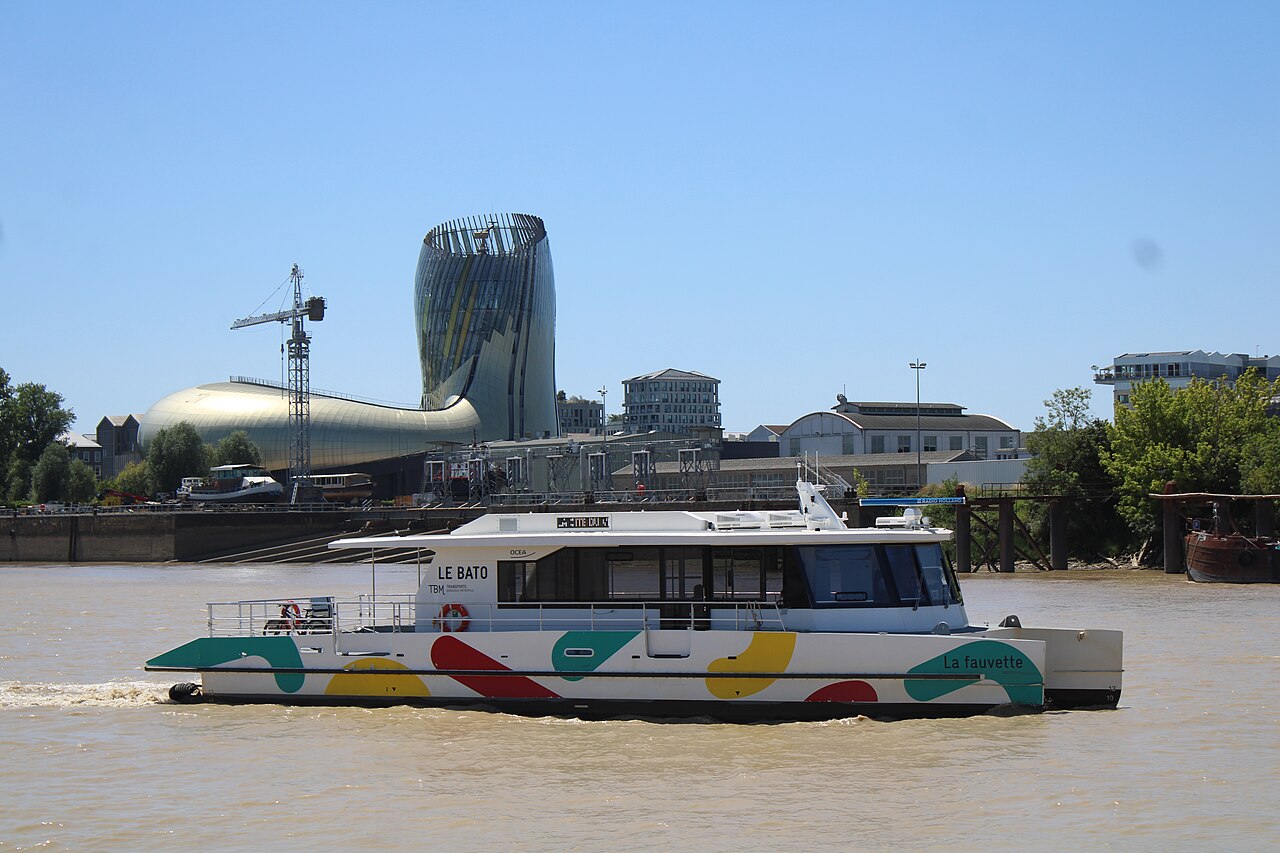
You do not need to leave town to taste. La Cité du Vin finishes with a glass at the Belvédère, the Musée du Vin et du Négoce pours two or three wines in an old merchant house, and the blending masterclass teaches you why Merlot and Cabernet Sauvignon behave so differently. A short tasting visit to a château near the city, such as Château du Taillan or Château de Fieuzal, takes one morning. If you want the full picture, the Saint-Émilion and Médoc day tours show the right bank and the left bank in a single day each.
Understanding the labels
A few words go a long way. Left-bank wines from the Médoc and Graves are Cabernet Sauvignon-led, structured and long-lived. Right-bank wines from Saint-Émilion and Pomerol lean on Merlot and feel rounder. Bordeaux blanc, usually Sauvignon Blanc with Sémillon, is the oyster wine. Sauternes is the golden dessert wine from botrytised grapes. Do not be shy with a waiter or merchant: a simple phrase such as “something local, not too expensive” is the best way to get a good bottle.
How to eat well without a plan
Start with the food tour if you like company: it follows the ingredients from a bakery to the covered market, with cheese, charcuterie and oysters on the way, and it makes the rest of your meals easier to choose. Lunch is usually better value than dinner, and many restaurants offer a fixed-price lunch menu. Dinner service usually starts at around 19:00, many kitchens close between lunch and dinner, and tables fill on Friday and Saturday, so reserve ahead. Restaurants often close one or two days a week, commonly Sunday and Monday, so check before you set out.
Practical notes
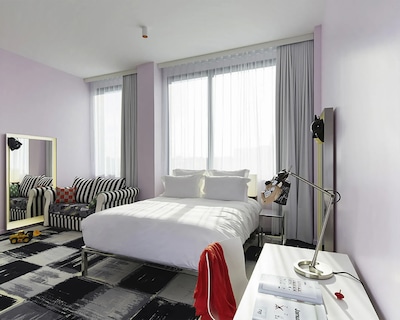
Service is included in French restaurant bills, and rounding up is a courtesy rather than an obligation. Ask for une carafe d’eau to get free tap water. Tasting visits at châteaux usually need a booking, and drivers should ask for the spittoon or choose a small-group tour with a professional driver. For hotels with a good table on site, the InterContinental Bordeaux and Mama Shelter both have restaurants and bars, and Mama Shelter’s rooftop is a pleasant place for an aperitif.