The Wang Theatre on Tremont Street is one of the great survivors of Boston's golden age of live entertainment, a lavish movie palace turned performing arts center with thousands of seats and a lobby fit for royalty. A behind-the-scenes tour takes you beyond the audience view into the spaces most guests never see, with a guide to explain the architecture, the history and the working life of a major theater.
Opened in the 1920s as a grand movie and vaudeville palace, the theatre was designed to overwhelm visitors with luxury, and it still does. The ornate lobby, the sweeping staircases, the gilded plasterwork and the vast auditorium make it one of the most impressive historic interiors in New England. It is among the largest theaters in the city, and its scale is part of the thrill: standing on the stage and looking out at the empty rows gives a sense of what performers feel before a full house.
A behind-the-scenes tour typically shows you both sides of the curtain. You might walk through the grand lobby and lounges, see the main house from different angles and learn how the building has changed with the entertainment industry, from silent films and live acts to touring Broadway productions, concerts and ballet. Guides share stories about famous performers, restoration efforts and the practical tricks that keep a century-old theater running, including lighting, rigging and the backstage routines that happen before every show.
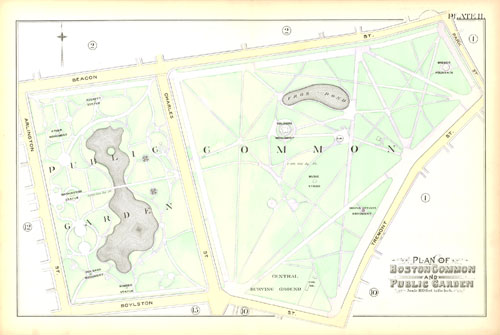
The theatre is part of a larger performing arts campus, and the neighborhood around it is worth exploring. Tremont Street runs through the heart of the Theater District, close to Boston Common, Chinatown and the shops of Downtown Crossing. A tour fits neatly into a morning or early afternoon before lunch in Chinatown or a walk across the Common. Check the schedule in advance, because tours depend on the theater's performance and rehearsal calendar and may run only on certain days.
Accessibility and practical details are worth confirming when you book. Historic buildings often have stairs, and tours may involve some walking, so ask the venue about step-free options if you need them. Photography rules vary, and some areas may be off limits when a production is in progress. Dress comfortably, arrive a little early and bring any questions, because guides tend to enjoy talking about the building as much as the shows.
Historic theaters are full of small details that reward a slow look: carved ceilings, gilded railings, painted murals, brass fittings and ornate lighting that were all meant to impress a ticket buyer the moment they walked in. Ask your guide about restoration work, since keeping such a building in shape is a continuing project, and about the technical side of putting on a touring show, from loading in scenery to the careful choreography of lighting cues. If your trip includes an evening performance elsewhere in the Theater District, the tour gives you a new way to appreciate the craft that happens before the curtain rises.
This tour is a good choice for architecture lovers, theater fans, families with older children and anyone who wants a quieter indoor activity that still feels special. If you also plan to see a performance at the theatre, taking the tour first adds a layer of appreciation, because you will notice details in the ceiling, the boxes and the stage that you might otherwise miss.
What to expect
The experience
A guided tour of a historic theater, covering the grand public spaces and areas behind the scenes that audiences rarely see.
Best time
Any season; check the calendar, since tours depend on rehearsals and performances.
How long
About an hour.
Tips
Confirm tour days in advance, ask about step-free access, and check photography rules before you go.
Quick picks
- Best for
- Theater lovers and architecture fans.
- Families
- Best for older children who can stay interested in a guided walk; confirm age policies with the venue.
- Couples
- A distinctive, atmospheric indoor activity for couples.
- Pair with
- A walk across Boston Common or lunch in Chinatown nearby.
- Time needed
- About an hour, plus travel time.
Good questions
Where is the theatre?+
It is on Tremont Street in Boston's Theater District, close to Boston Common and Chinatown.
What will I see?+
Typically the grand lobby, the main auditorium and areas behind the scenes, with a guide explaining the building's history.
Are tours offered every day?+
Not always. Tours depend on the theater's performance and rehearsal calendar, so check available dates.
Is it accessible?+
Historic buildings can have stairs, so ask the venue about step-free options before you book.
Can I take photos?+
Rules vary, and some areas may be restricted during productions, so follow your guide's instructions.