The West End Museum tells the story of a close-knit Boston neighborhood that was changed forever by urban renewal. Through photographs, artifacts and community voices, it shows what life was like before the bulldozers and what the loss meant. It is a small, thoughtful museum that adds a human dimension to the city's history.
The West End was once a dense, lively neighborhood of immigrants and working families, with tenements, shops, churches and social clubs. In the middle of the last century, the city cleared much of it as part of a large urban renewal project, displacing thousands of residents and reshaping the area. The museum preserves memories of that community and explores how and why it was erased, offering a case study in how cities grow and who bears the cost.
Exhibits typically combine historic photographs, documents and personal objects with video and oral histories. You see maps of the old streets, pictures of families on stoops and market stalls and tools from local trades. Panels explain the planning decisions and the political climate, and the voices of former residents bring the story to life. The museum is small enough to explore in an hour, but the material is rich enough to prompt reflection long after.
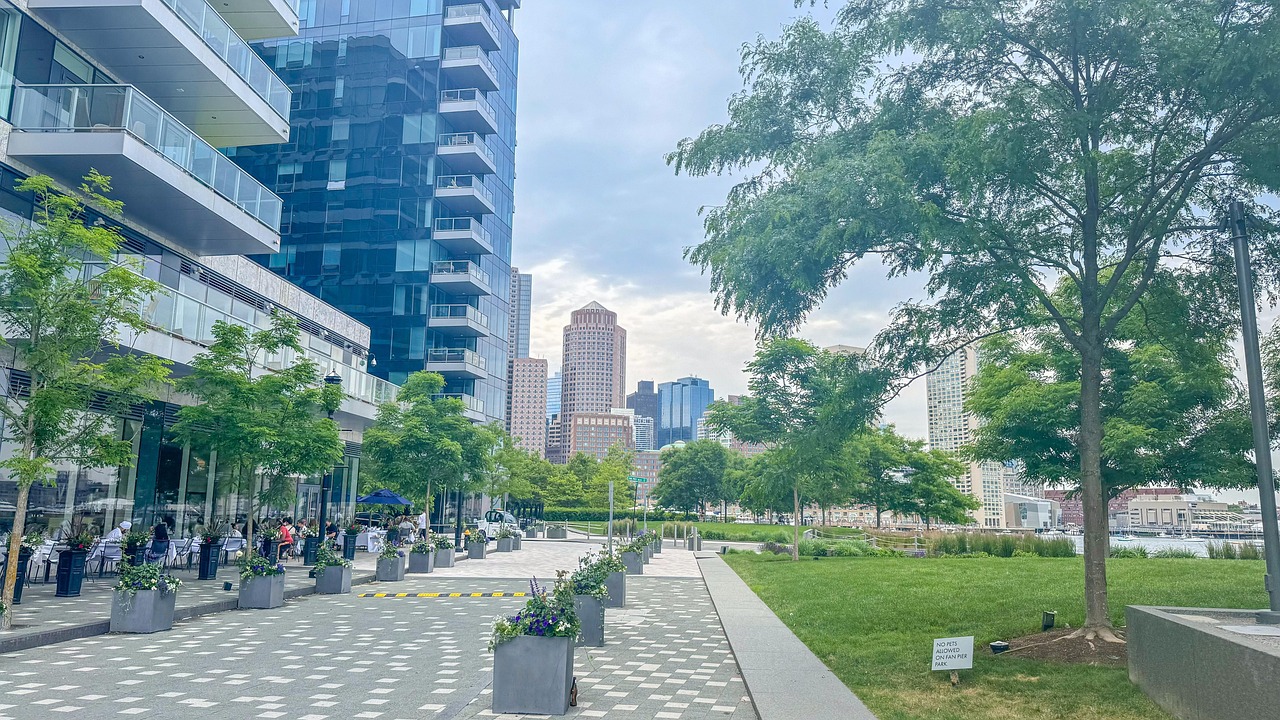
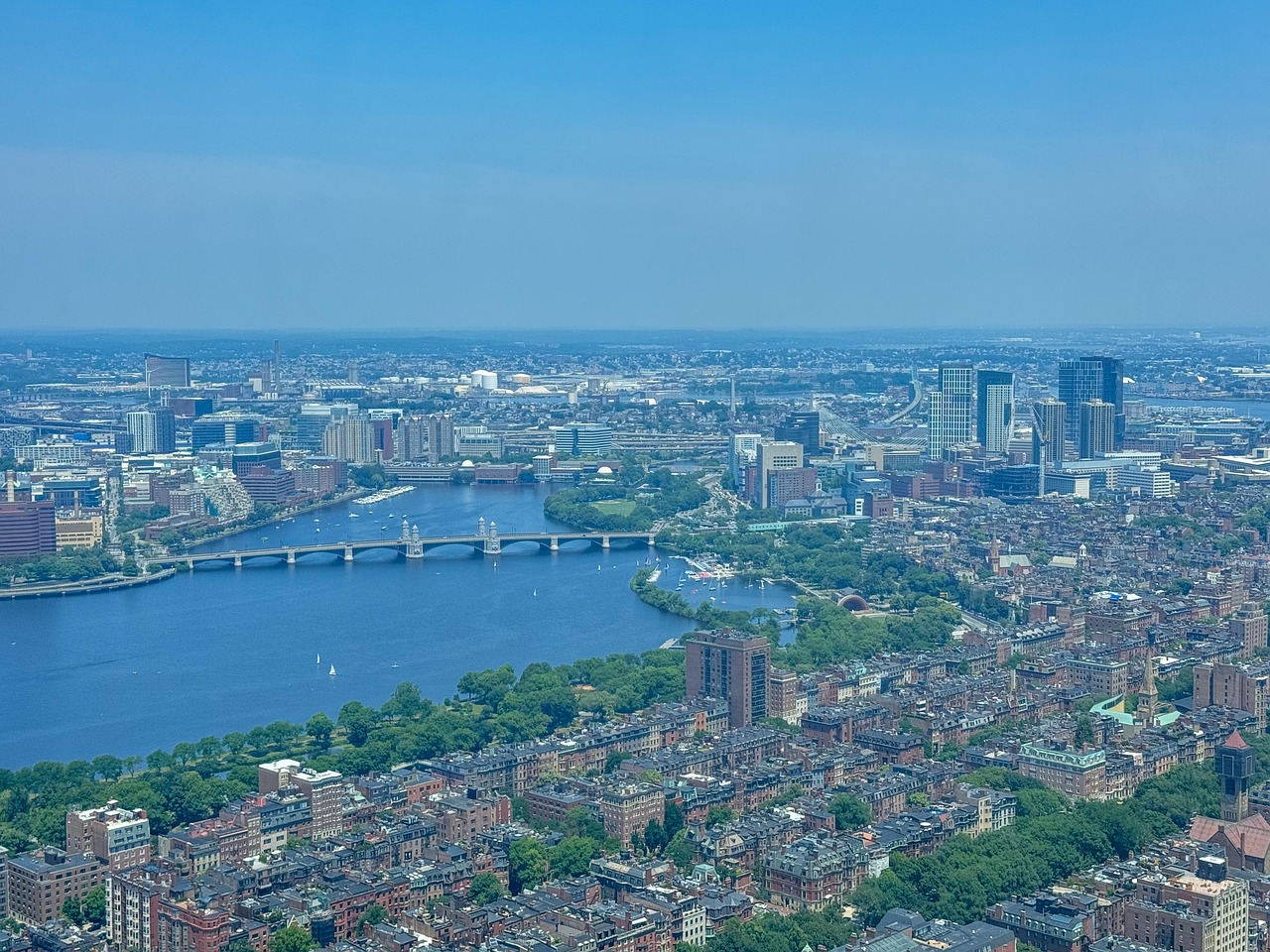
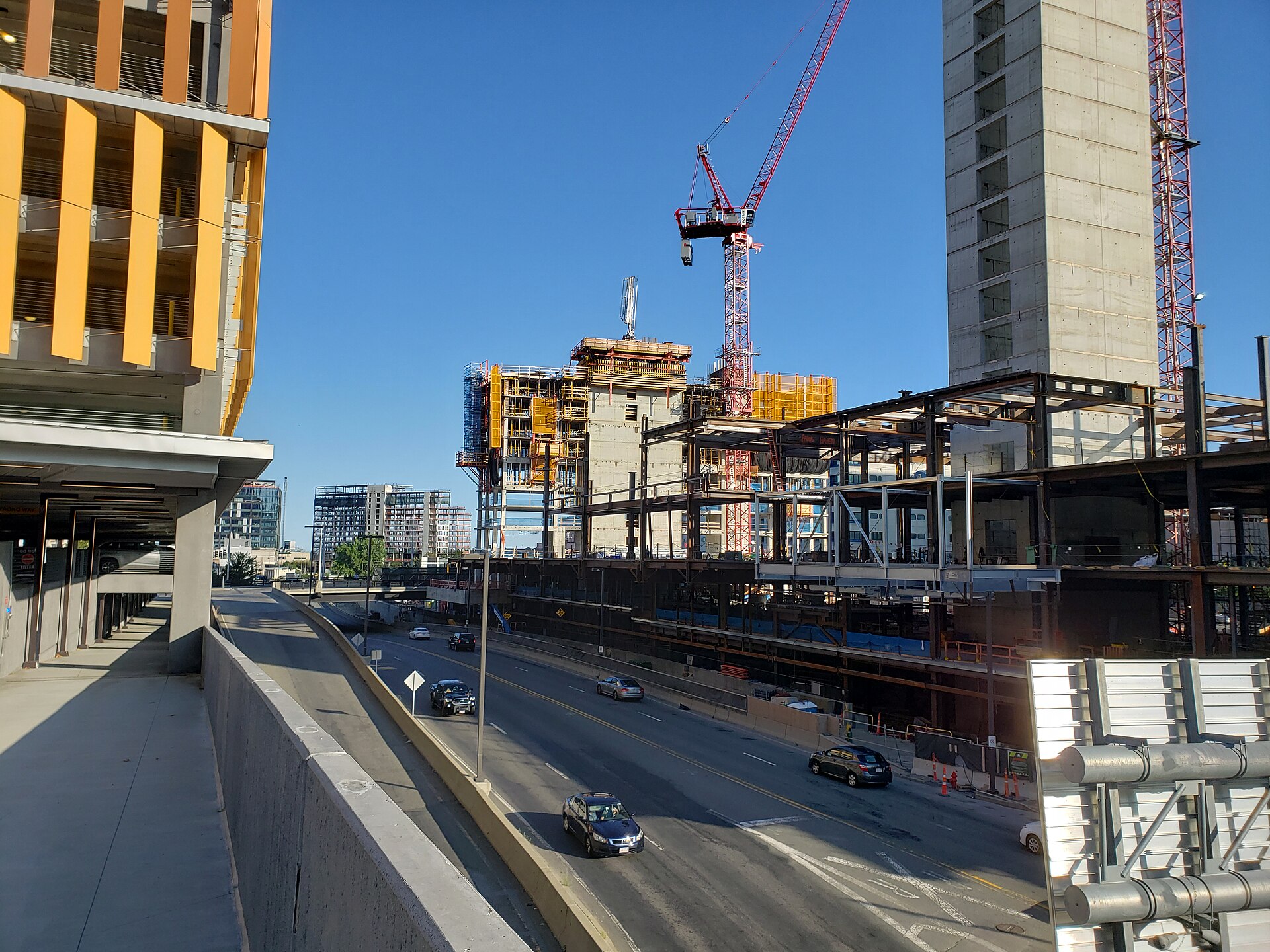
The location adds interest. The museum sits near TD Garden and the modern buildings of the area, so stepping outside after your visit gives a striking contrast between the neighborhood you have just learned about and the one that replaced it. You can also walk to nearby sights, including the North End and the Charles River, and see how the area has evolved since. Seeing the changes in person gives the exhibits added weight.
Practical details are simple. Check the opening days and hours, since smaller museums can have limited schedules, and consider booking in advance. The museum is suited to adults and older children who enjoy history, and it is generally quiet and easy to navigate. Allow extra time if you like to read every panel or watch the videos, and ask staff about walking tours or special programs that may be offered.
The museum also runs programs that help connect the past to the present, such as talks, walking tours and community events, so it is worth checking what is on during your stay. Staff and volunteers often have personal ties to the neighborhood, and a conversation can add context that exhibits cannot. If you are interested in urban history, ask about related sites around the city, from the former housing blocks to the planning documents that shaped the clearance.
The visit works well with children who are old enough to ask big questions about change, fairness and memory, and it can spark a conversation about how communities remember what they have lost.
The museum pairs well with a visit to other historic sites in the area, such as the Old West Church or the Paul Revere House, and with the Freedom Trail. It is also a good choice for travelers who want a quieter, local perspective on Boston's past, and for anyone interested in urban history, planning or immigration. It is a reminder that the story of Boston includes the neighborhoods that no longer exist.
What to expect
The experience
A small museum with photographs, objects and oral histories telling the story of Boston's West End neighborhood and its transformation.
Best time
Any season; it is a good indoor stop on a rainy day.
How long
About an hour.
Tips
Check opening days, allow time to read the panels and combine it with nearby sights.
Quick picks
- Best for
- History and urban-planning fans and visitors who like local stories.
- Families
- Best for older children and adults who enjoy reading and reflection.
- Couples
- A quiet, thoughtful stop for couples.
- Pair with
- A walk to the North End or a Freedom Trail stop.
- Time needed
- About an hour.
Good questions
What is the museum about?+
The history of Boston's West End neighborhood and its transformation through urban renewal.
Where is it?+
Near TD Garden and the area around North Station.
How long does it take?+
About an hour, longer if you like to read every panel.
Is it good for kids?+
Older children who enjoy history may like it; younger ones may find it quiet.
Are tours available?+
Check with the museum about programs and walking tours.