Bratislava is one of Europe’s easiest capitals to visit. The old town is compact and car-free, the castle is a short climb away, and Vienna is only about an hour upriver. Many people see it on a day trip, but a night or two lets you enjoy it after the day-trippers leave. Here is how to plan it.
How many days
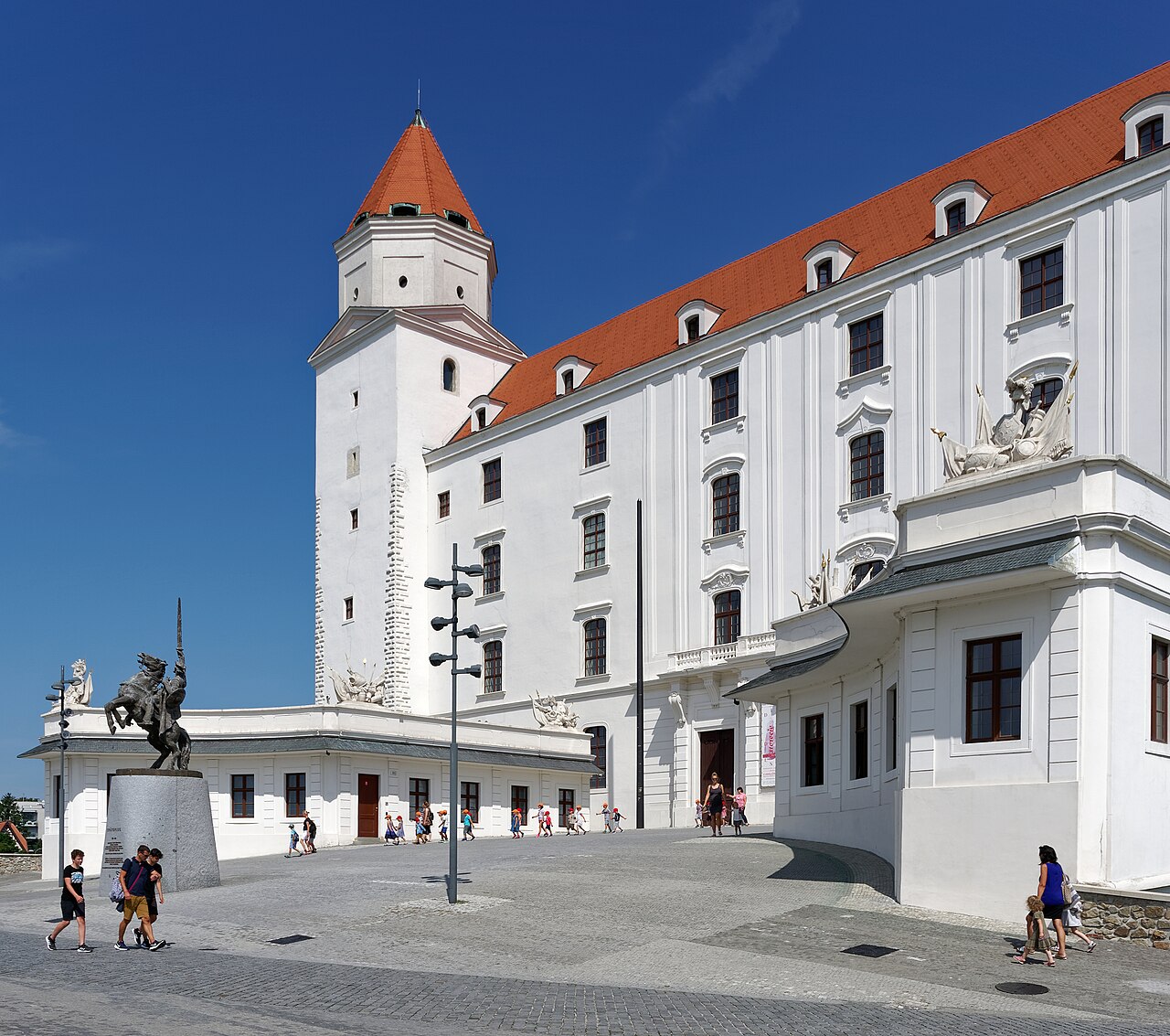
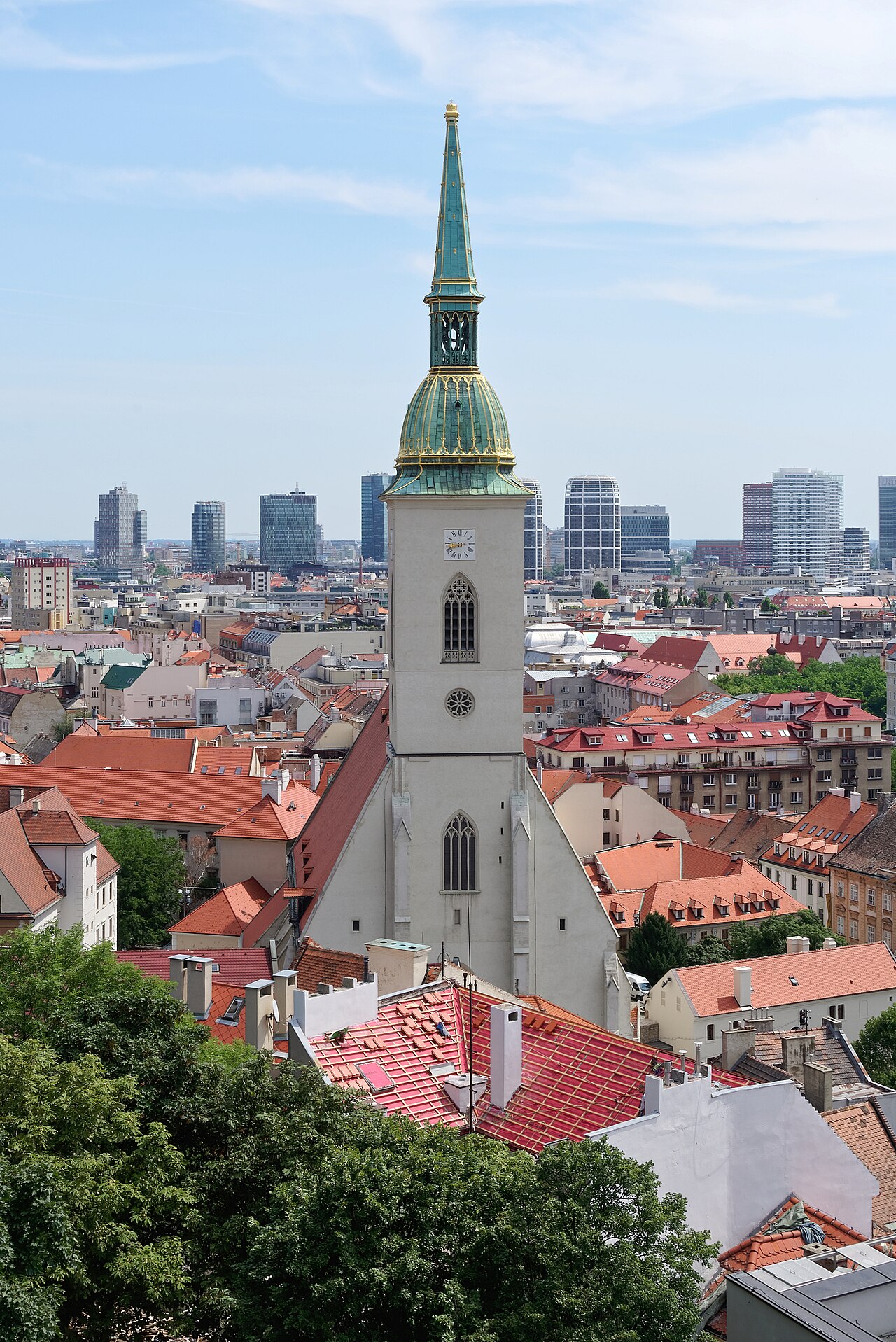
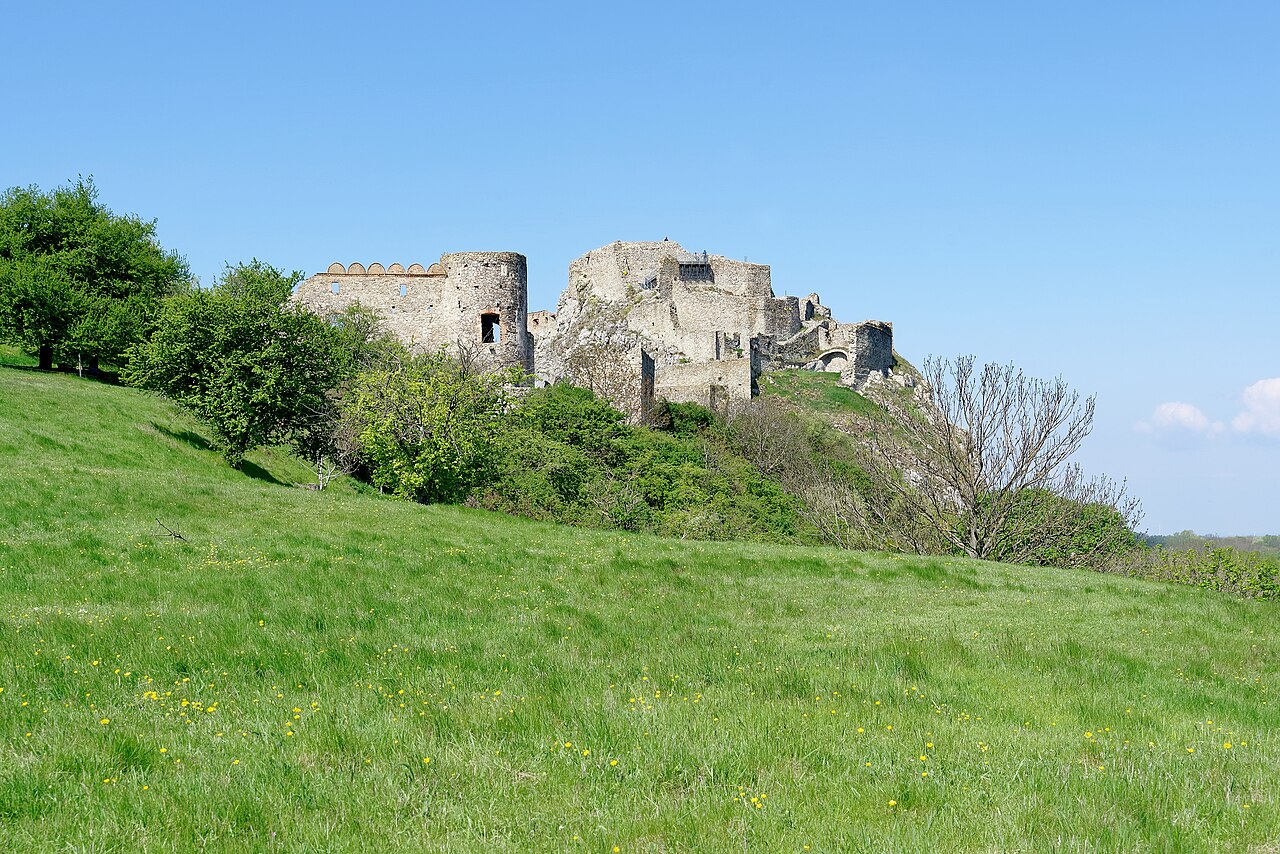
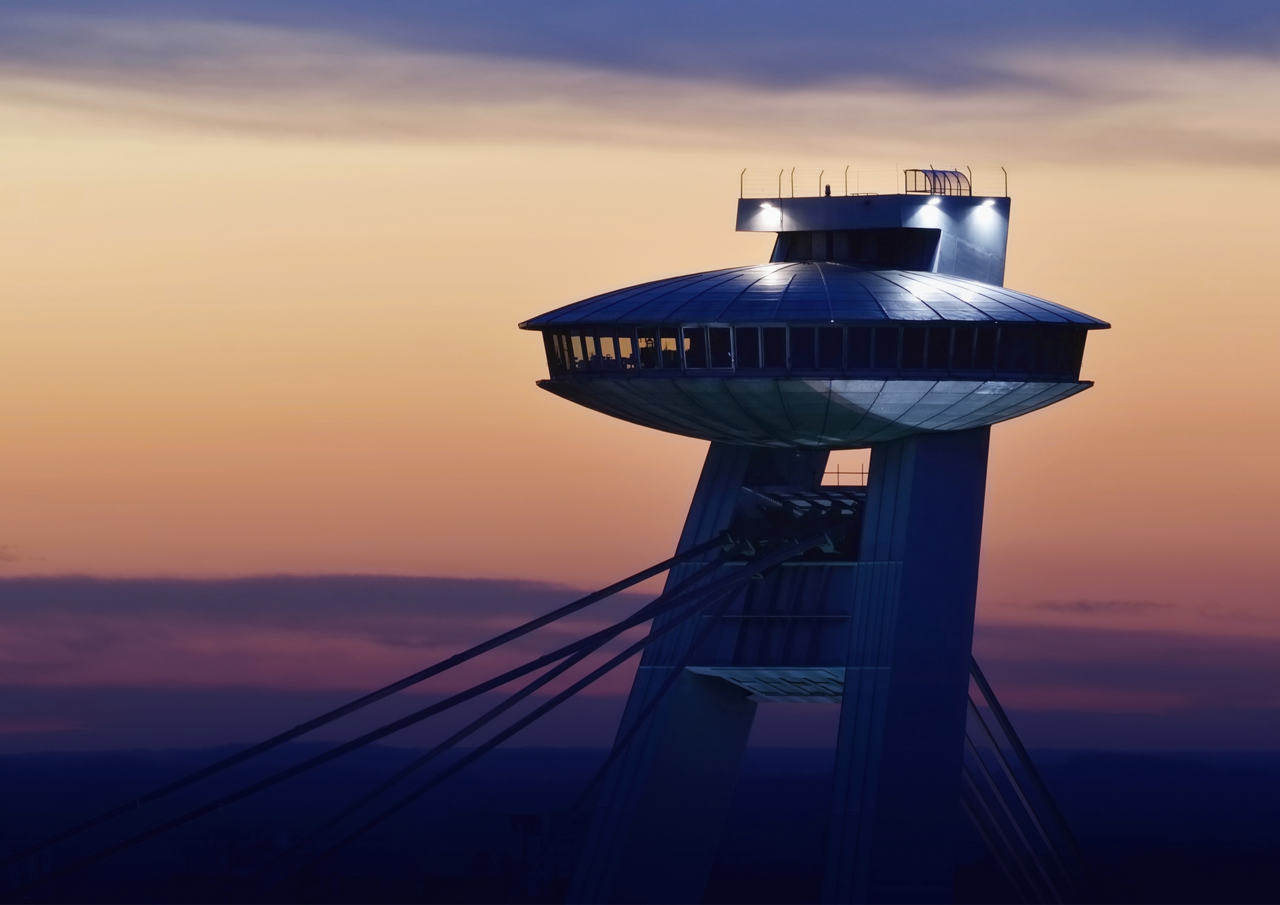
One full day covers the essentials: the old town, St Martin’s Cathedral, Bratislava Castle and a sunset on the UFO observation deck. Two days is the sweet spot, adding Devín Castle on the edge of the city, the Primate’s Palace, the Blue Church and either Danubiana or a long lunch. With three days you can slow down and fit in all the outlying sights without rushing.
What to book ahead
Very little in Bratislava sells out, which is part of its charm. Book the Danube catamaran trip from Vienna early if you want the Advent weekends, and reserve a guided walking tour with castle entry if you like context on day one. The UFO deck sells tickets at the door with no time slots. Restaurants on Friday and Saturday nights, and hotels during the December markets, are the main things to secure in advance.
Watch the closing days
The museum in Bratislava Castle is closed on Tuesdays, while the Primate’s Palace, the Old Town Hall and Danubiana close on Mondays. Michael’s Tower closes on Tuesdays. So put the castle on a Monday and the palace and Danubiana on a Tuesday, and you will avoid disappointment. Churches close to visitors during services.
Getting in from Vienna
Trains run frequently from Vienna’s main station and take about an hour, and buses run from Vienna’s centre and airport. The most memorable option is the Twin City Liner catamaran on the Danube, about an hour and a quarter, which runs daily in the main season, on Advent weekends from late November and at weekends in late winter. If you would rather not organise anything, a guided day tour from Vienna with transport, a walking tour and a city tour by car runs year-round, or you can combine bus and catamaran in one day.
Getting around
Walk. The old town is pedestrianised and nearly everything central is within fifteen minutes on foot. Trams and buses cover the rest; buy a ticket before boarding and validate it. For Devín, take the city bus from the Most SNP stop under the UFO bridge, about half an hour. For Danubiana, take bus 90 from the Nové SND stop behind the new Slovak National Theatre. The Bratislava CARD bundles public transport with free or discounted entry to many museums, including the castle.
Day one: the centre
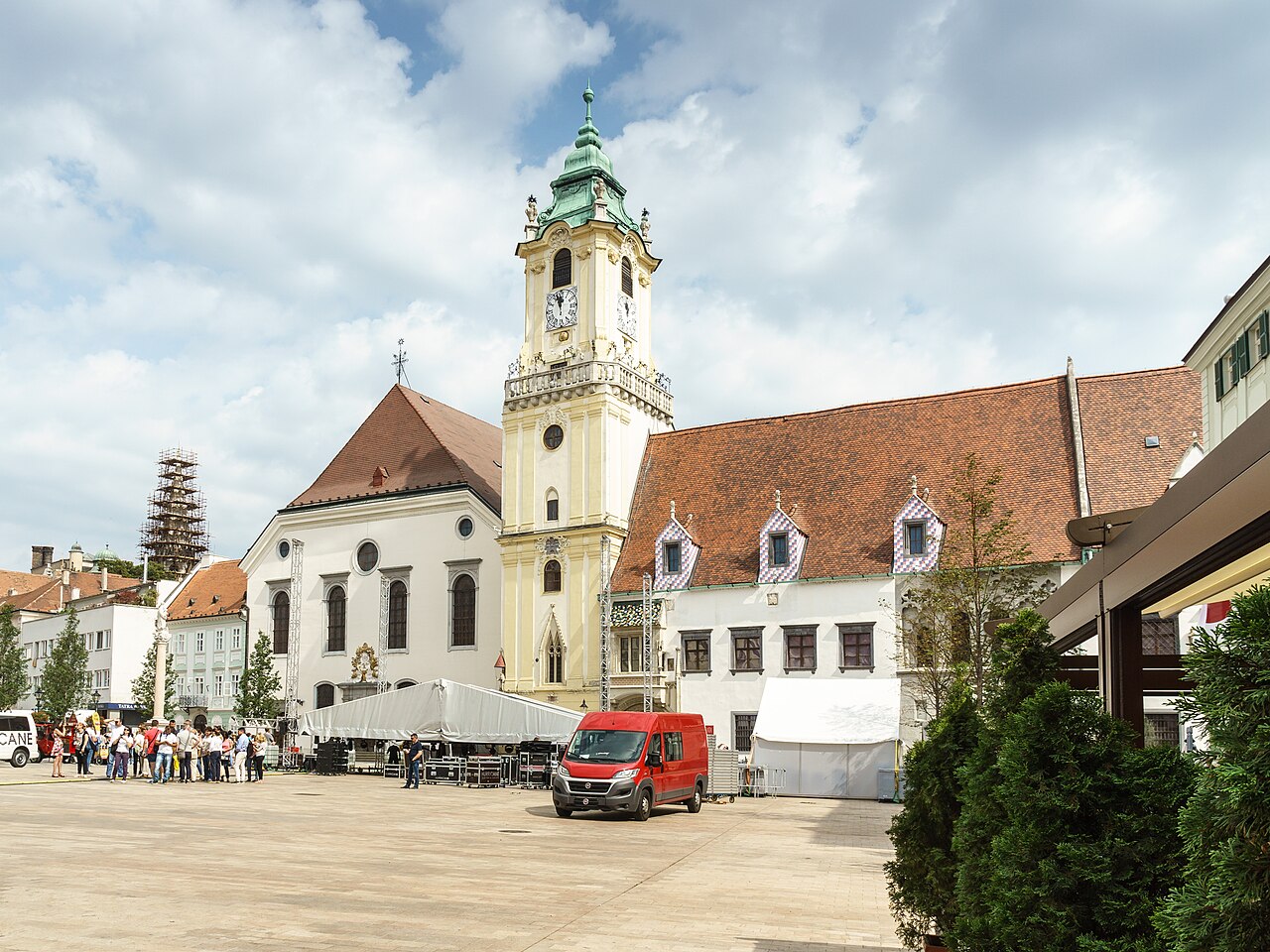
Start at Michael’s Gate and walk down to Main Square and the Old Town Hall, hunting for the bronze statues along the way. Visit the Primate’s Palace for the Hall of Mirrors and the English tapestries, then stroll Hviezdoslav Square to St Martin’s Cathedral, the coronation church. Climb the lanes behind it to Bratislava Castle for the museum and the Crown Tower, then cross the bridge for sunset at the UFO observation deck.
Day two: beyond the centre
Head out to Devín Castle in the morning, where the ruins stand above the meeting of the Morava and the Danube, and walk down to the Gate of Freedom memorial. Back in town, see the Blue Church in the late afternoon, timed for its early-evening opening, or spend the afternoon at Danubiana on its Danube peninsula.
Seasons
Spring and early autumn are ideal: mild, sunny and good for terraces and the riverside. Summer is hot and lively. Winter is cold and often grey, but from late November the Christmas markets fill Main Square and Hviezdoslav Square with stalls, mulled wine and local food, and it is a lovely time for a short break. Devín keeps shorter winter hours and can close in icy weather.
Money and manners
Slovakia uses the euro, and cards are widely accepted. English is common in hotels, restaurants and among younger people. Tipping around ten percent for good service in restaurants is normal. Try bryndzové halušky, potato dumplings with sheep’s cheese, and a glass of wine from the Small Carpathian vineyards just north of the city.