Before Brighton was a fashionable resort it was Brighthelmstone, a working fishing town, and the Brighton Fishing Museum keeps that older story alive. It sits in one of the arches on the seafront promenade, close to the spot where fishermen have hauled boats up the shingle for centuries. Inside you find an old clinker-built wooden fishing boat, nets, tackle and tools, photographs of the beach as it used to look and displays about the families who made their living from the sea. The museum is run on a community basis and is free to enter, though donations are welcome, and the volunteers who staff it are happy to chat about the town's maritime past. It is not a large museum, and most people see everything in half an hour, but it adds a layer of local history that most visitors to Brighton miss. It also gives a very different view of the beach: not a place for leisure, but a workplace, where boats were launched in all weathers and catches were sold directly from the shingle.
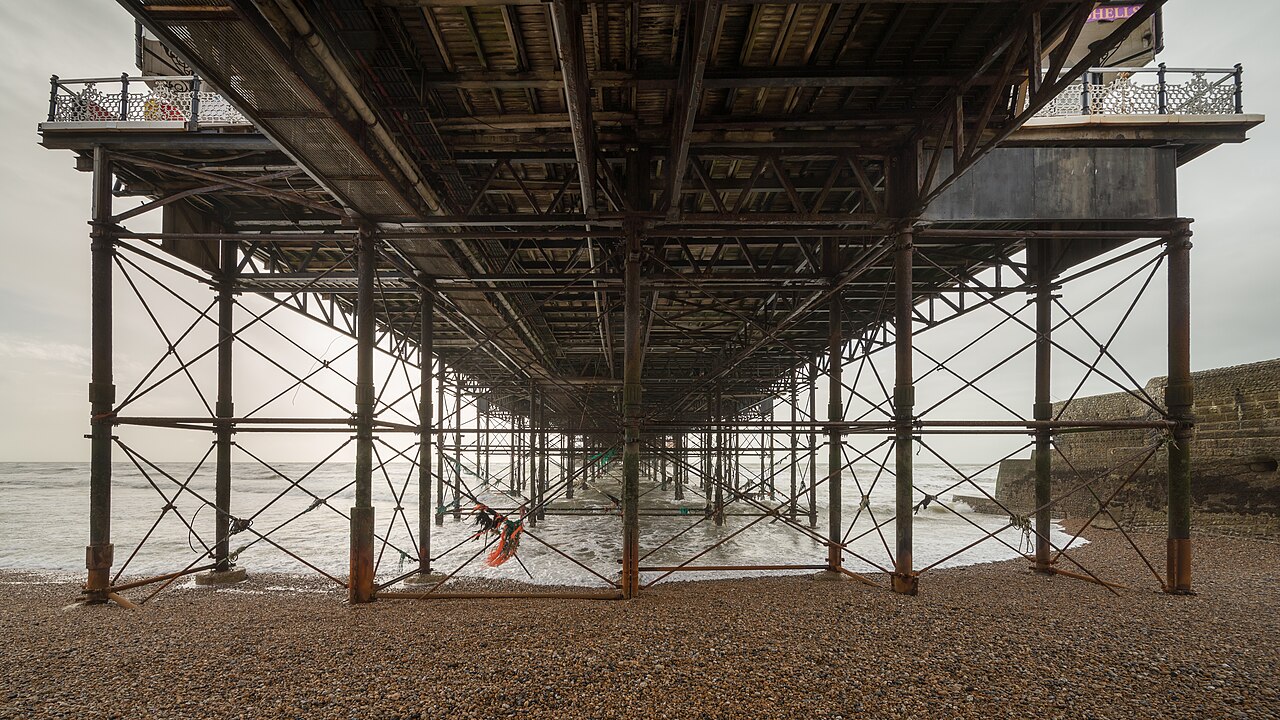
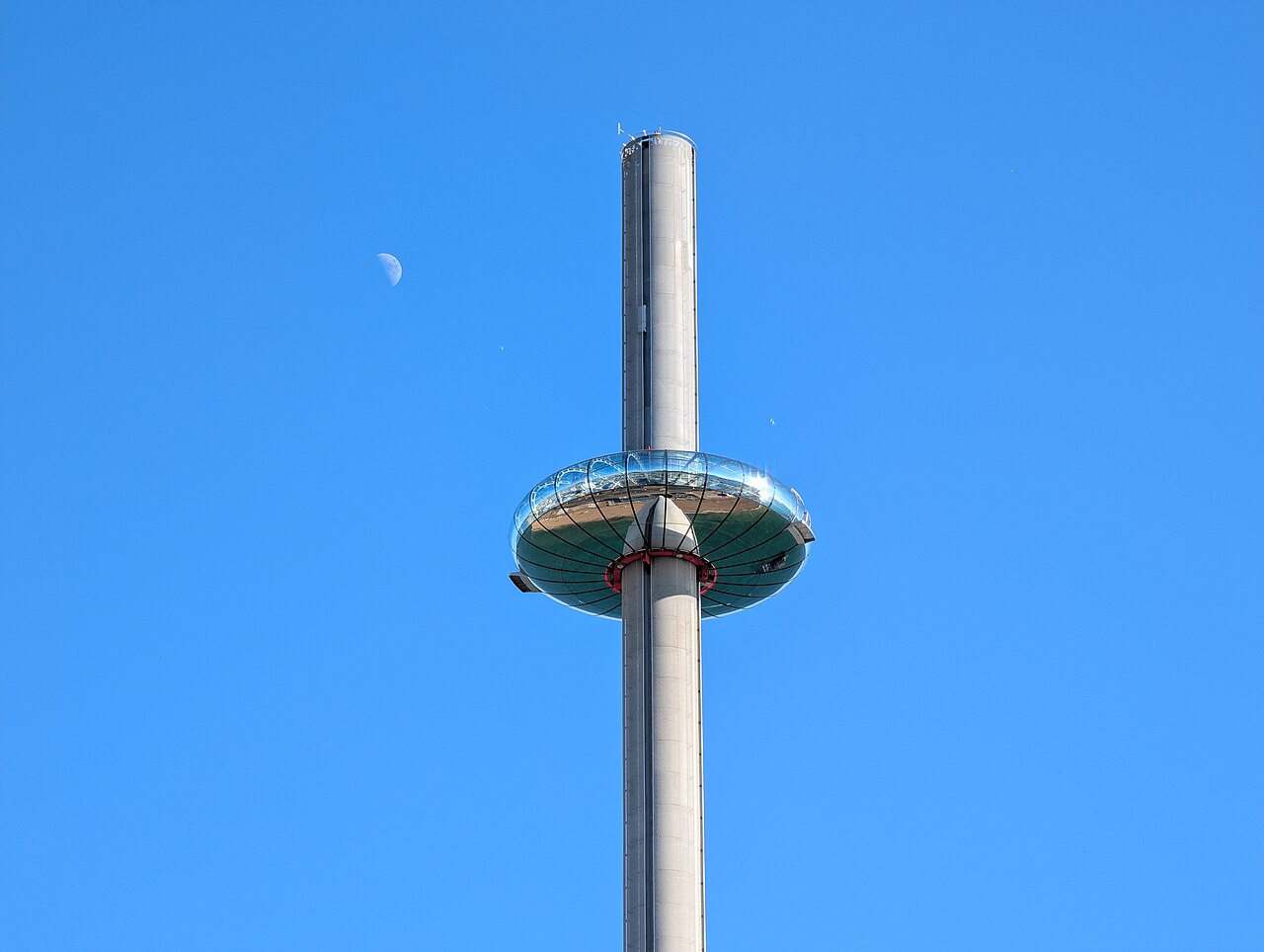
The museum stands in the area known as the Fishing Quarter, between the Palace Pier and the i360, where the arches under King's Road have long been used by fishermen to store their gear. That working link survives. You can often see fishing boats pulled up on the pebbles outside, and some seasonal stalls sell fresh fish and shellfish nearby. A visit combines easily with a seafront walk, and the museum's position makes it a natural stopping point between the two piers.
Opening patterns depend on volunteers and on the season, so check before you set out. The museum is generally more reliably open in the warmer months and at weekends, and hours can shorten in winter or during bad weather. Because it is free, there is no ticket to book.
Allow about thirty minutes, or longer if you like reading old photographs and captions. It is small, so it can feel crowded when a group arrives, and the floor is a mix of surfaces that may be awkward for wheelchairs, so ask the volunteers or the tourism board about access before you go.
Look for material on the catches that supported the old town, such as mackerel and herring, and on the wider story of the beach and its boats. The history of the beach boats helps explain why Brighton's streets are named as they are, and why the Lanes grew up as a tangle of narrow alleys, originally the fishermen's settlement. The museum's boat is the centrepiece, and children usually enjoy seeing something real and large inside such a small space.
Combine your visit with a meal at one of the nearby fish restaurants or beach shacks, where the connection between sea and plate is a little more than a slogan. Fish and chips from a takeaway on the promenade will taste better after you have seen the boats that once fed the town.
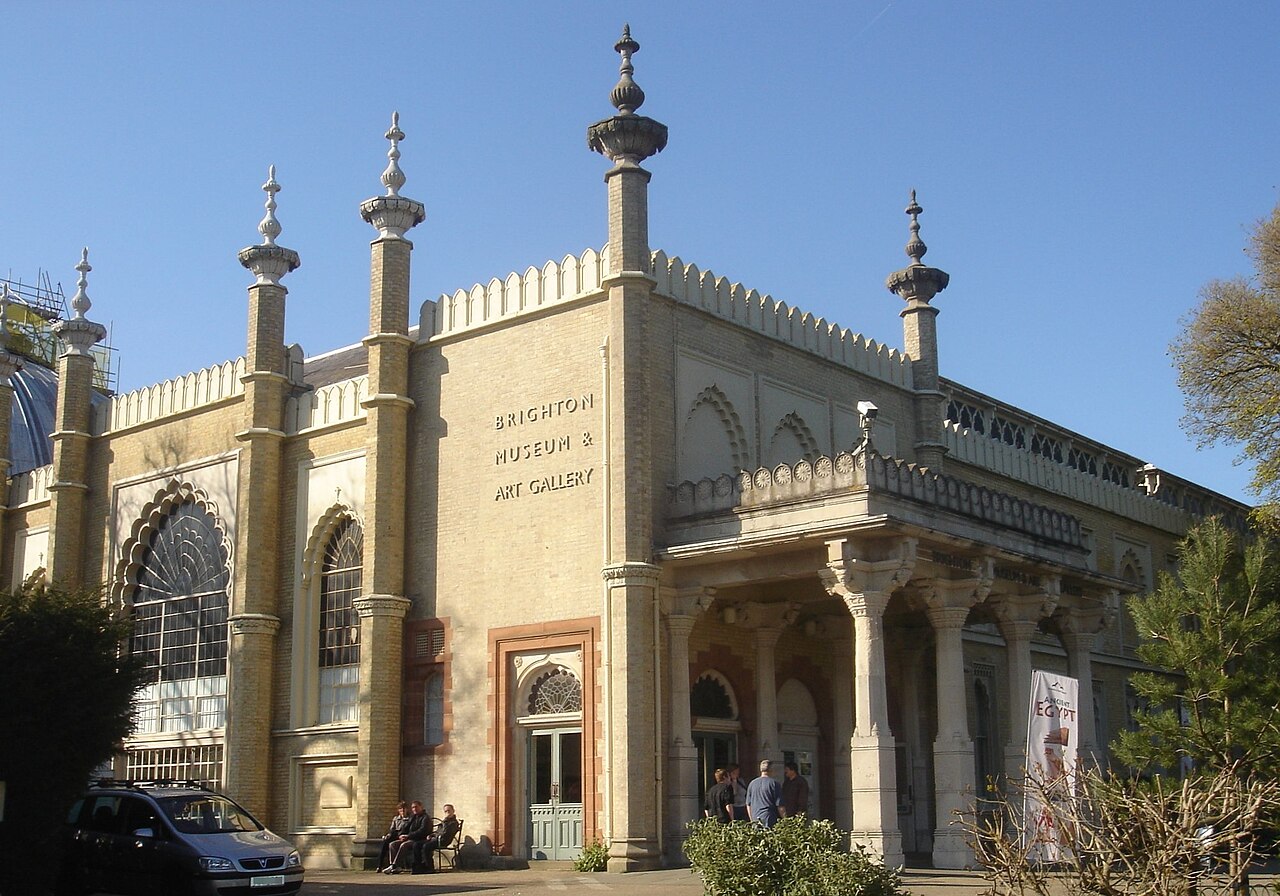
For a longer outing, add the Brighton Museum and Art Gallery or the Royal Pavilion, which show the other side of the city, the royal and artistic one that grew up beside the fishing community. Visiting in the early part of the day gives you thin crowds and soft light on the beach.
What to expect
The experience
A small volunteer-run museum in a seafront arch, with a historic fishing boat, tools, nets and photographs.
Best time
Late morning on a day when the volunteers are in, usually easier to find open in the warmer months and at weekends.
How long
About half an hour, a little longer if you like reading the photographs and captions.
Tips
Check opening before you go, leave a donation if you enjoy it, and combine it with a seafront walk and fish and chips.
Quick picks
- Best for
- Curious visitors, history lovers and anyone who wants to see the working side of Brighton's past.
- Families
- Children enjoy the real boat and the nets, and the free entry keeps it stress-free.
- Couples
- A quiet, quirky stop on a seafront stroll, followed by seafood or a drink nearby.
- Pair with
- The Palace Pier, the beach and a fish and chips supper.
- Time needed
- Allow 30 to 45 minutes.
Good questions
Is the Brighton Fishing Museum free?+
Entry is free, although donations are welcome. The museum is run on a community basis and relies on volunteers.
Where is the museum?+
It is in an arch on the seafront promenade in the Fishing Quarter, between the Palace Pier and the i360.
How long does a visit take?+
Most visitors need about half an hour. It is a small museum, so it makes an easy stop on a longer seafront walk.
Is it open all year?+
Opening times depend on volunteers and the season, with more reliable hours in the warmer months. Check before you travel.
Is it suitable for children?+
Yes, the boat and the tools are real and interesting for children. The space is small, so keep an eye on young ones.