East Java has a tropical monsoon climate with a clear dry season and wet season, but altitude changes the picture. The lowlands around Surabaya are hot and humid all year, while the Bromo and Ijen highlands are cool to cold. Choosing when to go affects visibility, comfort and crowds, so it is worth understanding the pattern.
The dry season
From roughly April to October, rainfall is low, skies are clearer and the roads are more reliable. This is the best time for the Bromo sunrise, the Ijen blue fire and most waterfall visits. The trade-off is that nights in the highlands are cold, with temperatures near freezing at Bromo in the peak of the dry season, from June to August, and busy viewpoints. It is also the busiest period for visitors.
The wet season
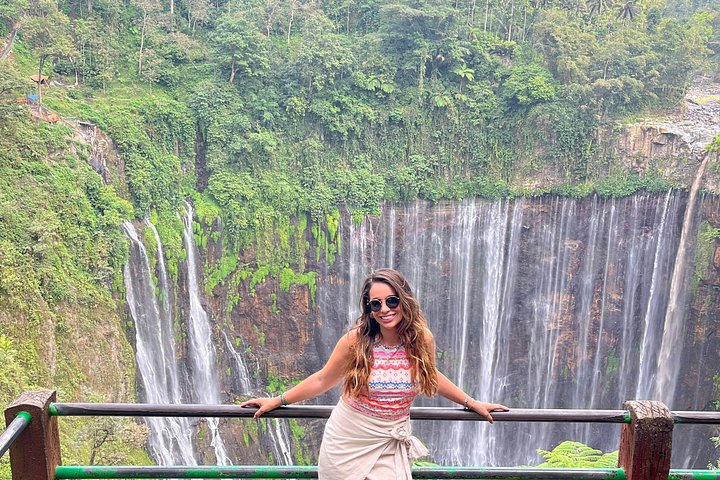
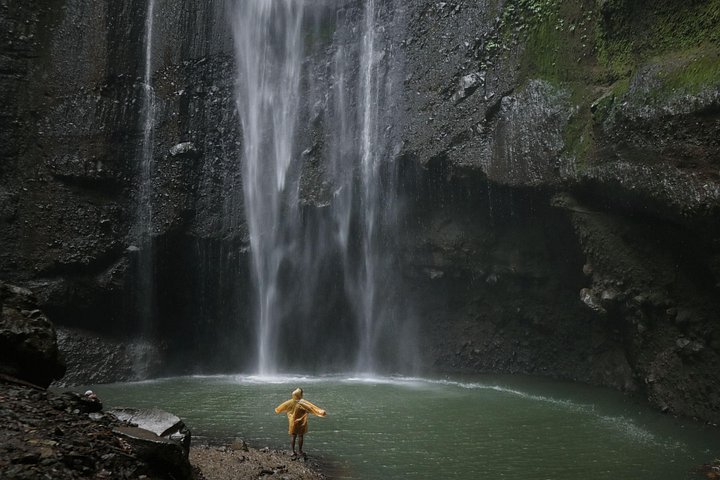
From roughly November to March, rain is frequent, particularly in the afternoon and evening. Mornings can still be clear, but cloud often hides the sunrise, trails are muddy and the roads can be slow. The upside is that waterfalls such as Tumpak Sewu and Madakaripura are at their fullest, the landscape is green and crowds are lighter. Access to some waterfalls may be restricted after heavy rain.
The shoulder months
April, May and October are often a good balance. Rain is lighter, temperatures are less extreme and the crowds are smaller than in July and August. The transitional weather is less predictable, so keep some flexibility.
Temperature at altitude
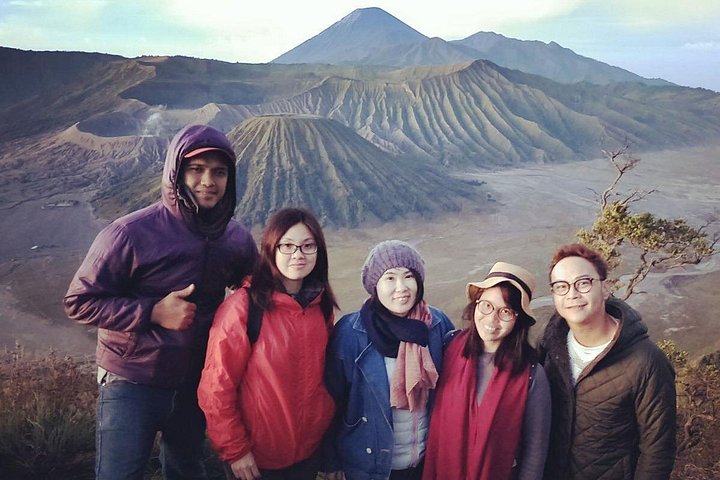
Bromo's viewpoints sit above 2,000 metres, and Ijen's rim is also high. Before dawn, expect temperatures from about 3 to 10 degrees Celsius in the dry season, and a bit warmer in the wet season. Wind adds to the chill. Bring thermal layers, a warm jacket, gloves and a hat regardless of the month.
Crowds and school holidays
Indonesian school holidays and public holidays, including the long weekends around Idul Fitri, Christmas and New Year, bring large numbers of domestic visitors. July and August are busy with international travellers. At these times, the Bromo viewpoint is packed, hotels fill up and prices rise. Weekdays are quieter than weekends all year.
Festivals
The Yadnya Kasada festival is the most famous event in the area. The Tengger people make offerings of food, flowers and livestock at the Bromo crater rim, and the date follows a traditional calendar, usually falling in the dry season. During the festival, access for visitors may be restricted or very crowded, so check the dates if you are planning around it. Local events and cultural festivals take place in Banyuwangi through the year as well.
Volcanic activity
Bromo, Ijen and Semeru are active volcanoes, and activity can change access at any time of year. Authorities may close the crater rim or restrict hiking when gas levels or eruptions are a concern. This is unrelated to the season, so check the status before you go and choose an operator with a clear policy.
Best month for each sight
For the Bromo sunrise, May to September has the clearest mornings. For the Ijen blue fire, the dry months give the best visibility, though the flames can be seen in other months if the sky is clear. For waterfalls, the wet season shows the greatest flow, while the dry months make the trails safer. For the coast, the calmer seas of the dry season are better for boat trips.
Rain and your gear
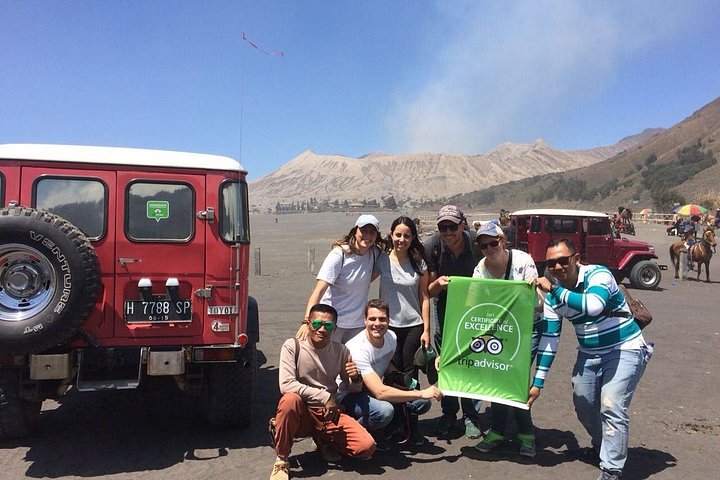
In the wet season, a light rain jacket, a waterproof bag for electronics and quick-drying clothes make a big difference, and trekking shoes with deep tread help on muddy trails. Roads to waterfalls and the Ijen plateau can be slow after storms, so allow extra time and avoid tight connections on the same day. In the dry season, dust becomes the main nuisance on the Sea of Sand, so a buff or mask is worth packing.
Planning tips
If you can choose, aim for May, June or September. Book a few days of flexibility, in case cloud or closures force a change. Pack for both cold and wet conditions whatever the month. Carry a waterproof bag for electronics, and keep your plans simple, with one big early start followed by a rest day. A realistic schedule is the best insurance against bad weather.