Few natural sights in the world are as strange as the blue fire of Ijen. In the dark, on the floor of a sulphur crater in East Java, flames of electric blue flicker along the ground, and above them hangs a cloud of pale gas. It is an unforgettable spectacle, but it comes with a demanding trek, real hazards and some ethical questions. This guide explains what to expect.
What the blue fire is
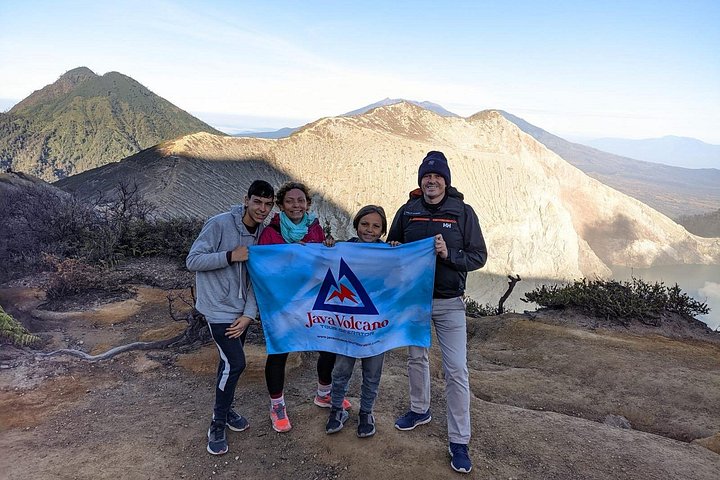
The flames are burning sulphurous gas. Sulphur-rich gases escape from cracks in the crater floor at high temperature, ignite on contact with air and burn with a blue flame that is almost invisible in daylight. The effect is strongest in the hours before dawn. Nearby, the crater holds a lake of turquoise water, one of the most acidic in the world, which glows in the first light.
Where it is
Kawah Ijen lies on the border of the Banyuwangi and Bondowoso regencies in the far east of Java. The trailhead is at Paltuding, about an hour and a half to two hours by road from Banyuwangi. Most visitors stay in Banyuwangi or on the plateau, and tours collect them around midnight.
The climb
The path from the trailhead to the crater rim is roughly three kilometres and takes about an hour and a half to two hours. It rises steadily on a broad track, which is steep in places but not technical. It is cold and dark, so a headlamp is needed. Gentle pacing and regular rests make it manageable for most reasonably fit people. Local porters offer taxi-style carts for part of the way for those who struggle.
The descent to the flames
If the gas conditions are safe, guides lead groups down from the rim into the crater to see the fire. This descent is steep, rocky and slippery, with loose stones and a narrow path. It adds another thirty to forty minutes each way. The air near the flames is harsh, and eyes and throat can sting. Do not go down if you have any lung or heart condition, and obey the guide at all times.
Masks and safety
A proper gas mask or respirator is essential in the crater. Guides usually rent or supply them, but check that the filter is suitable for sulphur gases, and consider bringing your own. A simple cloth or dust mask is not enough. Wind can change direction suddenly, sending gas toward you, so stay with your guide and move away when told. Authorities close the crater when gas levels are too high.
The miners
Ijen is also a working sulphur mine. Miners cut yellow sulphur from the crater floor, load baskets and carry loads of 70 kilograms or more up the steep path and down to the weighbridge. Their work is hard and badly paid, and their health suffers. Treat them respectfully, ask before taking photographs, do not push past them on the path and consider buying a small carved sulphur souvenir directly from them if you wish.
When to go
The dry season from roughly April to October gives the clearest skies and the best chance of seeing the flames. In the wet season, rain, cloud and slippery tracks make the experience harder. The blue fire is visible only in the dark, so you need to reach the crater before dawn. After sunrise the flames fade, but the lake turns a beautiful turquoise and the views are superb.
What to bring
Warm layers, since the rim is cold and windy before dawn; a waterproof jacket; sturdy shoes with good grip; a headlamp with spare batteries; gloves; a mask or respirator; water and snacks; and a small daypack. Wear clothes you do not mind smelling of sulphur afterward. Bring cash for entry fees and for any porter or mask rental.
Who should skip the descent
People with asthma, chronic bronchitis, heart problems or a fear of heights should consider staying on the rim, where the views are still extraordinary. Children, pregnant women and older travellers should seek advice before attempting the trek. The rim at dawn is a perfectly worthwhile goal on its own.
Combining with Bromo
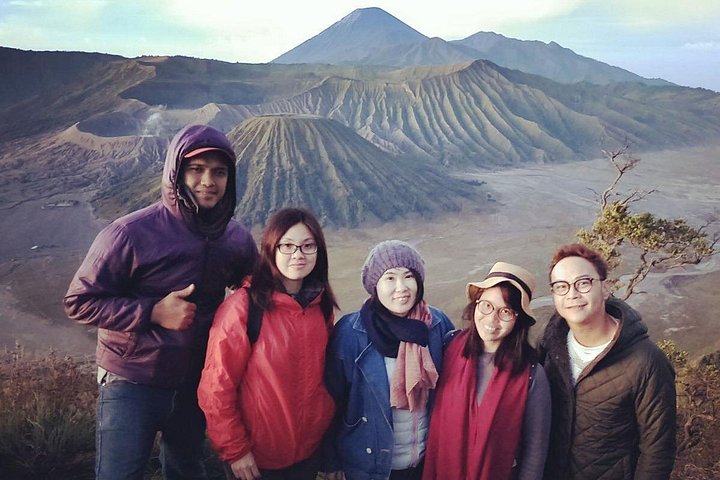
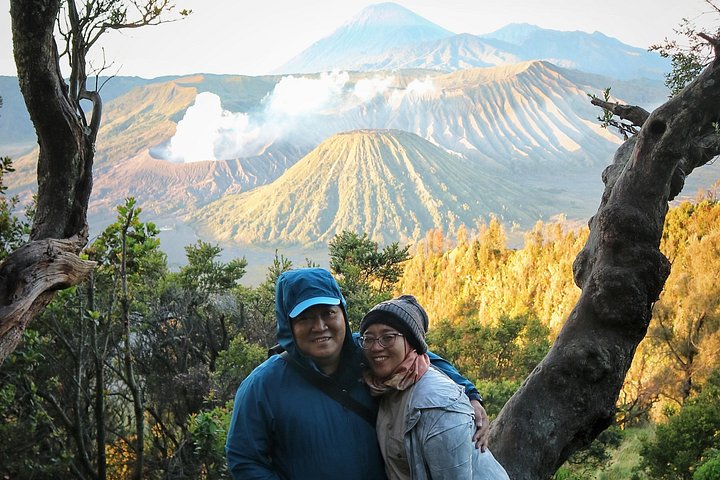
Many travellers link Ijen with Bromo on a two- or three-day tour. That means a very early start for Bromo, a long drive, a short sleep and then the Ijen climb, so build in rest if you can. A three-day itinerary is much more comfortable than a two-day one, and an overland tour that ends in Bali gives you a natural next step after the climb.