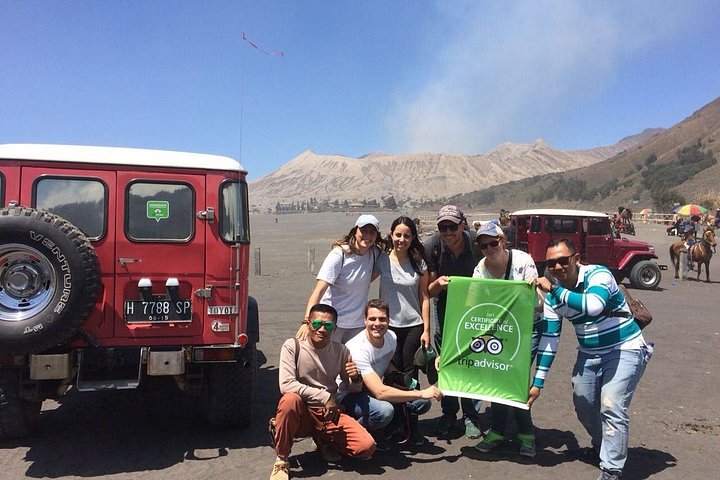
East Java is the part of Indonesia where the volcanoes come to the front. Mount Bromo, with its smoking cone rising from a sea of sand, and the Ijen crater, with its turquoise lake and blue flames, are two of the most photographed natural sights in the country. Around them sit waterfalls, highland towns, tea estates and a coastline that few visitors see. This guide sets out how the region fits together and what to book first.
The main bases
Most travellers use one of three bases. Surabaya is the big city and the main airport, useful for arrivals and onward flights. Malang is a cooler, greener university city that sits closer to Bromo and Tumpak Sewu and has a fine food scene. Banyuwangi, at the far eastern tip of Java, is the gateway to Ijen and the ferry to Bali. The villages near the Bromo caldera, such as Ngadisari and Cemoro Lawang, are the closest places to sleep before a sunrise.
Bromo first
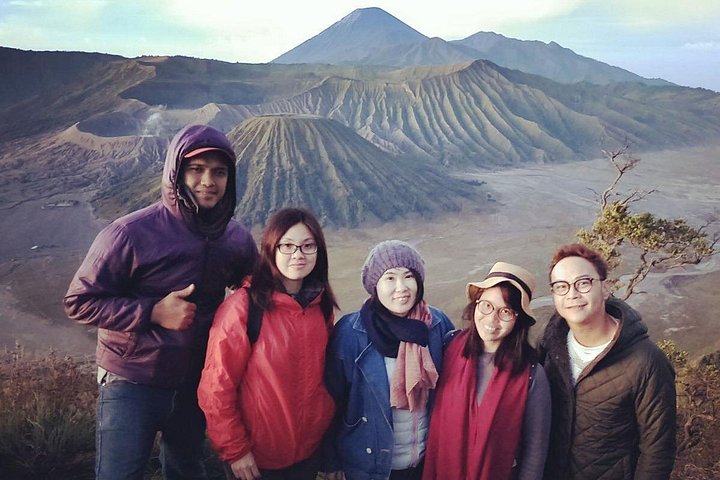
If you only see one volcano, make it Bromo. A sunrise tour takes you to a viewpoint on the caldera rim, across the Sea of Sand by jeep and up a staircase of roughly 250 steps to the crater edge. It can be done as a very long day trip from Malang or Surabaya, or more comfortably as part of a two-day tour with a night in the highlands. The key choices are the starting city, whether to share or hire a private jeep and whether to stay overnight nearby.
Ijen second
The Ijen crater is a harder adventure. The trek begins in the middle of the night, climbs for about an hour and a half to two hours along a steady path and ends at a crater rim where you can see a lake coloured turquoise by acid. If conditions allow, a guide leads you down toward the blue fire, the glowing flames of burning sulphurous gas. A gas mask is essential, and the experience is physically demanding. Most travellers combine Ijen with Bromo on a two- or three-day tour, or do it as a stop on an overland journey to Bali.
Waterfalls to add
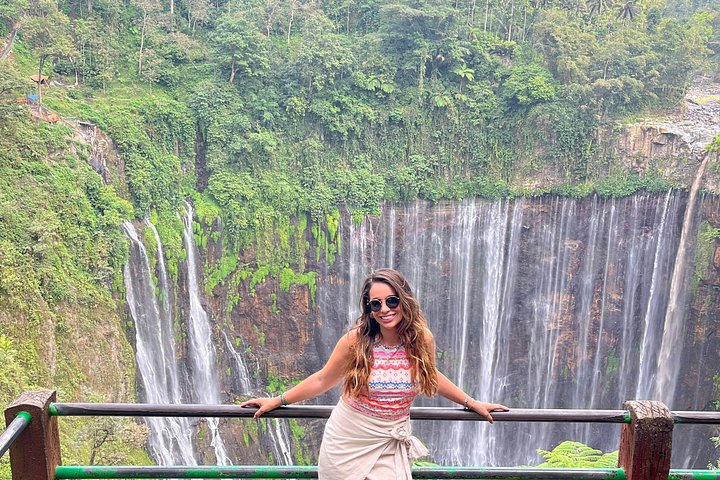
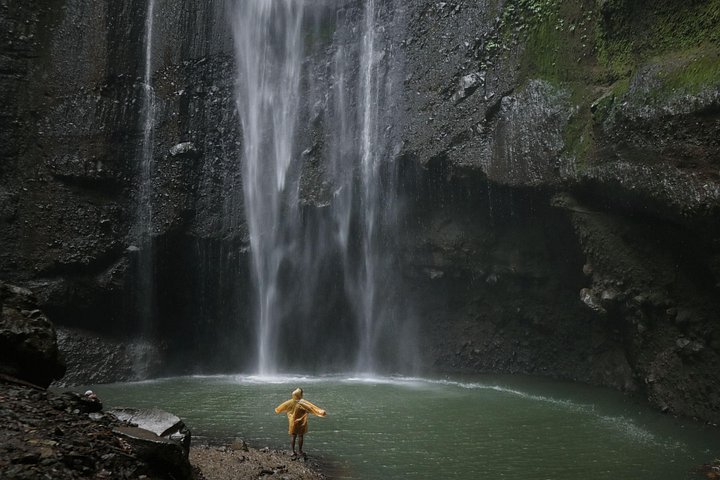
Two waterfalls fit naturally into an itinerary. Madakaripura, near Probolinggo, drops into a misty gorge that you reach by a short wet walk, and many tours combine it with Bromo. Tumpak Sewu, nearer to Malang, is a wide curtain of falls that you can see from a rim viewpoint or by descending a steep path to the base. Each makes a good half-day or day trip.
How many days
With two days you can see Bromo and either Ijen or Tumpak Sewu, though the pace is tight. With three days you can see Bromo and Ijen with a bit of rest, and with four or five days you can add Tumpak Sewu, Madakaripura and a quiet day in Malang or Batu. If you are travelling on to Bali, the overland route from Surabaya through Bromo and Ijen to the ferry is a classic way to do it.
Booking approach
Shared group tours are good value and run daily from Malang, Surabaya and the Bromo villages. Private tours cost more but give you control over the schedule and the viewpoint. Read what is included, particularly entry fees, jeep hire, gas masks and accommodation. Ask about the pick-up time, the meeting point and the cancellation terms. Because volcanoes can restrict access, choose an operator that explains how they handle closures.
Physical preparation
None of the activities is technical, but they are demanding in different ways: very early starts, cold air at altitude, steep stairs, fumes at Ijen and slippery paths at waterfalls. Break in your shoes, bring layers and a headlamp, and be honest about your fitness. Travellers with asthma, heart conditions or mobility limits should take advice and choose the gentler options, such as the daytime Bromo tour or the viewpoint at a waterfall.
Money and logistics
Cash is useful for park fees, small purchases and tips, since card machines are rare in the highlands. Indonesian rupiah is the currency, and ATMs are available in the main towns. Mobile signal is patchy in the mountains, so download maps and keep copies of your bookings. Entry fees for foreign visitors are normally higher than for locals and can change, so ask the operator what is included.
Respect and sustainability
The Tengger people who live around Bromo follow a Hindu tradition and hold the volcano sacred. Dress modestly in villages, ask before photographing people and avoid damaging the vegetation. At Ijen, the sulphur miners work in difficult conditions, so be courteous, ask before taking photographs and do not treat them as a spectacle. Take all your rubbish with you.
A simple plan
For most first-timers, a three-day itinerary works well: arrive in Surabaya or Malang, take a Bromo sunrise tour on the second morning, rest, and then continue to Ijen on the third day or the next night. Add Tumpak Sewu or a food walk in Malang if you have an extra day. Whatever you choose, build in a little slack, because weather, road conditions and volcanic activity can change the plan.