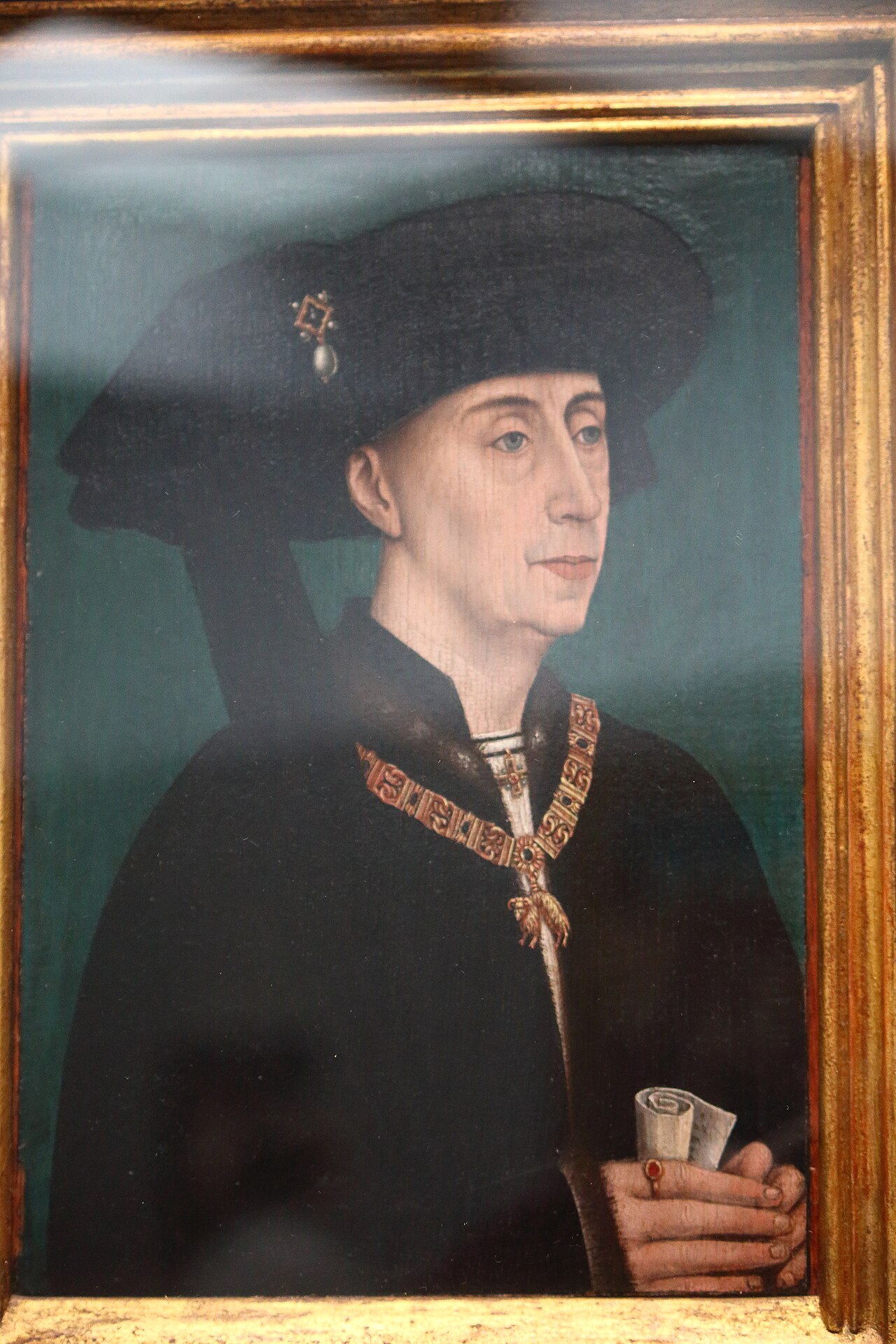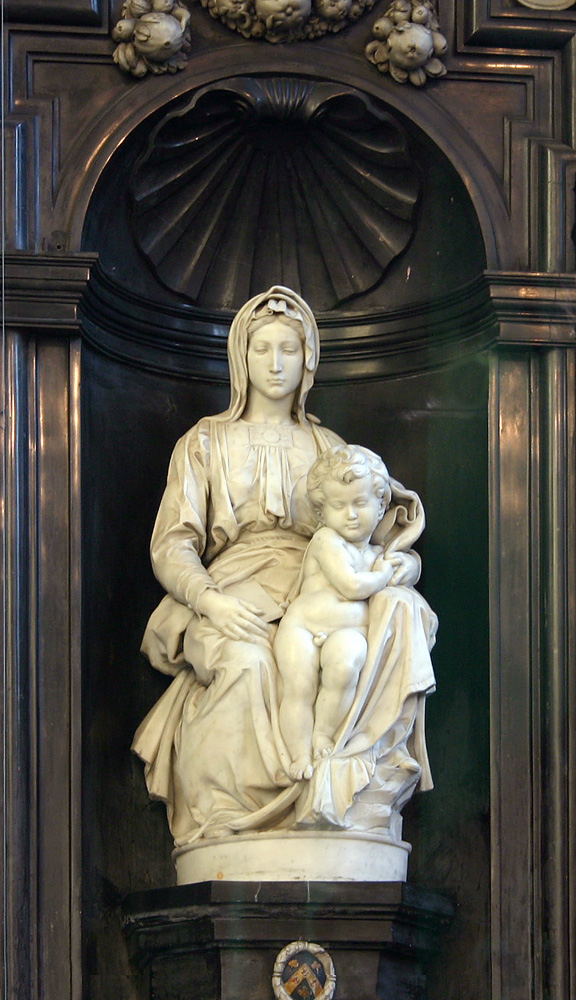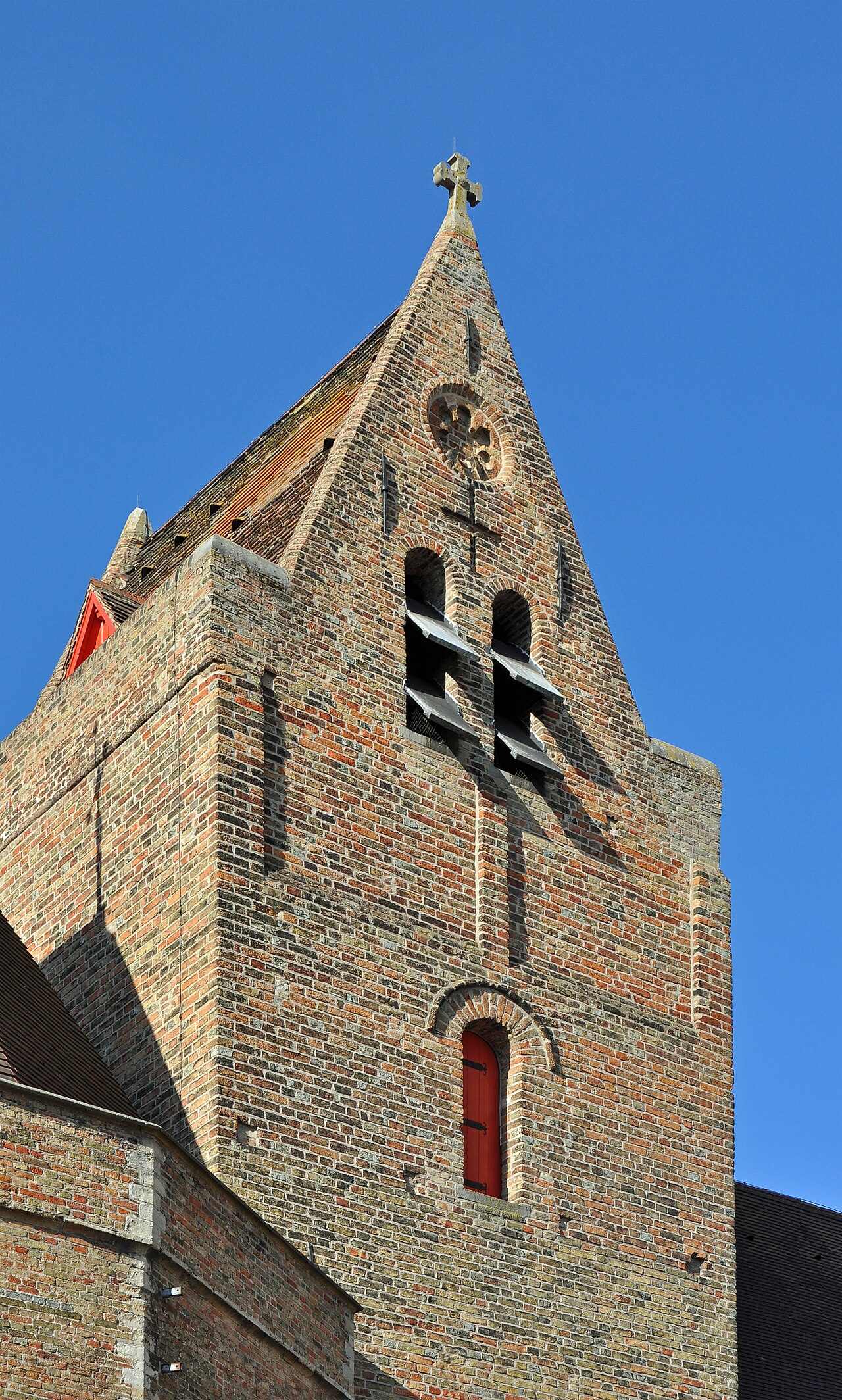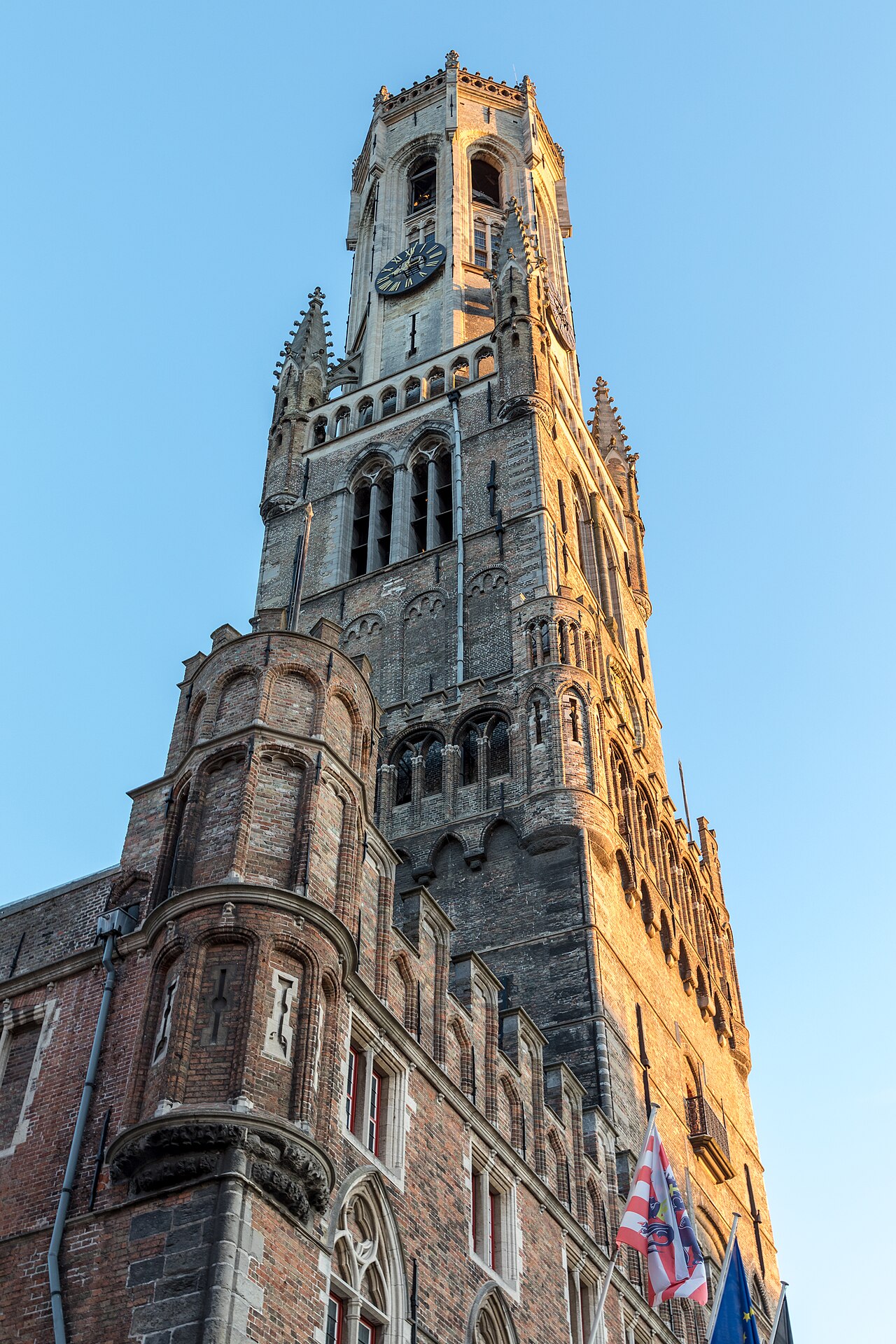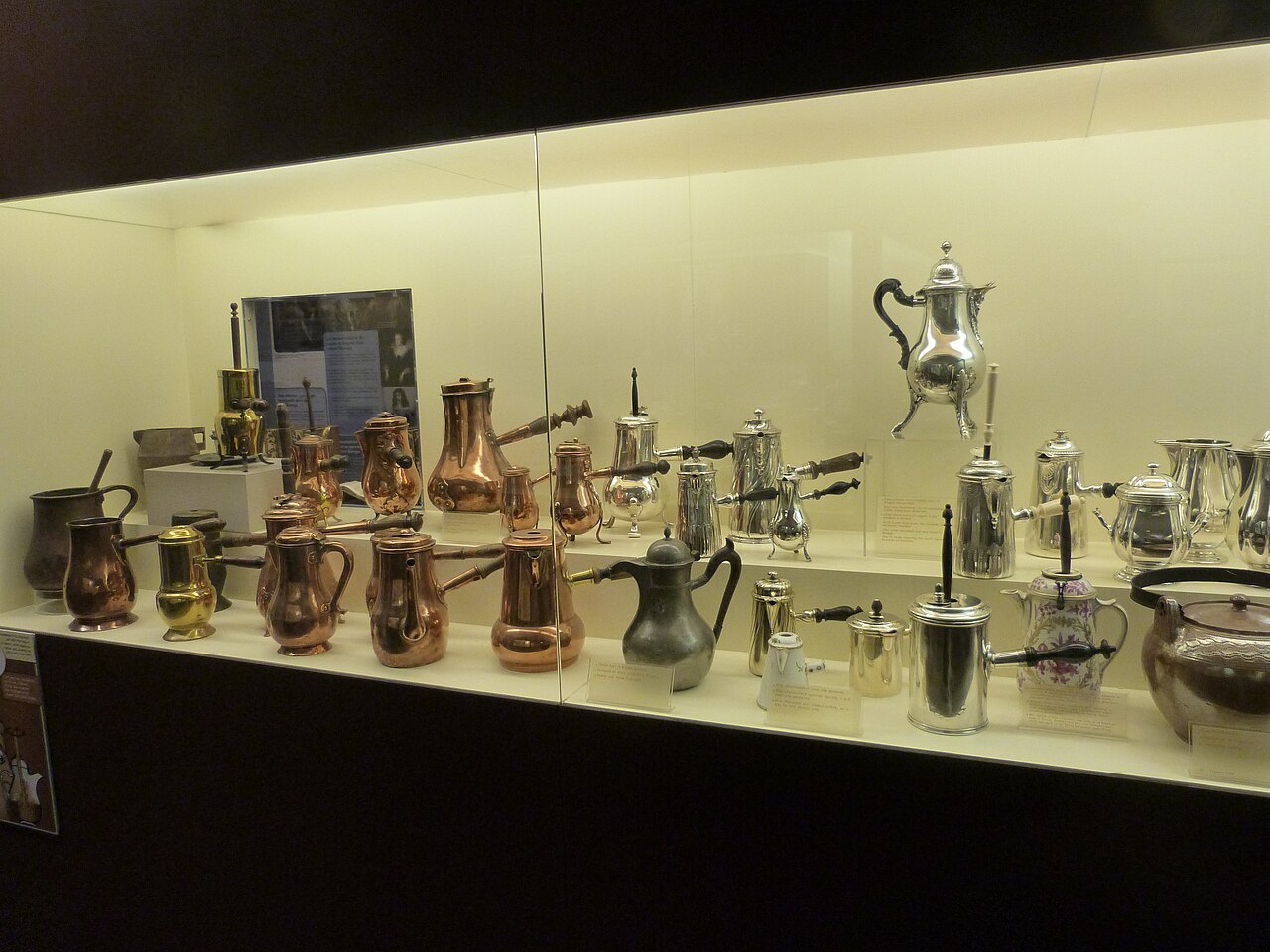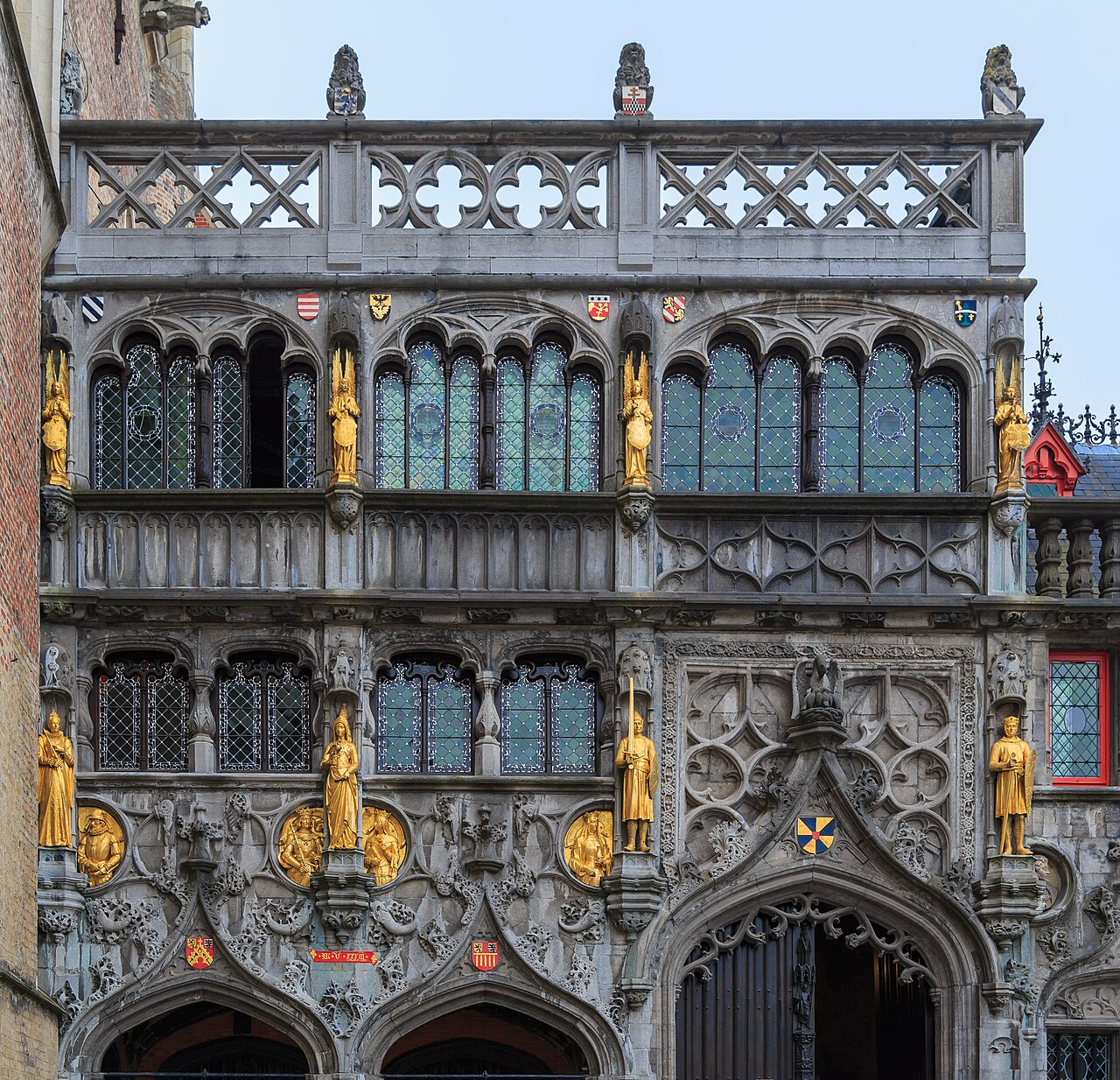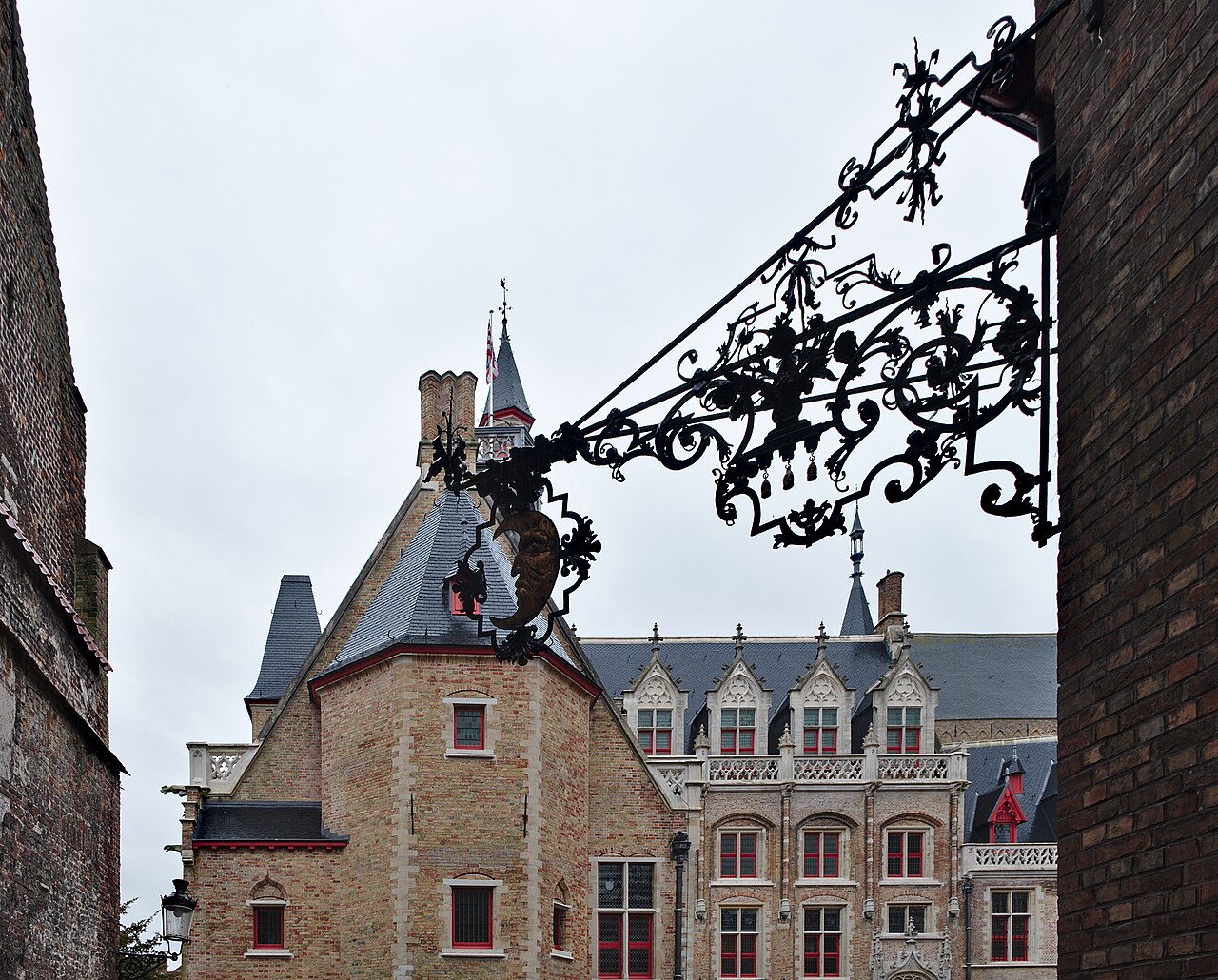
The Gruuthusemuseum is the best place in Bruges to understand how the wealthy actually lived. The mansion was built for the Lords of Gruuthuse, a family that grew rich from the gruut, a herb mixture used to flavour beer before hops took over, and it grew into one of the grandest private houses of the Burgundian age. Its most famous guest was an English king in exile, who is said to have stayed here and later honoured his host with an English title. Today the house is a museum of everyday and ceremonial life from the Middle Ages to the nineteenth century, with Flemish tapestries, carved wood and stone sculpture, silverware, ceramics, musical instruments, weapons and an outstanding collection of Bruges lace. The finest detail is the private oratory, a small balcony that opens directly into the choir of the Church of Our Lady next door, so that the family could attend mass without leaving home and, no doubt, be seen doing so. Rooms are arranged around a courtyard, with the tapestries and sculpture giving a good sense of how the Bruges elite built and displayed their wealth.
How it works
The Gruuthusemuseum is part of the Musea Brugge network on the Dijver, just along from the Groeningemuseum and facing the Church of Our Lady. It can be visited on a single ticket or with the Musea Brugge Card, and it follows the group pattern of closing on Mondays, on 25 December and on 1 January. Because individual museums sometimes close for works or reorganisation of the displays, check the current status of the rooms before you go.
What to expect
The visit is self-guided and wanders through a sequence of rooms rather than following a rigid route. Look for the tapestries, which show how colour and storytelling were used to insulate and impress, and the lace collection, which explains why Bruges lace was prized across Europe. Medieval sculpture, carved fireplaces and period furniture help the rooms feel like a house rather than a gallery. The oratory is the highlight for many visitors, and the view down into the church is worth the stairs. Expect uneven floors, steps and some narrow passages.
Making the most of it
Allow an hour to ninety minutes, and go on a weekday morning for the calmest experience. The museum is a good wet-weather choice, but it is also easy to build into a walking day, since the Church of Our Lady, the Sint-Janshospitaal and the Groeningemuseum are all within a few minutes. If you only have time for two museums, many visitors choose the Groeningemuseum for the Flemish Primitives and the Gruuthuse for the house itself.
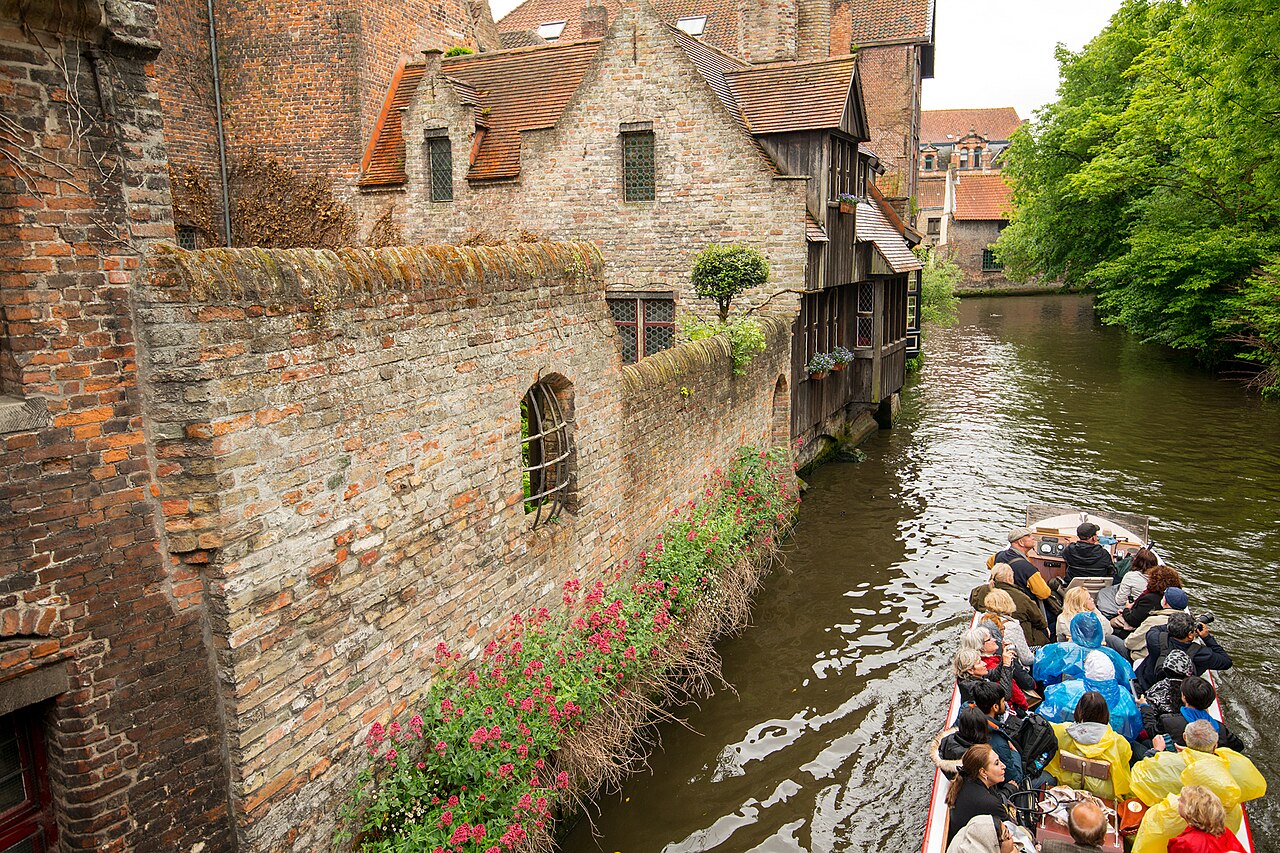
Finish with a stroll along the Dijver or a canal boat from a nearby landing stage in season. Take your time in the sculpture and tapestry rooms, where the details reward a second look, and look out of the windows for a glimpse of the courtyard and the neighbouring church. Children often enjoy hunting for the oddest object in each room, which turns a quiet museum into a treasure hunt. Photography rules vary by room, so follow the posted signs.
What to expect
The experience
A self-guided walk through a medieval noble mansion filled with tapestries, sculpture, lace and furniture.
Best time
A weekday morning from Tuesday to Sunday, since the museum is closed on Mondays.
How long
An hour to ninety minutes.
Tips
Find the private oratory above the church choir and check the rooms are open before you go.
Quick picks
- Best for
- History lovers who want to see how Bruges merchants and nobles lived.
- Families
- Older children enjoy the oratory, the weapons and the instruments, but younger ones may tire of the quiet rooms.
- Couples
- An unhurried, atmospheric visit on a wet afternoon.
- Pair with
- The Church of Our Lady, the Sint-Janshospitaal and the Groeningemuseum.
- Time needed
- An hour to ninety minutes.
Good questions
What is the Gruuthusemuseum?+
It is a museum in the fifteenth-century mansion of the Lords of Gruuthuse, showing tapestries, sculpture, lace, furniture and other objects from the Middle Ages onwards.
What is the oratory at the Gruuthuse?+
It is a small private balcony that opens into the choir of the Church of Our Lady, so the family could attend services directly from their home.
Is it included in the Musea Brugge Card?+
Yes, the Gruuthusemuseum is one of the locations covered by the 72-hour Musea Brugge Card.
Is the Gruuthusemuseum open on Mondays?+
No, it follows the Musea Brugge pattern of closing on Mondays, on 25 December and on 1 January. Check current hours before you go.
How long should I spend there?+
Plan on about an hour to ninety minutes for a relaxed visit.