Three days is the sweet spot for Brussels. It is long enough to see the gilded centre, the museums of the upper town and the Atomium without rushing, and short enough that you can still fit in a day trip. This plan keeps each day to a handful of stops, leaves room for long café breaks and offers a wet-weather swap for every day.
Before you go
Brussels is bilingual, French and Dutch, and you will see both on every street sign. English is widely spoken in hotels, museums and restaurants. The currency is the euro and cards are accepted almost everywhere. Many museums close one day a week, most often Monday, so check the day before you plan a visit. Book the Atomium and any timed-entry sights ahead, as described in our first-timer guide.
Day one: the heart of the old town
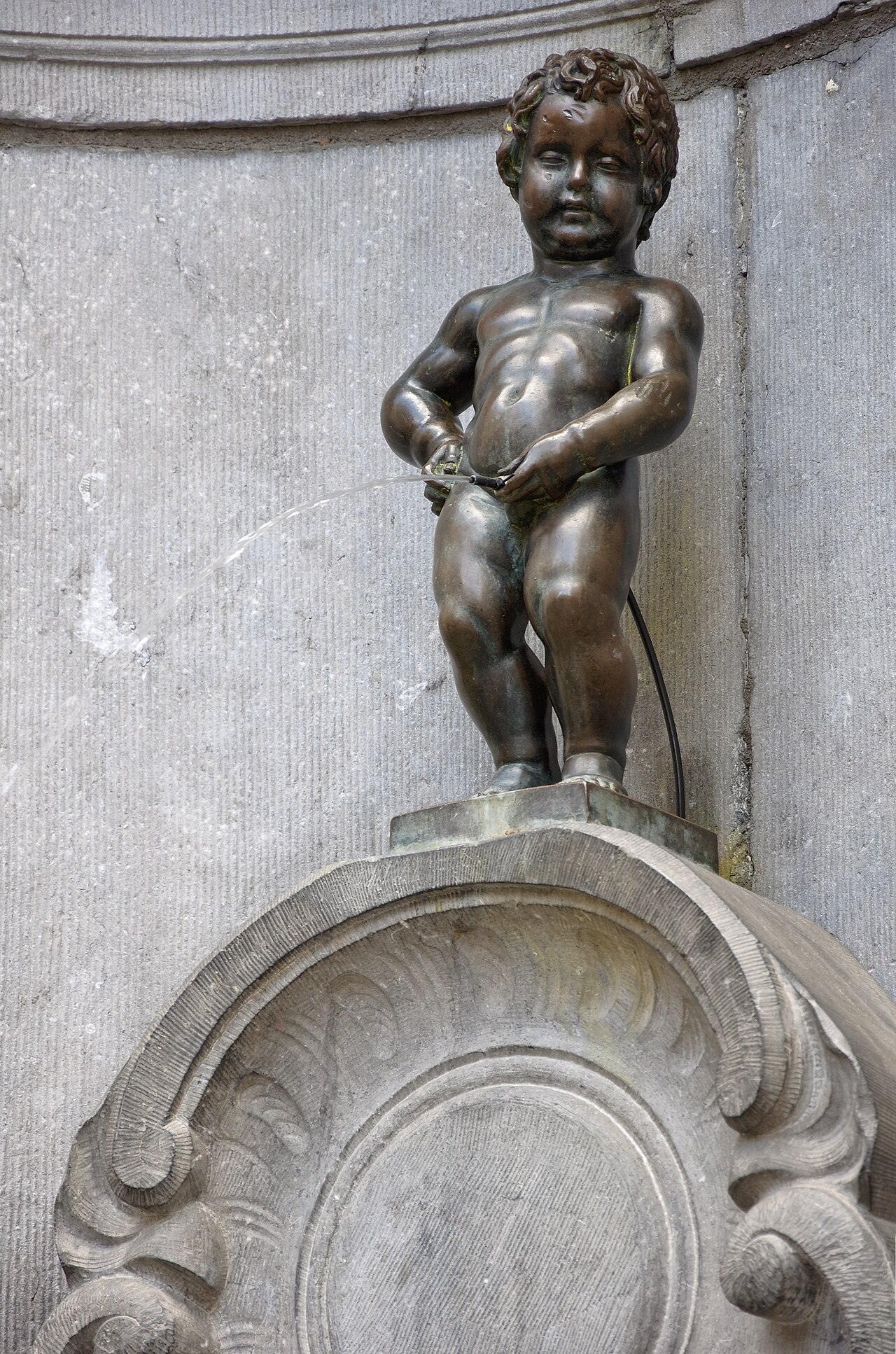
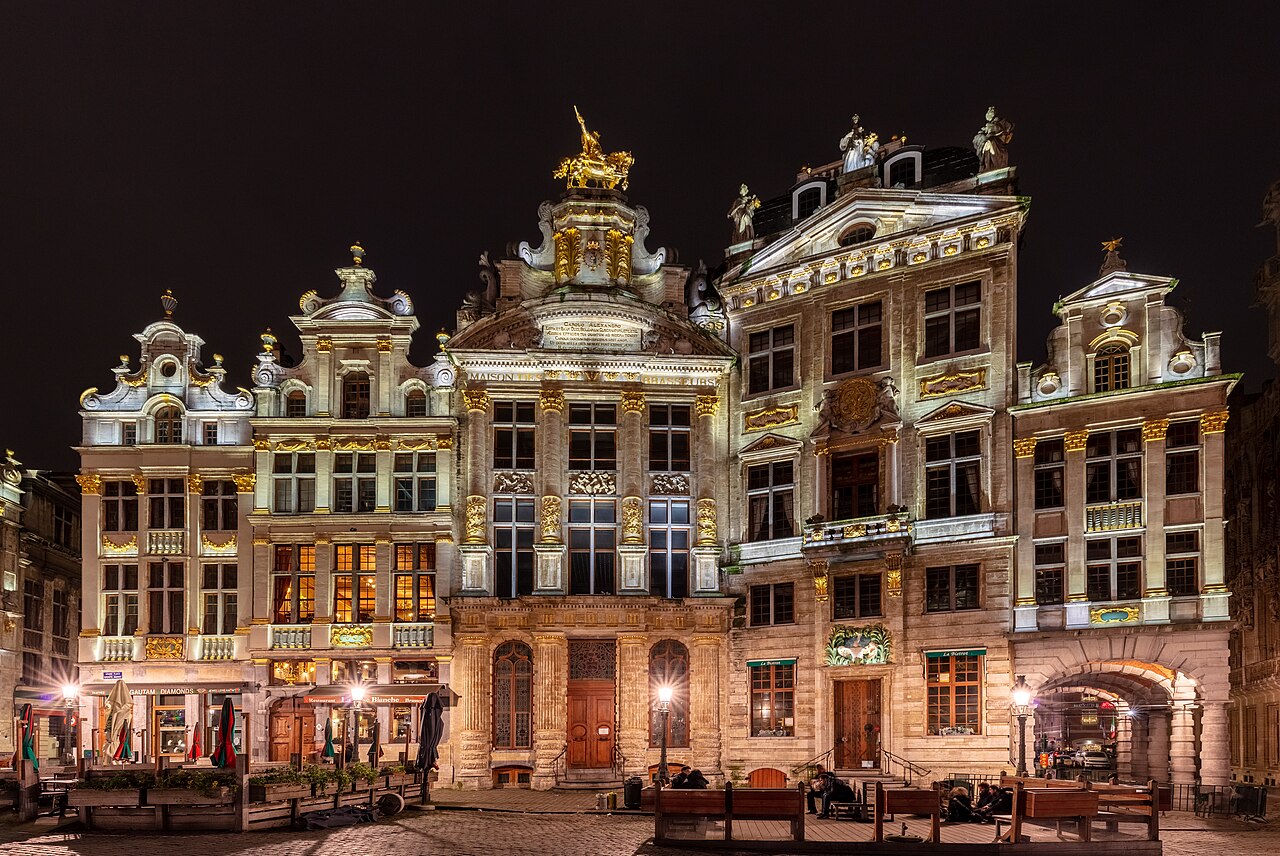
Begin at the Grand-Place early, before the tour groups arrive, when the guildhall facades are quiet and the gilding catches the light. From the square it is a short stroll to Manneken-Pis, a famously small statue that is far more fun than its size suggests, and which has a wardrobe of hundreds of costumes. Step into Choco-Story for a chocolate demonstration, then lunch on something simple: a cone of frites or a waffle will do. In the afternoon, walk through the glass-roofed Galeries Royales Saint-Hubert, one of Europe's earliest covered shopping arcades, and finish at Belgian Beer World in the former stock exchange for a tasting that explains why Belgian brewing is so varied. Return to the Grand-Place after dark, when the square is lit and at its most theatrical.
Day one, wet-weather swap
If it rains, spend the morning at the Cathedral of St Michael and St Gudula and the afternoon at the Frietmuseum, then keep the beer tasting for the evening. The galleries and the Grand-Place are fine in drizzle, since the arcades are covered.
Day two: the upper town and comics
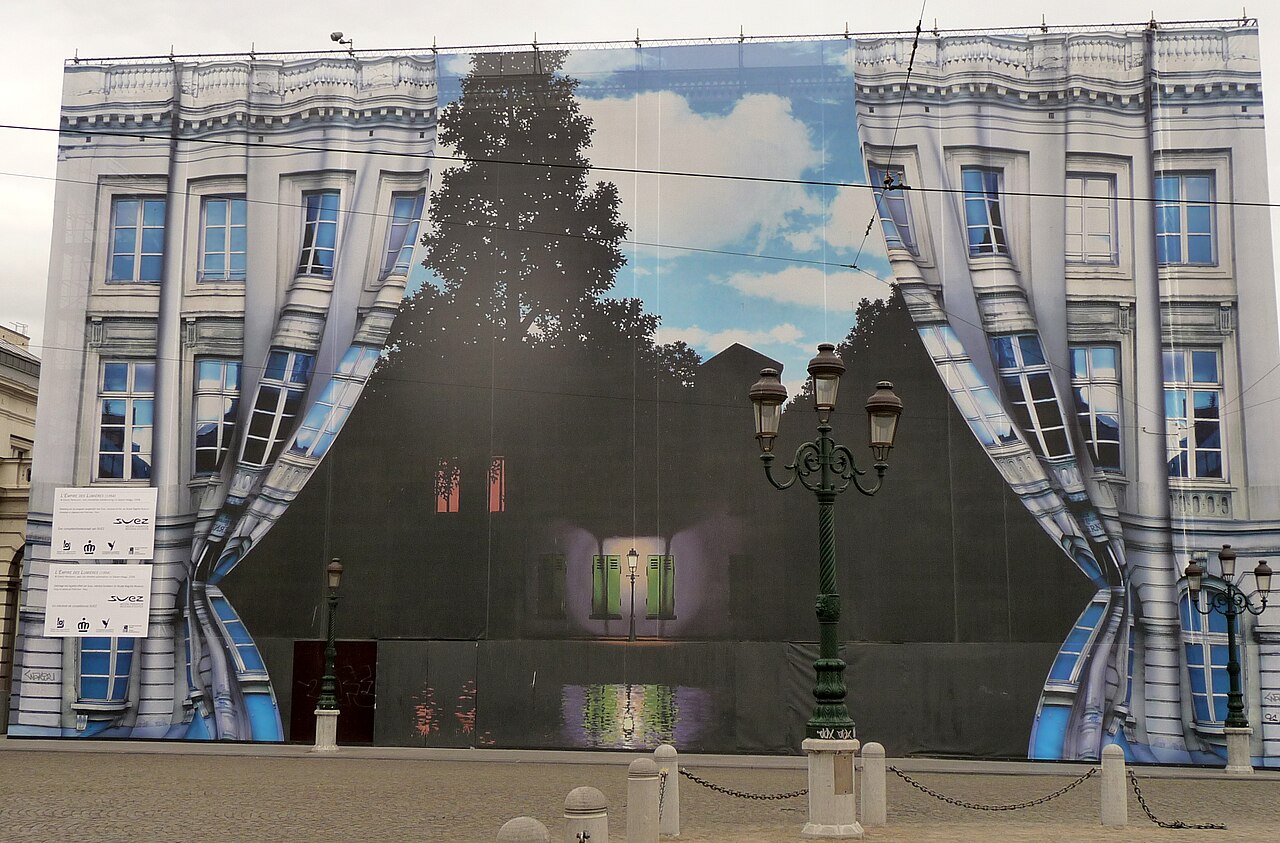
Climb up to the Mont des Arts for the view over the lower town, then choose your museum. The Magritte Museum is the one to prioritise if you like art: the surreal paintings are unmistakable, and the building is easy to navigate in about ninety minutes. The Musical Instruments Museum, in an Art Nouveau building with a rooftop café, is the better choice for something less conventional. After lunch, walk to the Comics Art Museum, housed in a Victor Horta building, and look out for the comic-strip murals that decorate walls around the centre. If you have the energy, continue to the Horta Museum in Saint-Gilles for a close look at Art Nouveau domestic design; it needs a timed slot, so book ahead.
Day two, wet-weather swap
The Museum of Natural Sciences, with its famous dinosaur hall, and Autoworld in the Cinquantenaire park both fill a wet afternoon comfortably. Both are well suited to families, too.
Day three: choose your own ending
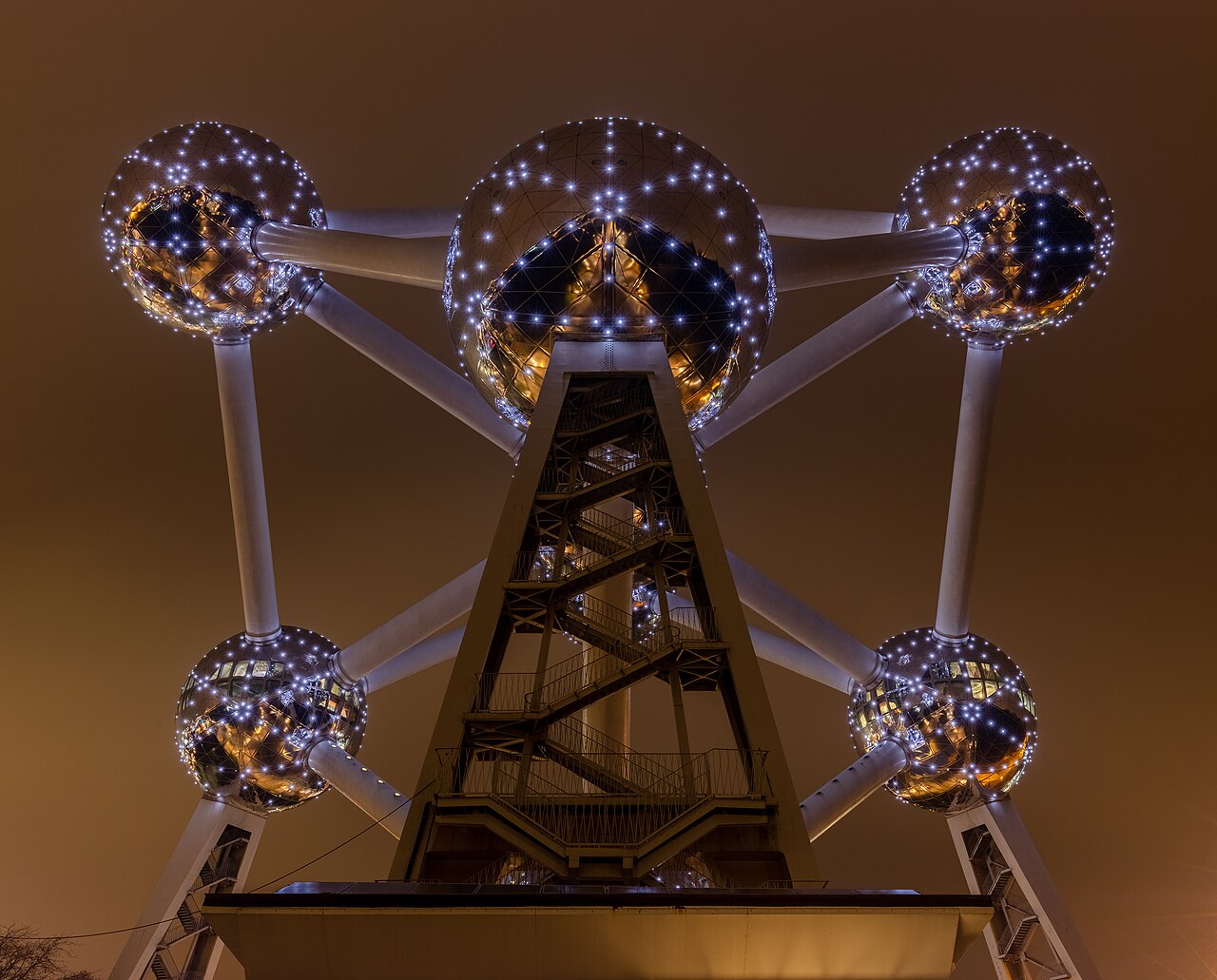
You have two good options. The first is the Atomium in the morning, a quick metro ride to Heysel, followed by Mini-Europe next door if the weather is good, or Train World in Schaerbeek if you love railways. The second is a full day in Bruges, with canals, belfries and medieval streets; join a guided trip or take the train independently, and be back for dinner. If you only have time for one, pick Bruges in spring through autumn and the Atomium in winter, when the days are short.
Where to eat
Brussels rewards wandering. The streets around the Grand-Place are touristy, but a few steps in any direction the prices drop and the quality rises. For a quick lunch, look for a fritkot, the traditional chip stand, and order frites with mayonnaise. For dinner, a brasserie serving mussels, stew cooked in beer or a simple steak with chips is a good choice. Our eating and drinking guide has the full run-down.
Getting around
Walk wherever you can: the old town and upper town are compact and pleasant, though the climb from the lower town to the Mont des Arts is steeper than it looks. For the Atomium, Saint-Gilles and the European quarter, use the STIB metro, trams and buses, and tap a contactless card or buy a ticket from a machine before boarding. Pickpockets operate around the Grand-Place and the main stations, so keep bags closed and phones out of back pockets.
When to go
Spring and early autumn are the most comfortable seasons, with mild weather and thinner crowds. Summer is lively with festivals. In even-numbered years a flower carpet covers the Grand-Place for a few days in August. From late November a winter festival fills the centre with lights, markets and a skating rink. Whatever the season, bring a light waterproof, since showers can arrive without warning.