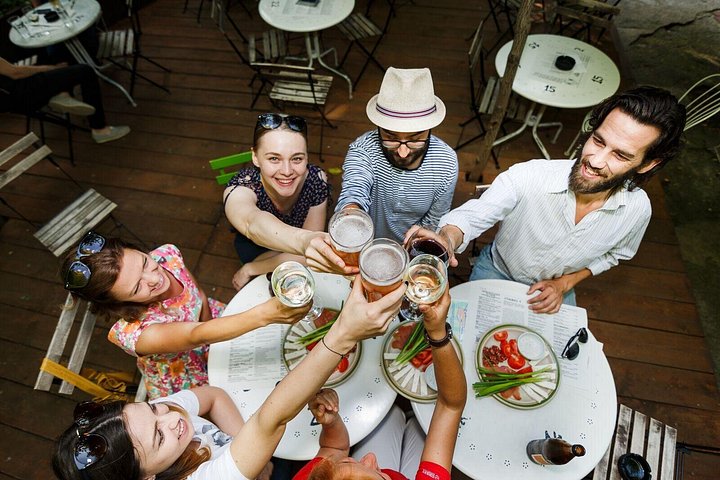
Romanian food is hearty, sour, smoky and generous, and Bucharest is the best place to meet all of it at once. The city has traditional taverns, modern kitchens that rework village recipes, bakeries on almost every corner and a handful of big markets where you can see where it all comes from. Here is how to eat well without overthinking it.
Dishes to look for
Start with mici, short skinless grilled sausages of mixed minced meat, eaten with mustard and bread and best straight from the grill. Sarmale are cabbage rolls stuffed with pork and rice, usually served with polenta, sour cream and a hot pepper. Mămăligă is the polenta that sits under many dishes. Ciorbă is the family of sour soups, soured with fermented bran or lemon, with the belly version and the meatball version among the most popular. Papanași are fried cheese doughnuts with sour cream and jam, and they are the dessert you will be offered everywhere. Look also for cozonac, a sweet braided loaf, and covrigi, the pretzel-like rings sold in bakeries.
What to drink
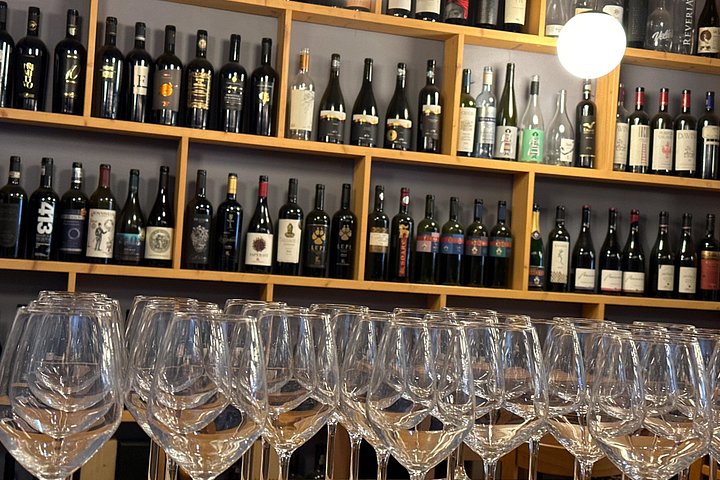
Romania is a real wine country, with local grapes such as Fetească Neagră for reds and Fetească Regală for whites, and a tasting is a good way to learn them. The classic spirit is țuică, a plum brandy, often served before the meal; a stronger double-distilled version is called pălincă. Craft beer and cocktail bars have grown quickly in the Old Town, and coffee culture is strong throughout the centre. Tap water is generally drinkable, but many visitors prefer bottled.
Where to eat
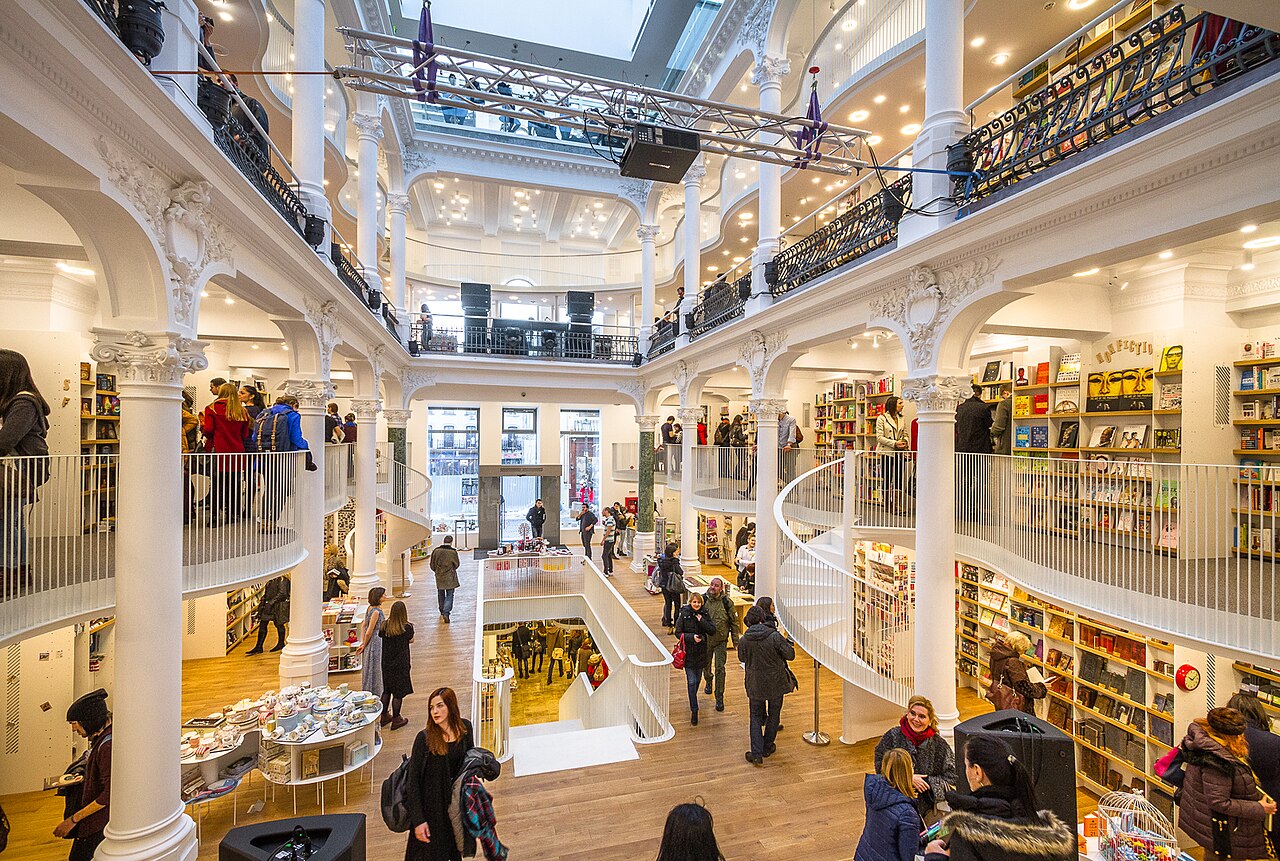
The Old Town has the highest concentration of restaurants and the most pitch-hungry street staff, so choose by reputation and look at the kitchen rather than the menu board. Calea Victoriei and the streets around the Athenaeum have more elegant dining, and the neighbourhoods north of the centre have a quieter, local feel. Bakeries and street counters are the best value for breakfast and a quick lunch.
Markets and food experiences
To see the ingredients, go to a market. The small-group food tour to Obor Market takes you through cheese, cured meat, grilled mici and plum brandy with a guide who explains what you are eating, which is the easiest way to taste widely in one go. For wine, the Romanian wine tasting in the Old Town pours five wines with a cheese and charcuterie platter and suits an early evening. Both are better booked a day or two ahead.
A good day of eating
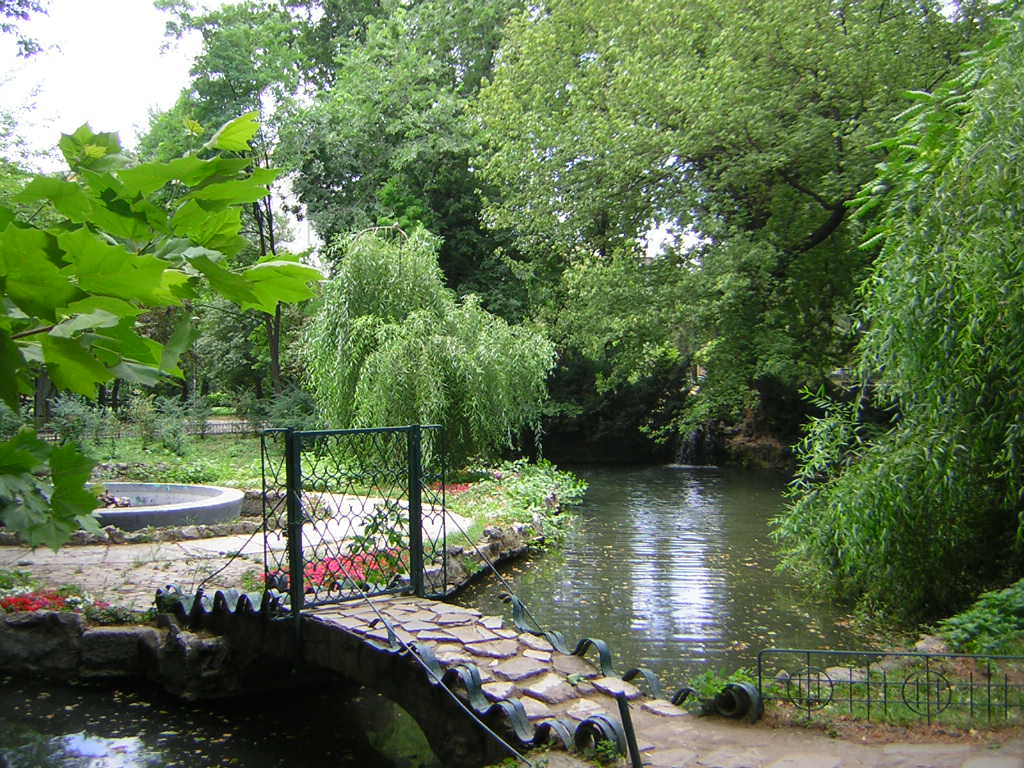
Breakfast on a fresh bakery pastry and coffee. Spend the morning at a museum, then have a ciorbă lunch, the best-value meal of the day in most restaurants. Take a long walk in Cișmigiu Gardens or along Calea Victoriei. For dinner, order a few dishes to share: mici or sarmale, something with polenta, a salad of tomatoes and white cheese in season, and papanași to finish. A glass of Romanian red or a țuică rounds it off.
Practical habits
Lunch is the best-value meal, and many restaurants run a cheaper set menu then. Portions are large, so share if you are unsure. A tip of around ten percent is normal if service is not already added; check the bill. Cards are accepted almost everywhere, though a little cash helps at markets and small counters. Romanians tend to eat late, so kitchens in the centre stay open into the evening, and weekend tables in the Old Town are worth booking.
Vegetarians
Romanian cuisine is meat-heavy, but there are useful options: fasting dishes during Orthodox fasting periods are plant-based, so look for bean soups, stuffed peppers and mushroom dishes, and the growing number of modern kitchens cater well for vegetarians and vegans.
Fitting it into a trip
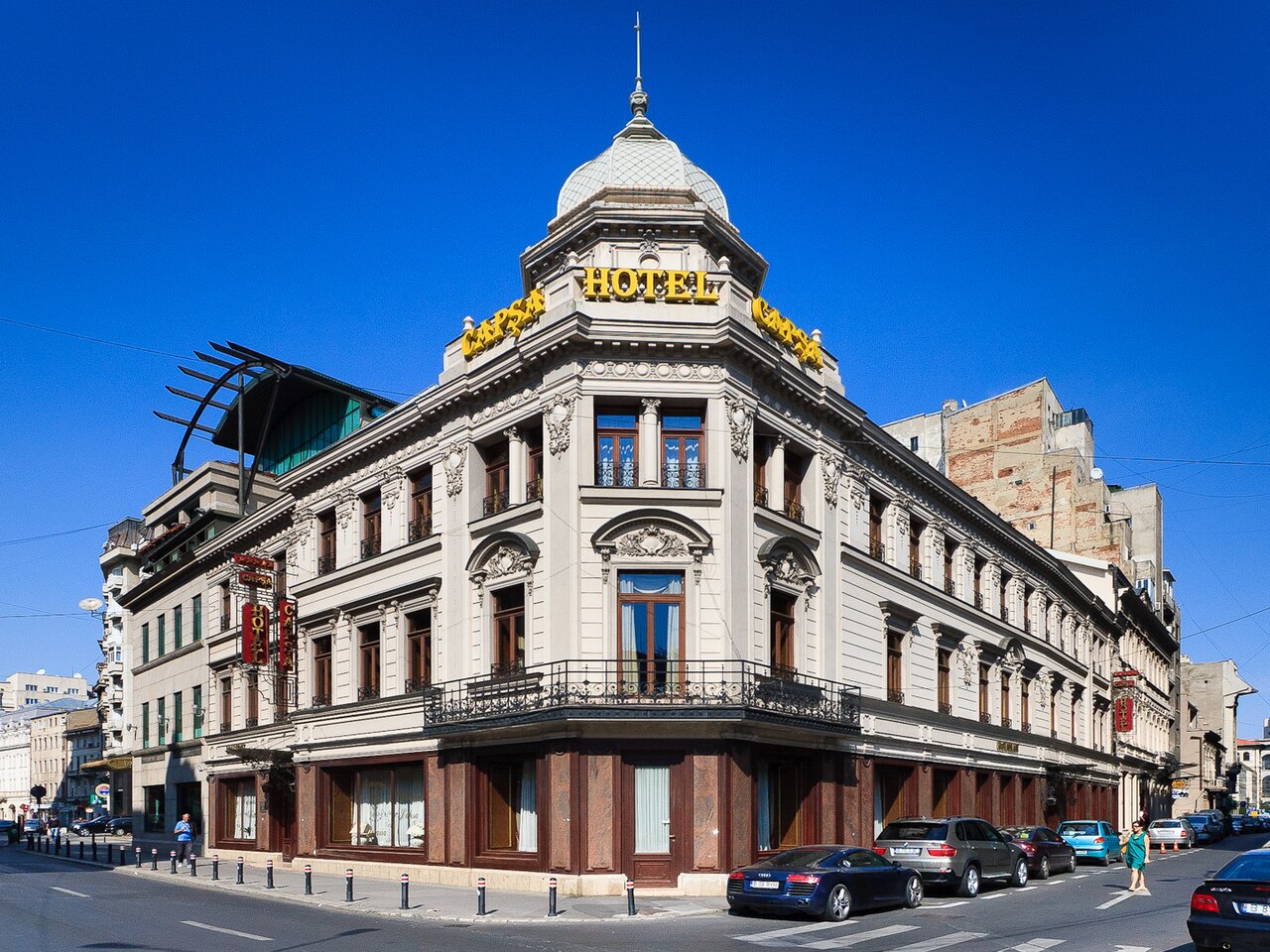
Food is a good way to anchor your three days. Pair a Palace of the Parliament morning with a late lunch in the Old Town, finish a Calea Victoriei day with a wine tasting, and keep the market tour for a day when you want something relaxed and social. If you stay in the centre, the Old Town’s restaurants are a short walk in every direction. Whatever you choose, ask staff what they would eat themselves, because Romanian hosts are proud of their cooking and happy to steer you toward the dish of the day or a regional wine you would never find on your own. Be adventurous with the sour soups and the grilled meats, and save room for dessert.