Bucharest is one of the better-value capitals in Europe, and much of its best material costs nothing. The streets are the main show, and the paid sights are modest by western standards. With a little planning you can fill several days with free and low-cost things, and spend where it counts.
The free core
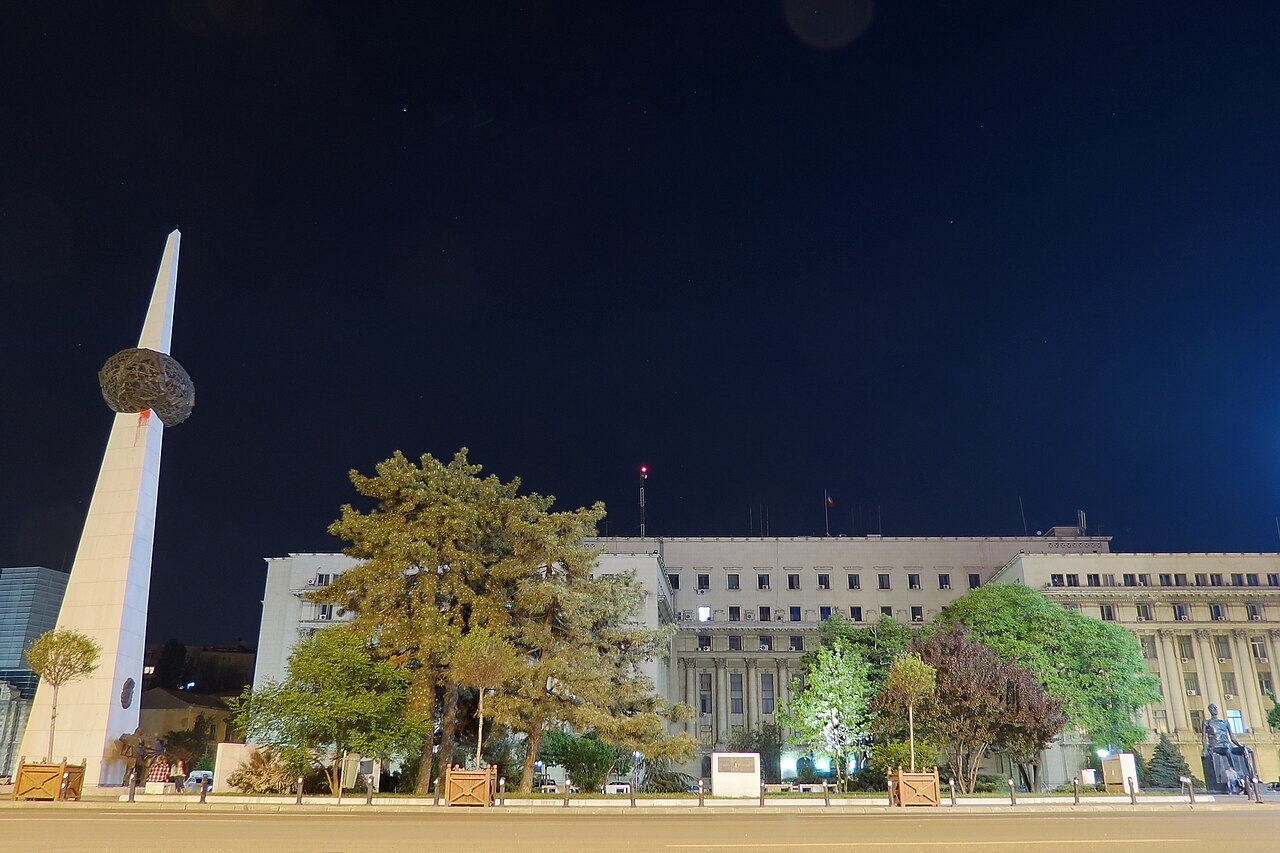
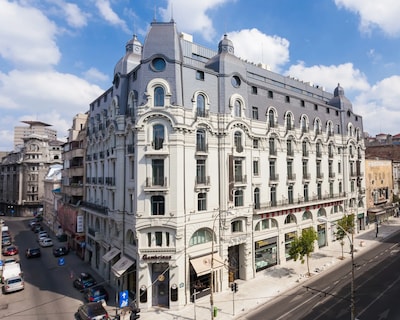
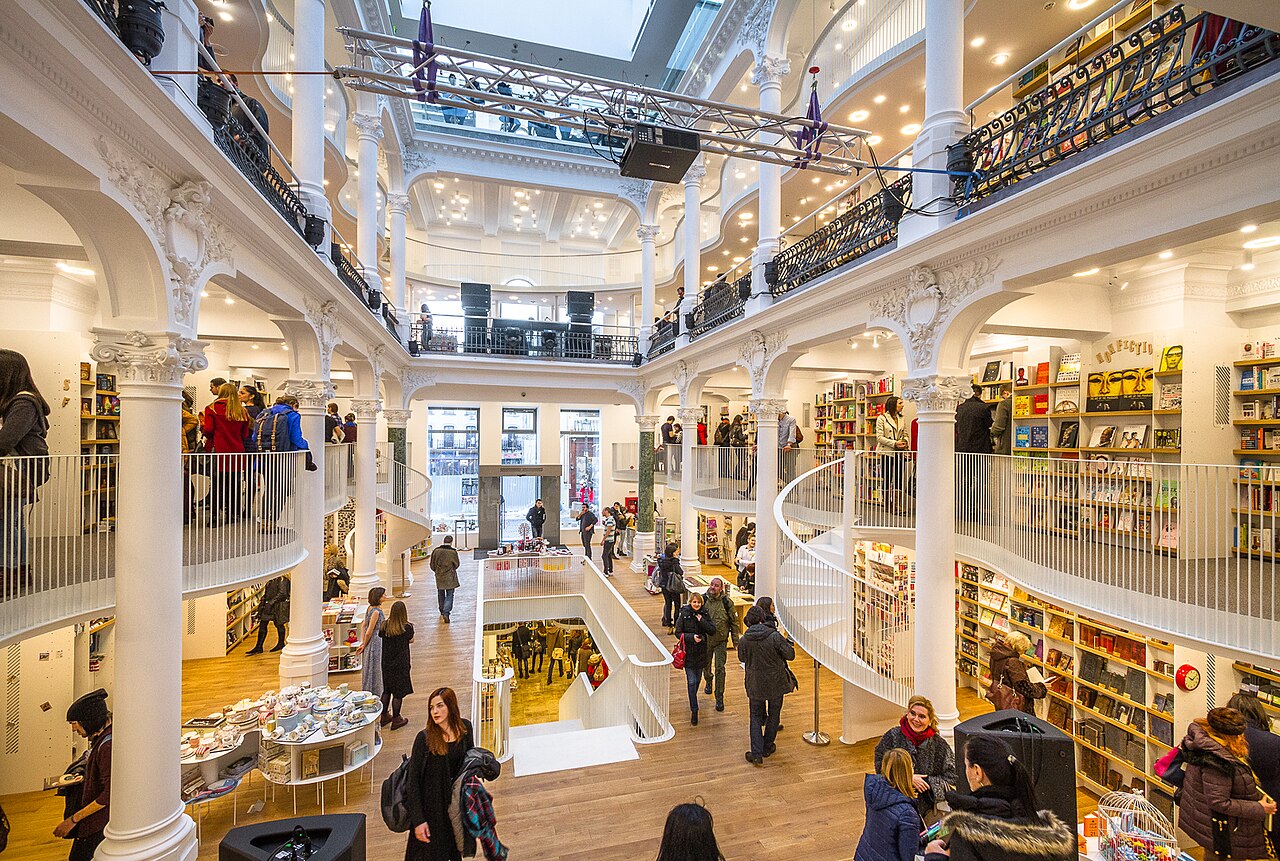
Start with the Old Town, which is free to wander, with Stavropoleos Monastery, the ruins of the old princely court and the Belle Époque banks of the lanes around Lipscani. Next door, Cărturești Carusel is a bookshop in a restored building with white balconies spiralling around a bright atrium; entry is free, and you only pay if you buy a book or a drink at the top. Walk north up Calea Victoriei to Revolution Square, where the memorial and the surrounding buildings tell the story of 1989 in the open air.
Parks and open space
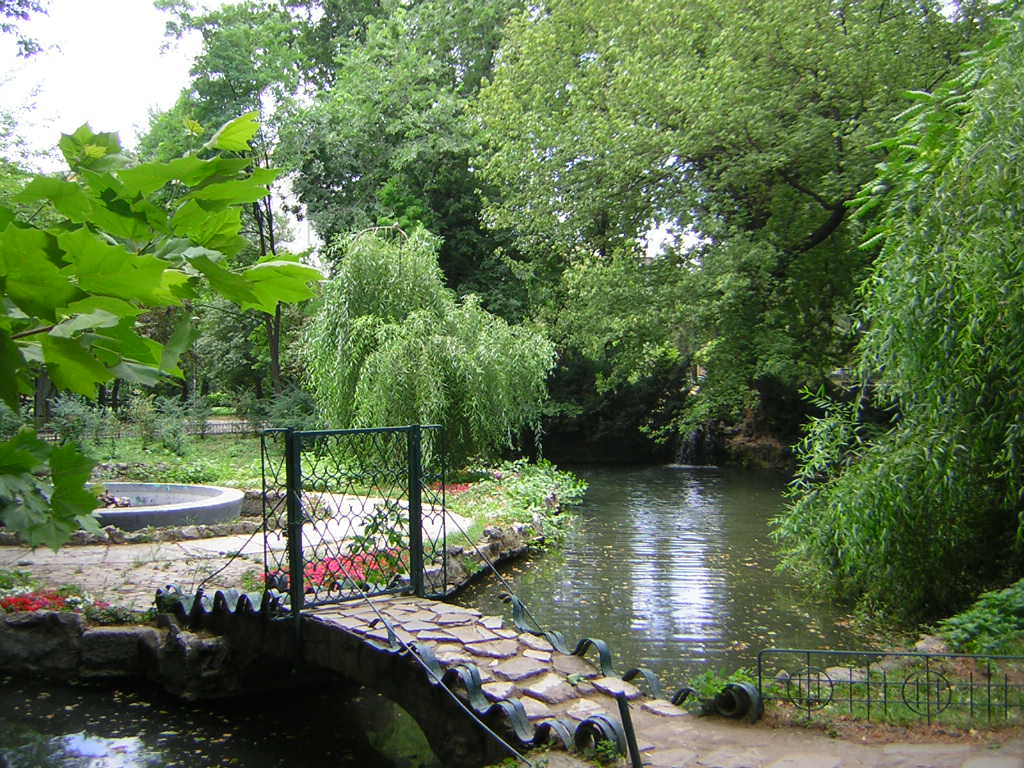
Cișmigiu Gardens is the oldest public garden in the city, with shaded paths, a lake and a rose garden, a few minutes from the Old Town. Herăstrău Park is far larger, with a lake, rose gardens and a Japanese garden, and the walk up Kiseleff Road passes the Arch of Triumph. Together they make a free half day that suits any weather except the coldest.
A quiet free walk
Bellu Cemetery is the city’s grand historic cemetery, where Eminescu, Caragiale and Enescu are buried among angels, columns and Art Nouveau tombs. It is free and peaceful, and a good way to learn about Romanian culture from the ground up. Treat it as a place of rest, and dress and behave accordingly.
Low-cost museums
The National Museum of Art in the former Royal Palace is the best museum in the city and a good-value ticket at any time; entry is free on the first Wednesday of the month, though it is busier then, and the museum is closed on Mondays and Tuesdays. The Grigore Antipa Natural History Museum, closed on Mondays, and the National Military Museum, open Wednesday to Sunday, are also in the lower price band, with plenty to fill a few hours, and the Antipa is a strong choice for children.
Where it is worth paying
Two sights justify their tickets. The Palace of the Parliament is a guided-tour-only experience and the one essential paid sight, and the Ceaușescu Mansion is a fascinating, intimate counterpoint. Both book out and need advance reservations. The Dimitrie Gusti Village Museum is another modest-ticket day that covers a lot of ground, with relocated houses and churches from every region.
Getting around cheaply
Much of the centre is walkable. Surface transport takes contactless bank cards on vehicles that display the card logos, with no surcharge, and the metro is cheap and simple for longer straight lines. Use ride-hailing apps rather than street taxis if you need a car, and agree the price or use the meter. Avoid exchanging money at street booths, and use ATMs attached to banks if you need cash.
Eating inexpensively
Lunch menus are the best value, bakeries cover breakfast and snacks, and markets sell cheese, bread and fruit for a picnic in the park. Set a limit for the Old Town’s terraces, which are the priciest, and walk a few streets away for locals’ prices.
A sample budget day
Begin with a free morning in the Old Town and Cărturești, have a set lunch away from the main lanes, spend the afternoon on Calea Victoriei and Revolution Square, and finish with an hour in Cișmigiu Gardens. Add the art museum on a first Wednesday and you have a full, rich day for very little.
Saving across the trip
Book the Palace of the Parliament and the Mansion first, since they cannot be improvised, and cluster the free sights around them. Stay within walking distance of the centre to cut transport costs, and travel in spring or autumn, when prices are gentler and the free outdoor sights are at their best. Finally, remember that free does not mean thin: an unhurried afternoon in the Old Town or a long walk through the parks tells you more about daily life in Bucharest than a rushed ticketed queue, and it costs only time. Keep a few small notes in the local currency for tips and market stalls.