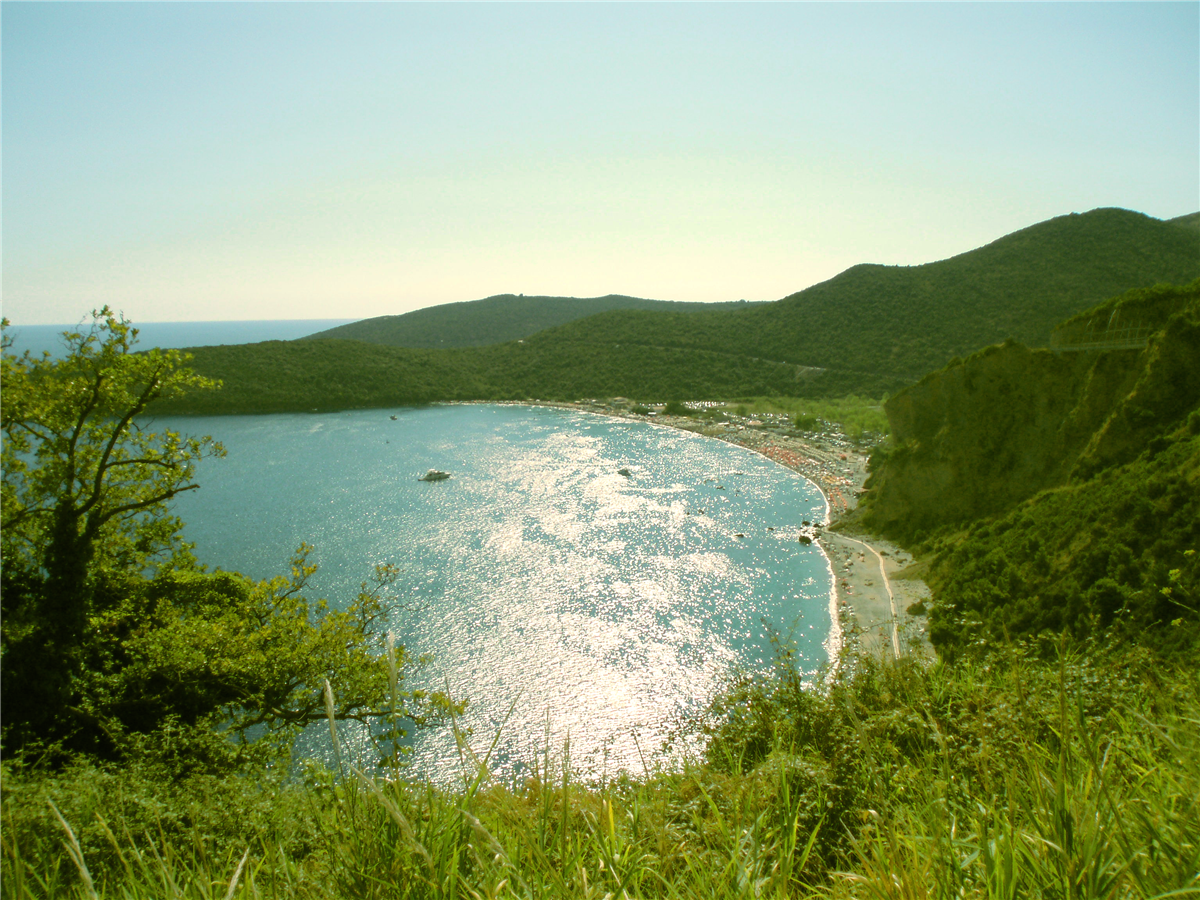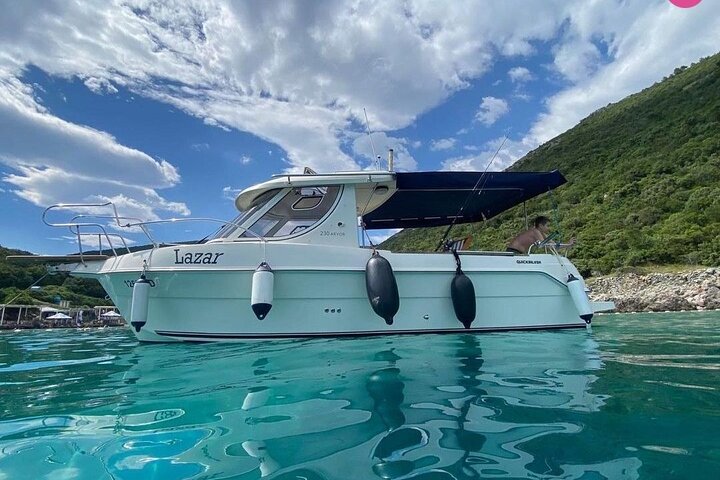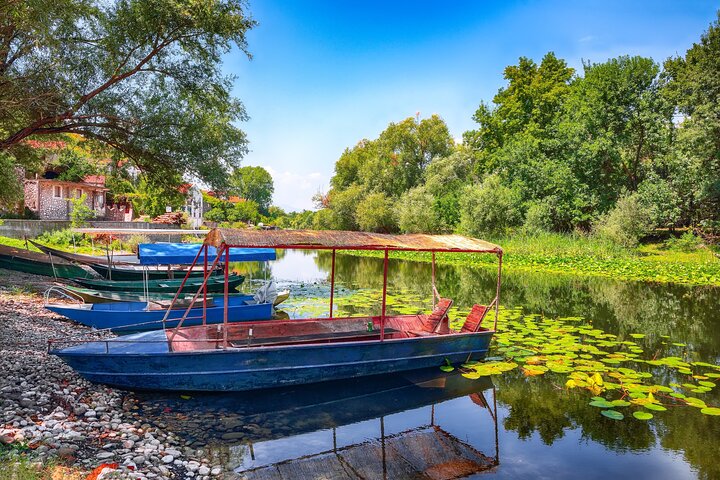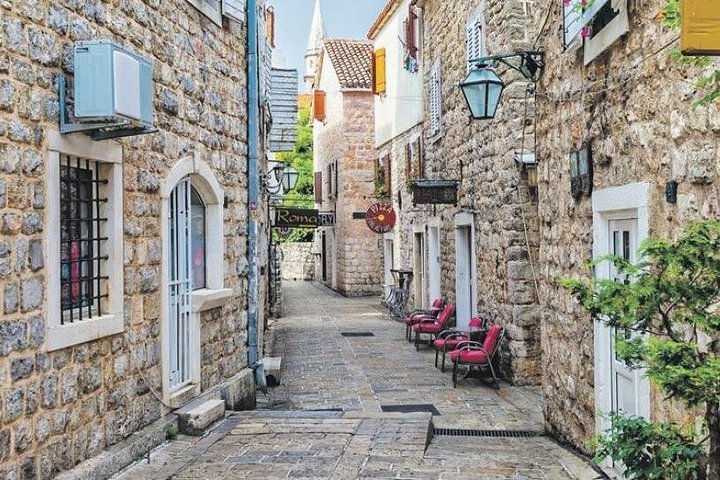
Budva has a classic Mediterranean climate, with hot dry summers and mild wet winters, and the best time to visit depends on what you want from the trip. Here is how the year works.
Summer, June to August
This is the peak season. Days are hot and sunny, the sea is warm, beach clubs and boat tours run in full and the nightlife is at its liveliest. July and August are the busiest and most expensive months, with crowded beaches, fully booked hotels and heavy traffic on the coast road. Large concerts at Jaz and other events add to the crowds. If you come, start early, rest at midday and book key activities ahead.
Late spring, May and early June
This is a sweet spot for many travellers. The weather is warm, the countryside is green, the sea is cool but swimmable by late May and prices are lower. Boat tours and kayak trips begin to run regularly, and the Old Town is pleasant without the crush. Skadar Lake is lovely, with flowers and birds.
Early autumn, September and early October
Often the best time of all. The sea holds its summer warmth, the crowds drop, hotel rates fall and the light is soft. The grape harvest brings life to the wine country near Skadar Lake. Thunderstorms can appear, but most days are calm and sunny.
Late autumn
The season winds down. Many beach businesses close, boat tours run less often and the days are shorter. The Old Town and the Citadel are quiet, and rain is more frequent. It is a good time for walking, food experiences and visiting inland sites, with low prices.
Winter, December to February
Winters are mild on the coast compared with northern Europe, but wet and breezy. Expect many restaurants and hotels to be closed or limited, though resort hotels with spas stay open. Sea activities are limited, but day trips to Cetinje, Ostrog and the mountains continue, and snow brings the ski season to Durmitor. Budva is calm and local in winter.
Early spring, March and April
Weather improves slowly, wildflowers bloom and the mountains remain snowy. The sea is still cold, and services start to reopen. It is a good time for hiking, sightseeing and cultural trips, with low rates and few crowds.
Sea temperature
The sea warms from May, peaks in August and stays pleasant through September. Winter swimming is for the hardy.
Events and holidays
Summer brings concerts, festivals and open-air events, and religious holidays affect opening hours inland. Check dates if you plan around an event, because accommodation fills fast.
Our pick
For the best balance of weather, price and calm, choose late May, June or September. For beach life and nightlife, choose July and August and book early. For quiet and bargains, choose the shoulder months and enjoy a slower Budva.
Crowds and prices in practice
In July and August, expect queues for boats, busy Old Town lanes and beach beds that need early reservation. Hotel prices can double compared with May or September. In the shoulder months, you can often walk up to a boat tour, find a table without a reservation and swim at Mogren with space to spare. Weekends are busier than weekdays across the year.
What to pack by season
In summer, bring light clothes, sun protection and swimwear. In spring and autumn, add a light jacket, a sweater and a rain layer. In winter, bring a warm coat, waterproof shoes and an umbrella. Mountains are cooler than the coast in every season, so layers are essential for inland trips.
Activities by season
Kayaking, paragliding, canyoning and boat tours are best from late spring to early autumn. Wine and food experiences work all year, with the harvest season special. Monasteries, Cetinje and the Old Town can be enjoyed in every season, and winter suits a quiet, cultural trip focused on walking and local life.
Weather in numbers
Summer afternoons commonly reach the low thirties Celsius, spring and autumn days sit in the high teens to mid twenties, and winter days are mild on the coast but cooler and wetter inland. Rain is most common from late autumn to early spring, so a flexible plan helps. Sunshine is generous from May to September, which is why the beach season is so dependable, and the sea breeze eases the heat in the evening.