Budva is Montenegro’s busiest resort and one of the oldest towns on the Adriatic coast, and it rewards a little planning. The Old Town sits on a rocky peninsula, long beaches run on either side, and the mountains rise steeply behind. Here is how to shape a first visit.
How many days
Three days cover the Old Town, the Citadel, a couple of beaches and one boat trip. Five days let you add a day trip to Skadar Lake or the mountains and a slower beach day. A week allows you to sample Sveti Stefan, Petrovac and Cetinje without rushing. Because Budva is compact, you can fit a lot into each day, but the heat in July and August favours early starts and long afternoon breaks.
Getting in
Tivat Airport is the closest, roughly twenty to thirty minutes away by road. Podgorica Airport, the capital’s airport, is about an hour away and has more international connections. Many visitors also arrive overland from Dubrovnik in Croatia, a drive that includes a border crossing. Montenegro is outside the EU and uses the euro, so bring your passport and allow extra time at the border in summer. Taxis, pre-booked transfers and buses all work, and private transfers are the easiest with luggage.
Getting around
The Old Town is car-free and easy to walk. Beyond it, buses run along the coast road to Bečići, Sveti Stefan and Petrovac, and taxis are inexpensive by western European standards. A rental car gives freedom for inland trips, but parking in summer is tight and mountain roads are winding. For day trips, guided tours remove the stress of driving.
What to see first
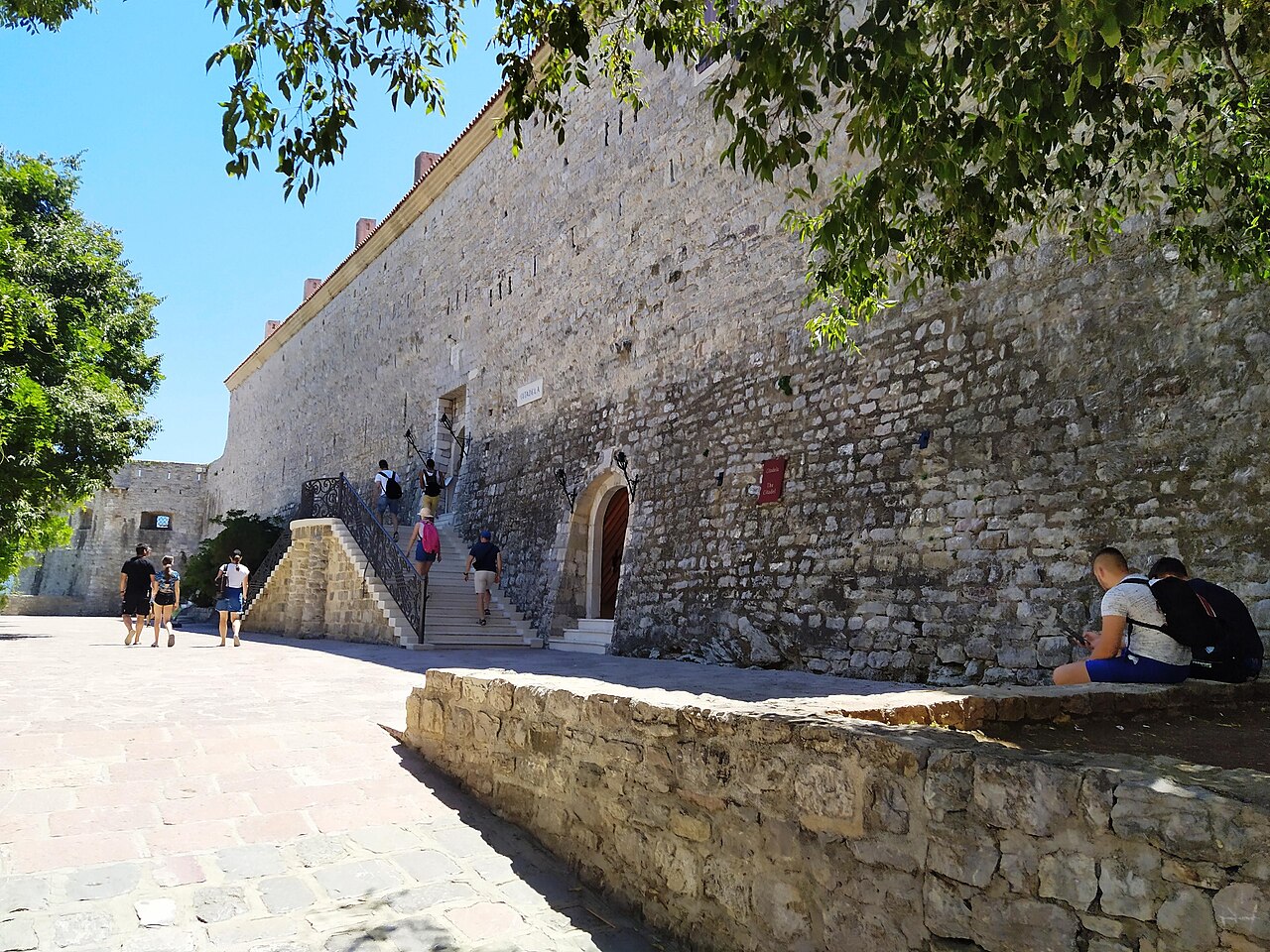
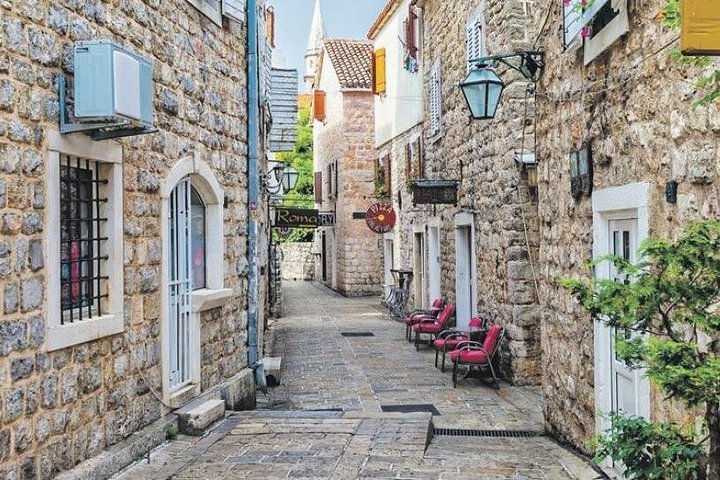
Start with the Old Town in the morning, when the lanes are quiet, then climb to the Citadel for views along the walls. Swim at Mogren beach, just below, and have a late lunch on one of the small squares. In the evening, walk the promenade to see the walls lit up. This simple first day shows you why the town is so loved.
Beaches
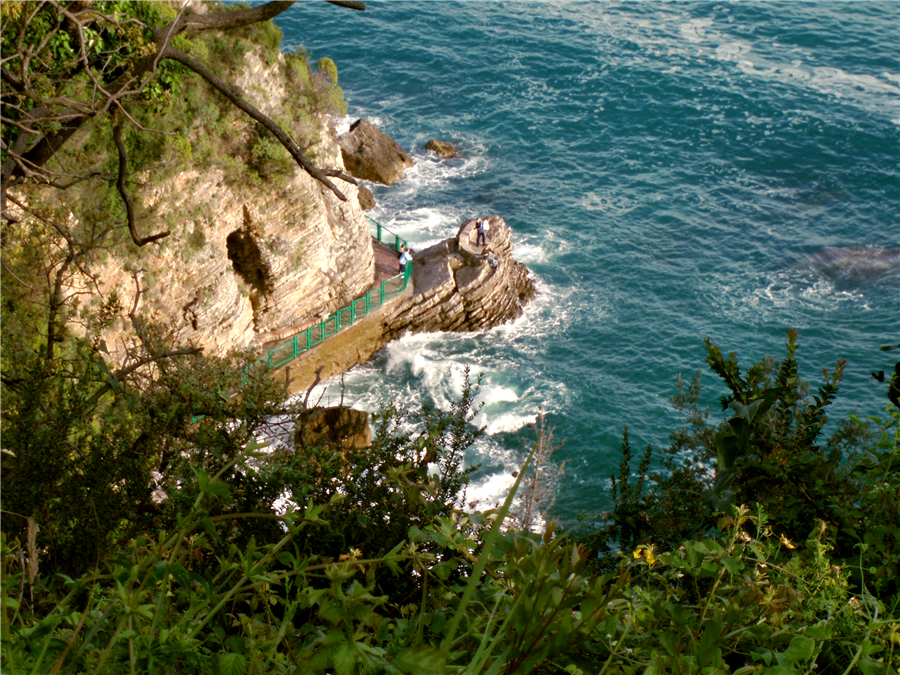
Mogren is the dramatic one beneath the walls, Slovenska is the long central beach, Jaz is the big open bay to the west and Bečići is the classic family strand to the south. Each has a different feel, so pick the one that suits you. Pebbles are common, so water shoes help.
What to book ahead
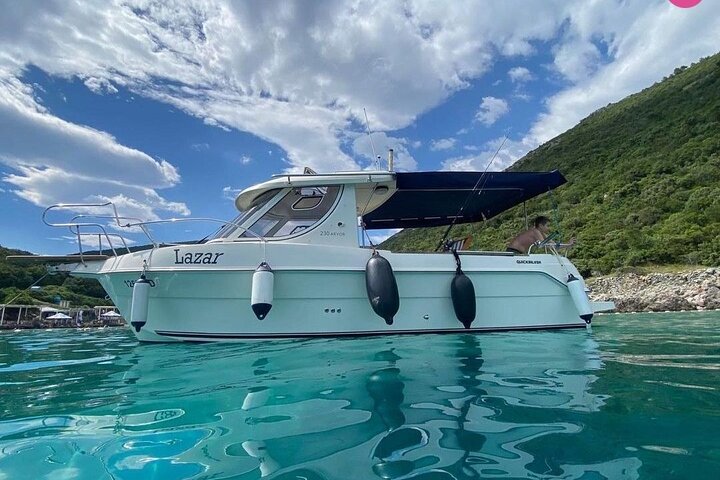
Very little sells out, but boat tours, kayak trips, paragliding and day tours fill in July and August. Book your accommodation early for summer and for any big concert weekends. Restaurants in the Old Town are busy on summer evenings, so reserve if you want a specific table.
Money and manners
Cards are widely accepted, but carry some cash for small cafes, beach rentals and tips. Dress modestly when entering churches and monasteries. The sun is strong, so carry water and sun cream. Tap water is generally drinkable, but many visitors prefer bottled water.
Budva with and without a car
If you are staying in the Old Town or the centre, you do not need a car for the first few days. Boat trips, kayaking and many day tours include pickup. If you want to explore villages and mountains independently, rent a car for a couple of days only, and return it before the busiest beach days.
Pace yourself
Budva is lively, and nights can run late in peak season. If you want quiet, choose a hotel away from the main bar streets or visit in the shoulder season, when the sea is warm and the crowds thin. Budva rewards slow mornings, long lunches and sunset walks.
Safety and health
Budva is generally a safe, relaxed resort. Take the usual precautions with valuables on crowded beaches and in busy summer streets. The sun is the main hazard, so wear a hat, use high-factor sun cream and drink plenty of water. Sea urchins live among the rocks, so water shoes protect your feet. For medical needs, pharmacies are common in town and the larger hotels can help you reach a doctor. Travel insurance is wise, especially if you plan adventure activities such as paragliding, canyoning or kayaking.
A simple first-day plan
Arrive, drop your bags, take a short walk on the promenade and have an early dinner. Sleep well, because the next morning is best used on the Old Town and the Citadel before the crowds. If you land at midday, a swim at the nearest beach is a perfect reset. By day two you will know the rhythm of the town and can choose a boat trip or a day tour.
Language and connectivity
Montenegrin is the local language, but English is widely spoken in hotels, restaurants and tour offices. Learning a few words such as hvala for thank you and molim for please is appreciated. Mobile coverage is good on the coast, and many cafes offer free Wi-Fi. Check your roaming plan, because Montenegro is outside the EU.