Budva’s food reflects its position between the sea and the mountains, with Mediterranean seafood on the coast and smoked meat, cheese and hearty stews in the hills. Add Italian, Balkan and Turkish influences and you have a small but delicious cuisine.
Seafood
Grilled fish is the staple: sea bream, sea bass, sardines and squid are common, often served by weight with olive oil, garlic and lemon. Black risotto, made with cuttlefish ink, is a coastal classic. Octopus salad, mussels and shrimp feature on many menus. Ask for the catch of the day and check the price per kilo before you order, since fish is usually sold by weight.
Mountain flavours
Njeguši is a village in the mountains known for smoked ham and cheese. Kajmak, a rich cream, is eaten with bread, and lamb under the bell, cooked slowly beneath an iron lid, is a speciality often ordered ahead. Cevapi, grilled sausages and burek, a flaky pastry, reflect the wider Balkan table.
Soups and sides
Fish soup, bean stew and stuffed peppers are home-style staples. Salads of tomato, cucumber and fresh cheese are simple and excellent in summer, helped by olive oil from the region. Bread is baked fresh, and desserts include pancakes, baklava-style sweets and seasonal fruit.
Wine
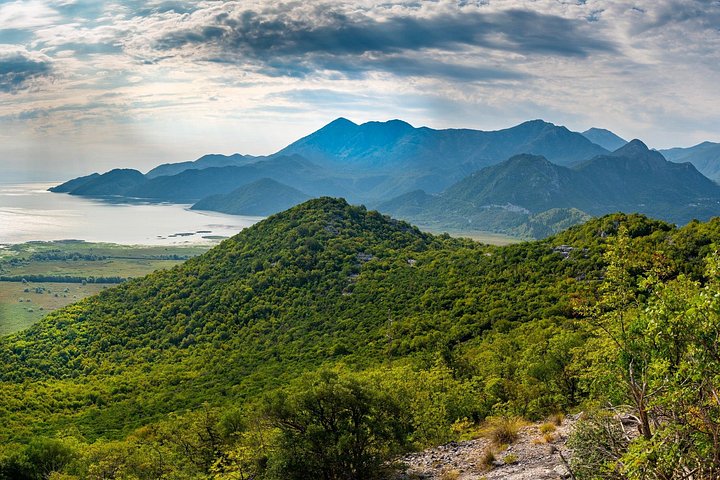
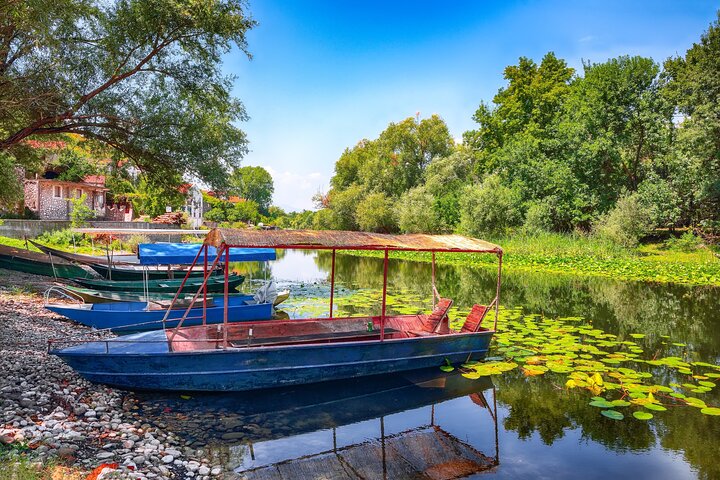
Montenegro’s signature red is Vranac, a deep, full-bodied wine from the plains near Skadar Lake. Krstač is a crisp local white. Many restaurants offer local wine by the glass or carafe, and wine tours are an excellent way to taste more. A private Skadar Lake wine tour combines vineyards, the lake and lunch.
Spirits and coffee
Rakija, a fruit brandy, is poured as a welcome, often plum or grape, and should be sipped slowly. Coffee is strong and served with a glass of water, and the café culture is leisurely. Local beer is common in summer.
Where to eat
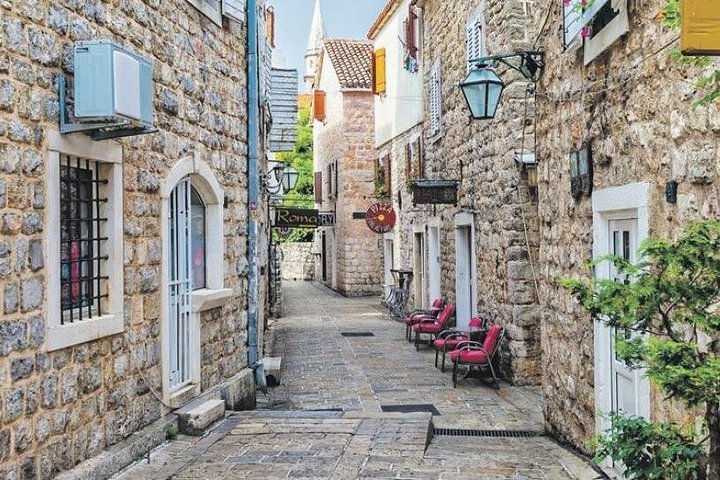
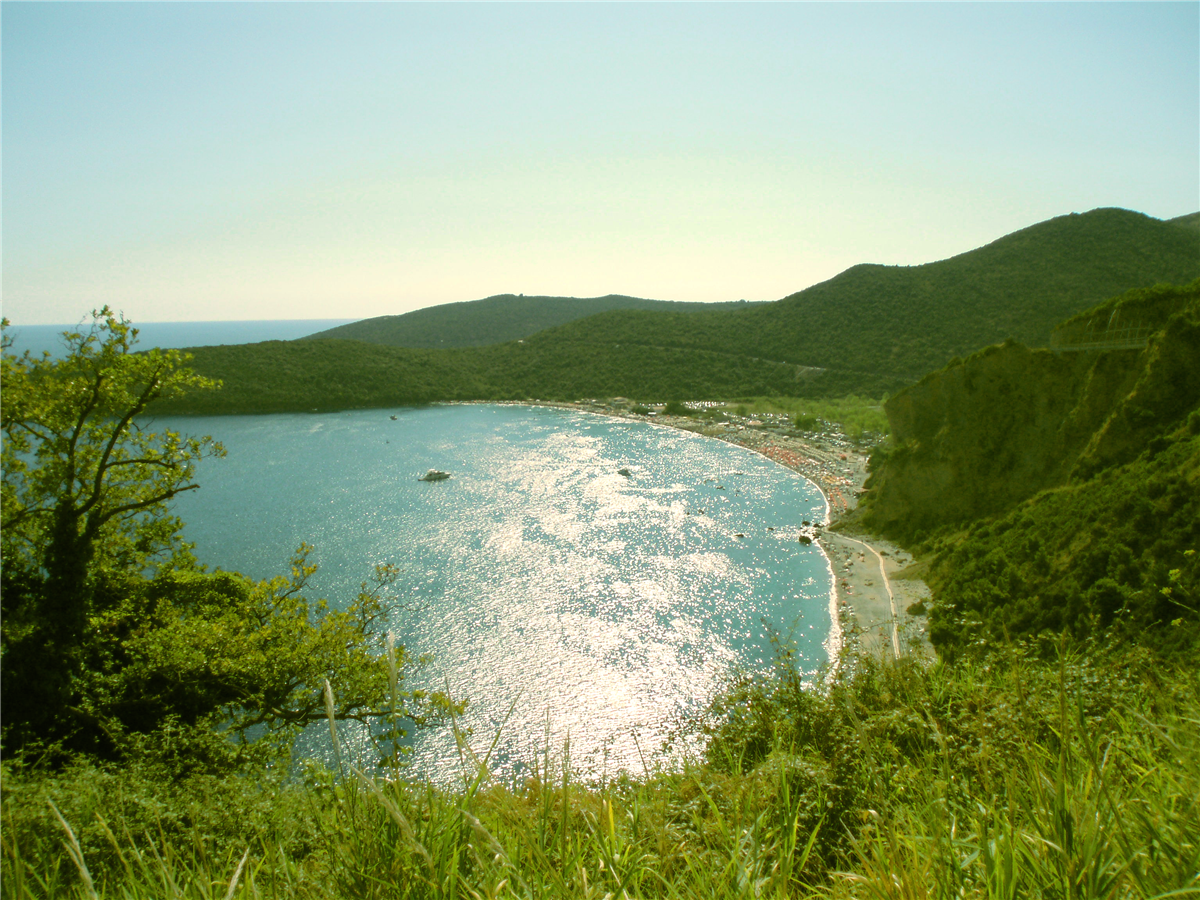
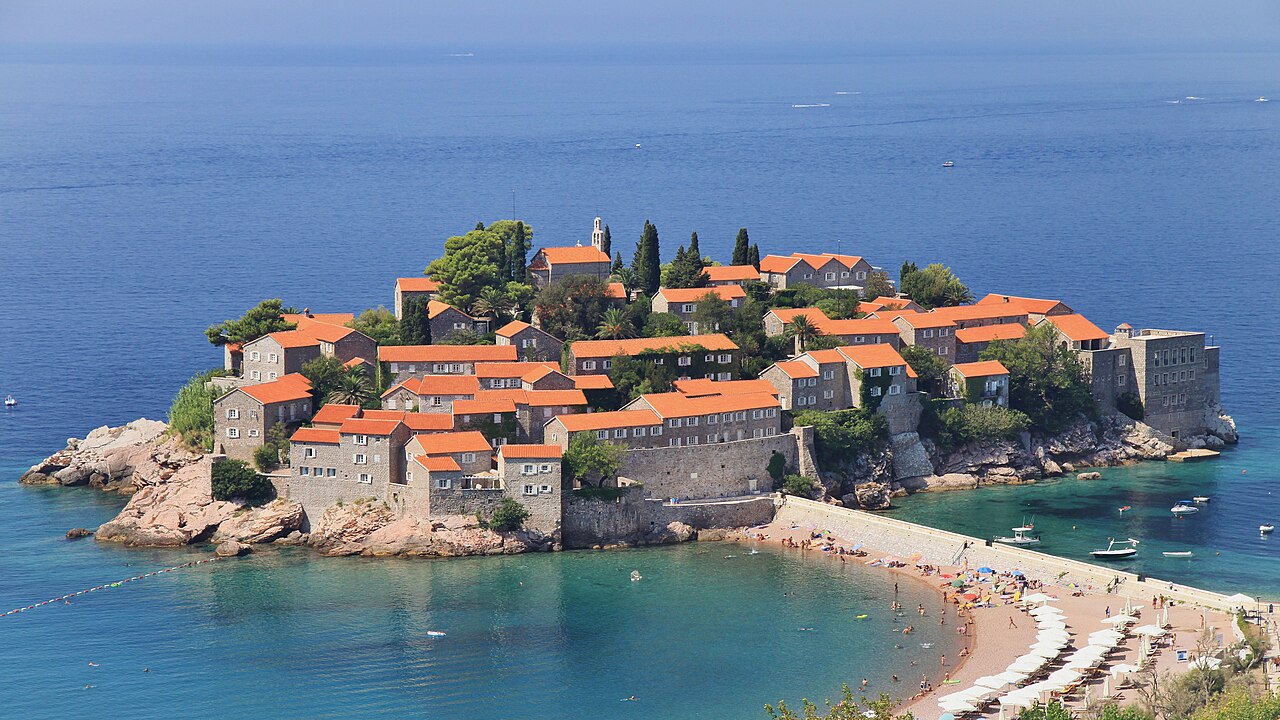
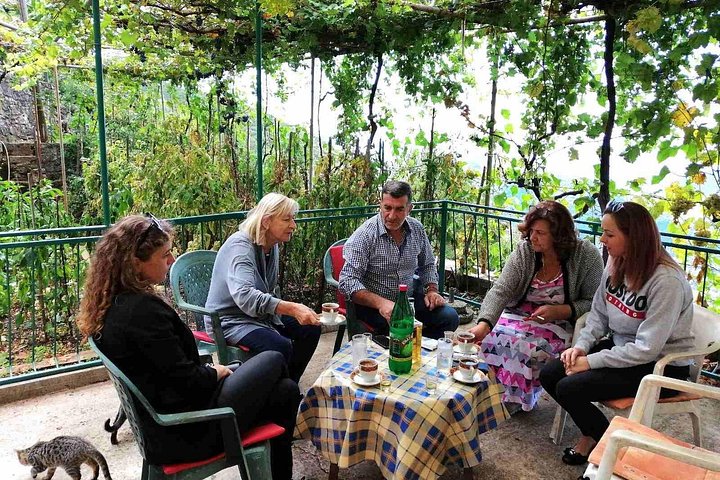
The Old Town has atmospheric terraces, but prices are higher and quality varies. Streets just outside the walls often offer better value. Beach bars at Jaz and Bečići are good for simple grilled fish and a view. In Petrovac and Sveti Stefan, waterfront restaurants offer similar menus with a quieter setting. For a deeper taste, join a food experience in the hills above town, where families serve cheese, ham, bread and olive oil.
Dietary needs
Vegetarians can eat well on salads, grilled vegetables, cheese pies and pasta, though many dishes are meat-heavy. Ask for dishes without meat, and mention allergies clearly. Gluten-free diets are possible with grilled fish and salads, but communication helps.
Etiquette
Service is relaxed, and meals can last a long time. Tipping around ten percent is common if service is good. Ask for the bill when you are ready, since it often arrives only when requested. Reserve ahead in summer, and be patient in busy places.
Markets and picnics
Fresh fruit, cheese and bread from a market or bakery make a fine beach picnic. Olive oil and honey from the hills are good souvenirs. In season, figs, pomegranates and citrus are especially good.
Sample day of eating
Start with coffee and a pastry or burek in the morning, have a light lunch of salad and grilled fish at a beach bar, then an afternoon ice cream on the promenade. For dinner, choose a terrace in the Old Town or a harbour restaurant and order a shared starter of local cheese and ham, followed by fresh fish or lamb. End with a glass of Vranac or a small rakija, and a slow walk home.
Ordering tips
Many places add a cover charge for bread, so check the menu. Fish by weight can surprise you at the bill, so ask for the price per kilo and have the fish weighed. Share starters, since portions are generous. If you like heat, ask for local chili or ajvar, a red pepper relish. Seasonal menus shine in spring and autumn.
Cooking and tastings
If you enjoy food, look for a hosted tasting in the hills or a wine tour. These experiences go beyond restaurant menus, introducing you to families who still make cheese, bread and brandy by hand. They are a highlight for many travellers and a gentle way to see inland Montenegro.
Sweet things
Look for palačinke, thin pancakes filled with chocolate, walnuts or jam, and for tulumbe and other syrup-soaked pastries that reflect the Ottoman heritage. Local honey, fig preserves and fresh fruit from the market make lovely snacks. Ice cream stands along the promenade are open until late in summer, and a scoop after dinner is a local habit that keeps the evening walk going. In autumn, roasted chestnuts and pomegranates appear.