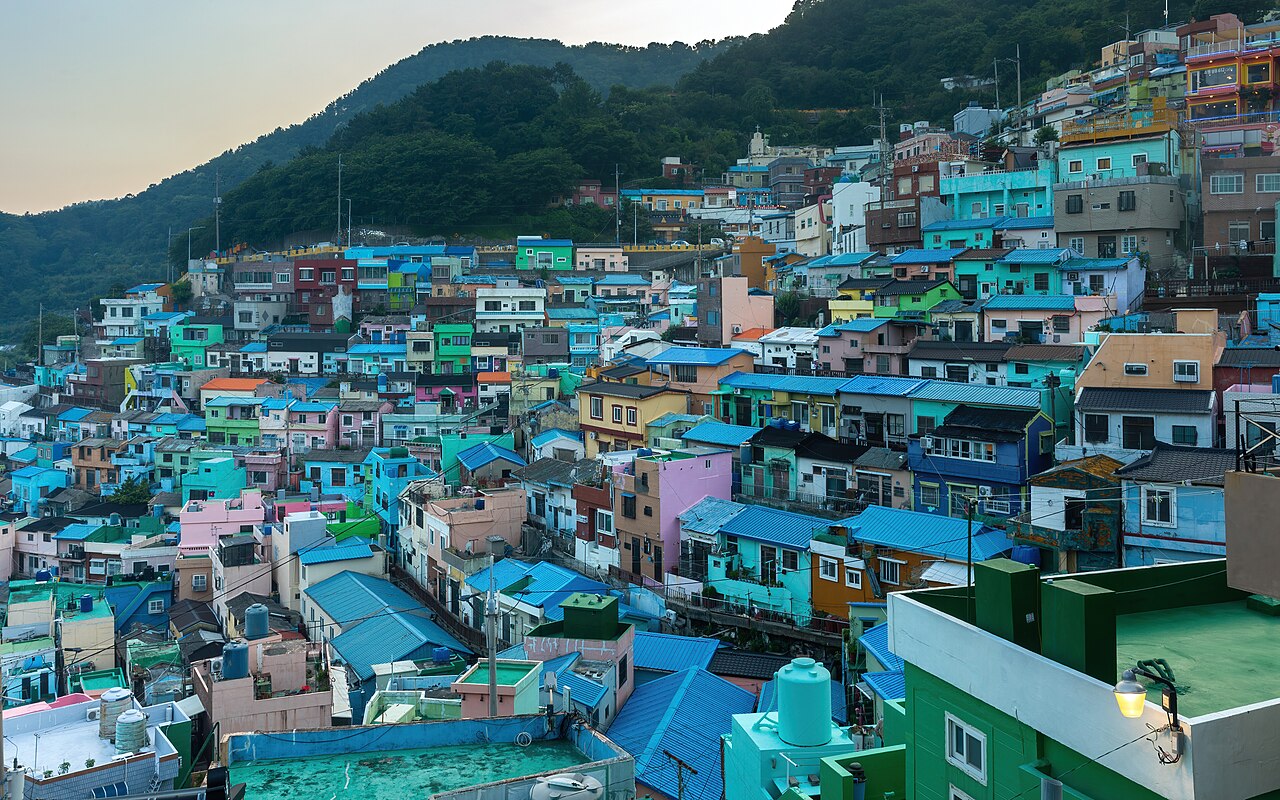
Busan is South Korea's great port city, a place of mountains, beaches, markets and temples stacked along a long coastline. It is bigger and more spread out than it looks on a map, so a little planning pays off. This guide covers what to book ahead, how to move around, how long to stay and how the headline sights fit together.
What to book ahead
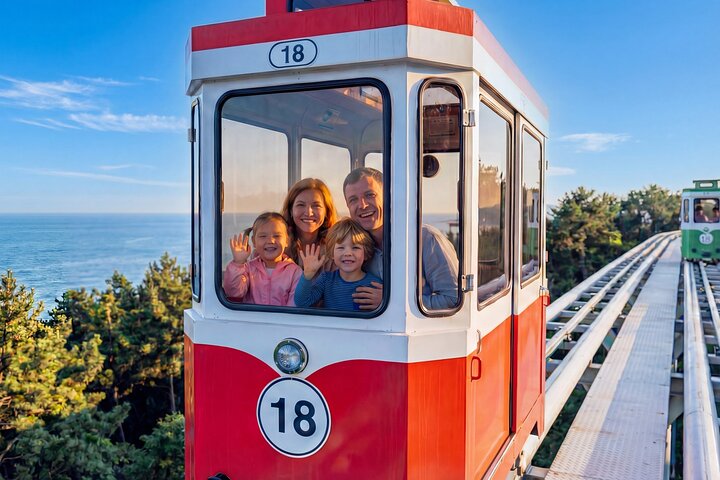
Only a handful of things need advance tickets. Busan X the Sky, the observation deck at the top of the Haeundae LCT Landmark Tower, is best with an admission ticket in hand, especially at sunset. SEA LIFE Busan Aquarium is easy to pre-book and an off-peak ticket can save money. The Blueline Park Sky Capsule and Beach Train run on timed slots that sell out on weekends, so reserve ahead or choose a small-group tour with a guaranteed seat. A night yacht tour is also worth booking, since small boats fill up. Everything else, from the beaches to Gamcheon Culture Village, Taejongdae Park and Jagalchi Market, you can simply walk into.
Getting around
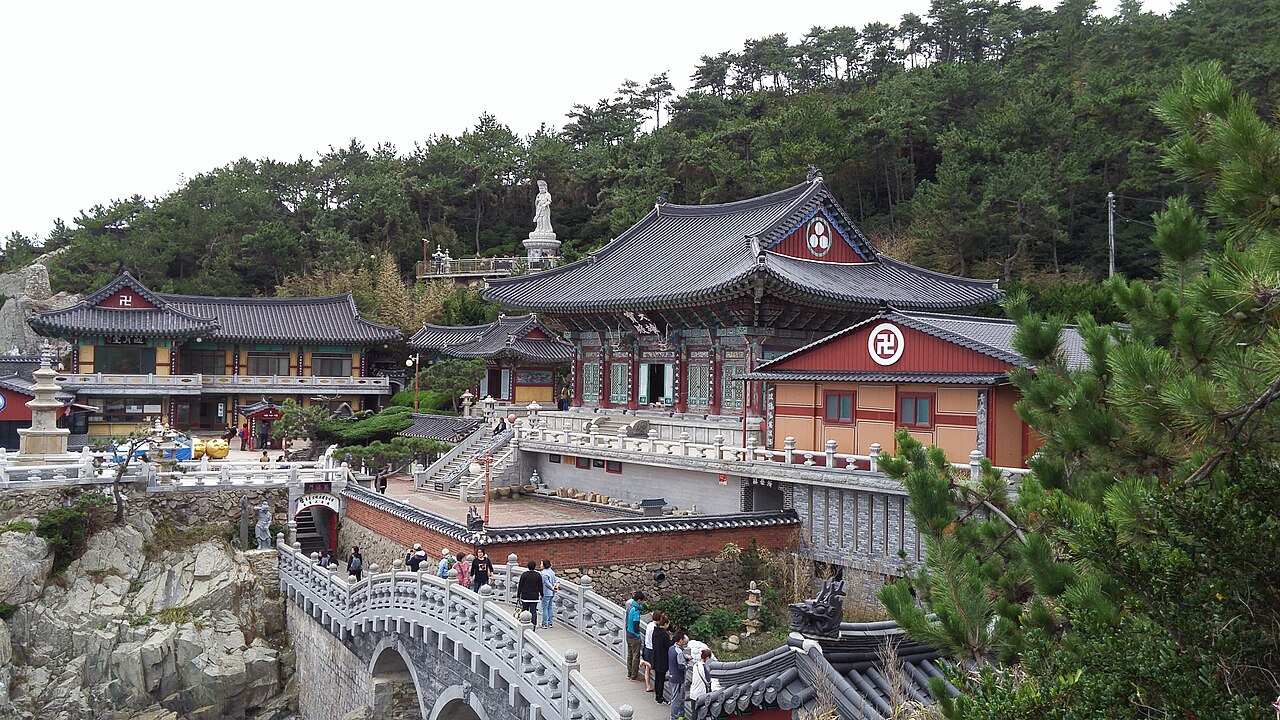
Busan's subway is clean, signed in English and the backbone of any visit. Line 1 runs through Busan Station, Jagalchi, Nampo and Seomyeon, while Line 2 reaches Gwangalli and Haeundae. Buy a rechargeable transit card at a convenience store and tap on and off, since it works on buses and subways. For places off the subway, such as Haedong Yonggungsa Temple and Gamcheon, use a bus, a village shuttle or a taxi, which is inexpensive. A guided small-group tour with pickup is a stress-free way to string together the east coast and the temple.
How many days
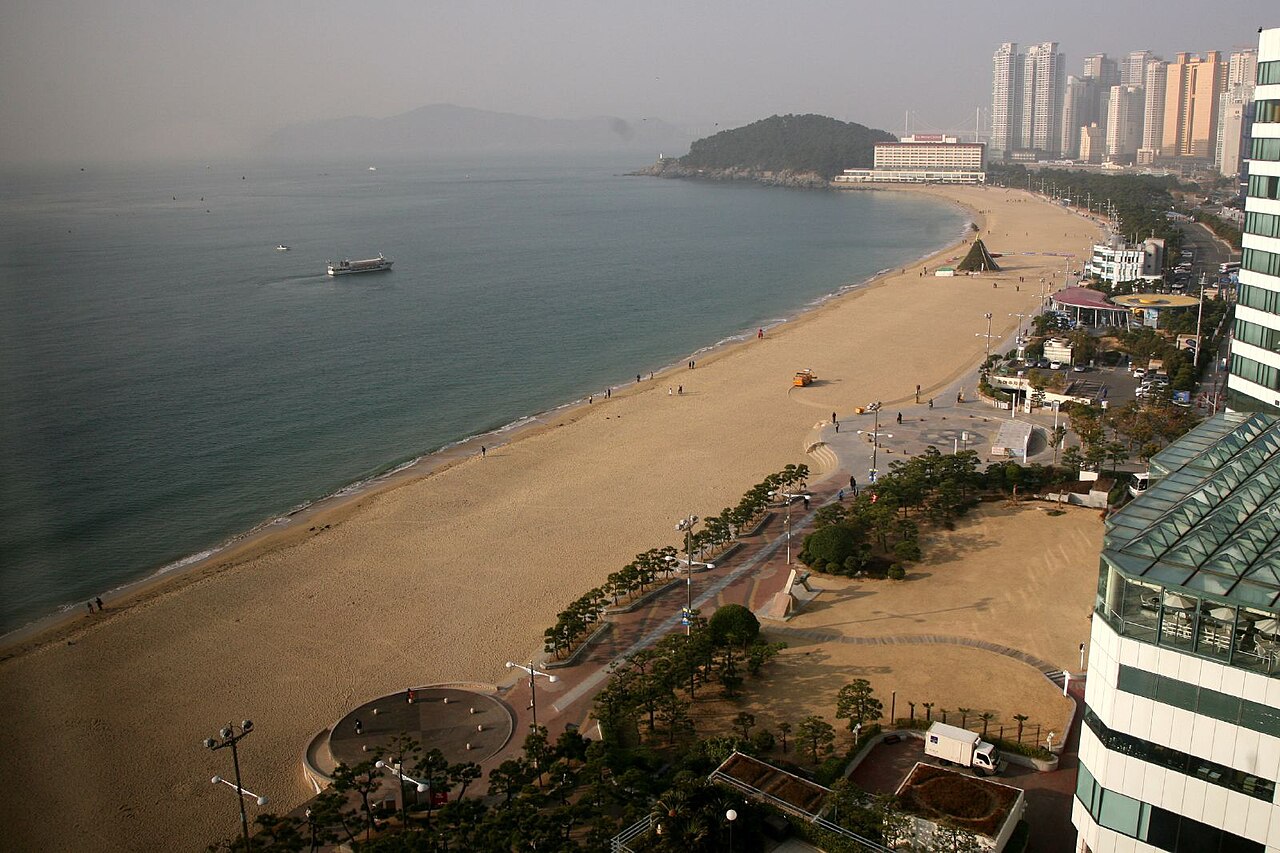
Three days is a satisfying first visit, four is comfortable and five lets you slow down. A simple plan is one day for the east coast, with Haeundae Beach, the aquarium and an evening at Busan X the Sky. A second day covers Blueline Park and Haedong Yonggungsa Temple. A third day takes in the old downtown, with Jagalchi Market, Nampo-dong and BIFF Square, then Gamcheon Culture Village in the afternoon. If you have a fourth day, add Taejongdae Park and the Songdo Marine Cable Car for sea cliffs and a crossing over the bay, or a night yacht tour from the Haeundae side.
Where the headline sights fit
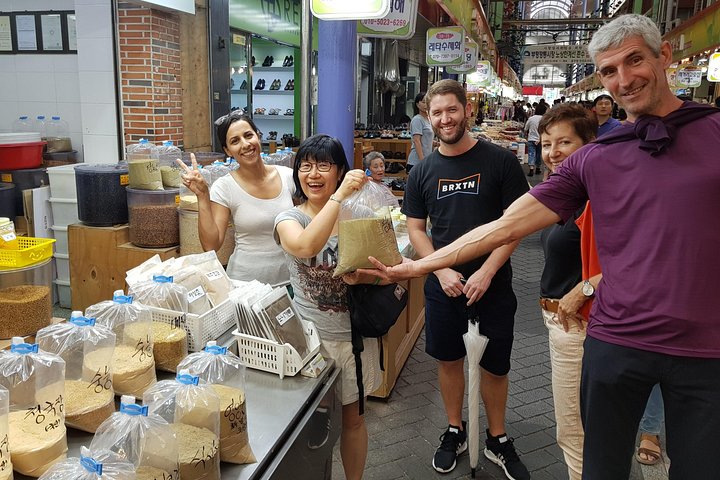
Haeundae and Gwangalli are the beach districts, best for views and evenings, and Haeundae is where the observatory, the aquarium and the beachfront hotels sit. The old downtown around Jagalchi, Nampo-dong and Busan Station is the city's historic core, full of markets and street food. Gamcheon sits on a hillside in the west, Songdo and Taejongdae lie on the southern coast, and Haedong Yonggungsa Temple is on the north-east coast. Distances are bigger than they look, so group by area and avoid crossing the city twice in a day.
When to go and what to expect
Spring and autumn are comfortable and clear, summer is hot and humid with crowded beaches, and winter is cool and quiet. Typhoon season in late summer can cancel boats and cable cars, so keep a flexible backup. Cash is useful at markets and small stalls, although cards are widely accepted elsewhere. Wear good walking shoes, especially for Gamcheon's steps and Haedong Yonggungsa's stairs, and dress modestly at temples. Many tours include hotel pickup and run in English, which is helpful if you want help with food and language.
Eating well
Try fresh seafood and sashimi at Jagalchi, hotteok pancakes at BIFF Square, pork soup rice called dwaeji gukbap, and milmyeon, the cold wheat noodles that Busan loves. Haeundae Market is a good place for inexpensive local meals, and a guided food tour can take the guesswork out of ordering. Pair a heavy meal with a walk along a beach promenade.
Final tip
Pick one hotel area and use the subway rather than moving every night. Haeundae suits beach lovers, Seomyeon suits a central base with shopping, and the old downtown suits food and market lovers. With the sights grouped by day, Busan is easy, affordable and memorable.