Busan has a coastal version of Korea's four-season climate, which means the sea softens the extremes but never removes them. Winters are cold and dry, summers are hot and humid, and the best weeks sit in spring and autumn. What matters just as much as temperature is what each season does to the sights: whether the beaches are open, whether boats and cable cars run, and whether crowds change the experience. This guide takes the year season by season.
Spring: the favourite for many visitors
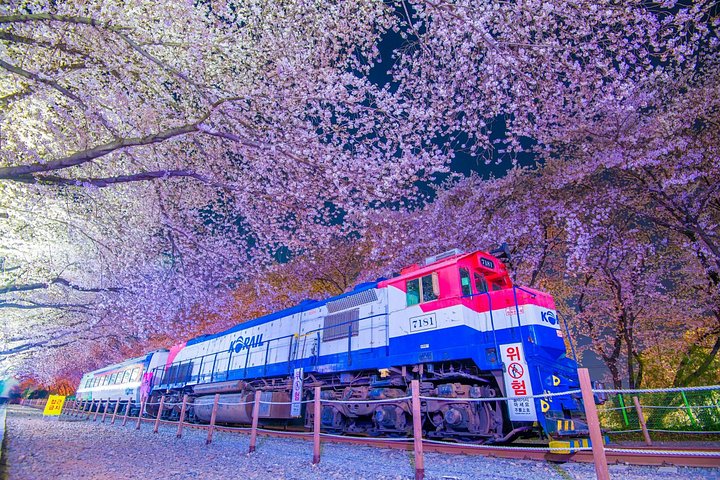
Spring brings mild days, fresh air and cherry blossoms. The best known display is at Jinhae, a naval town about an hour's journey from Busan, where thousands of cherry trees line streets, a stream and a railway track. The bloom usually falls in late March to early April, but it shifts with the weather each year, so stay flexible and keep a day free. Within Busan, the Nurimaru and Dongbaek area and the streets around Haeundae are pleasant for walking. Spring is also good for temples, the Skywalk coast and Taejongdae Park, since the trails are comfortable and the air is clear. Expect occasional hazy days and pack a light jacket for evenings by the sea.
Early summer: the rainy spell
From around June into July, Korea's rainy season brings heavy showers and humidity. It is not a constant downpour, but you should carry a compact umbrella and plan indoor alternatives such as SEA LIFE Busan Aquarium, Lotte World Adventure Busan or Spa Land. Outdoor viewpoints can be misty, so Busan X the Sky is best saved for a clear spell. Rain can also pause the Sky Capsule and the Songdo cable car.
Summer: beach season
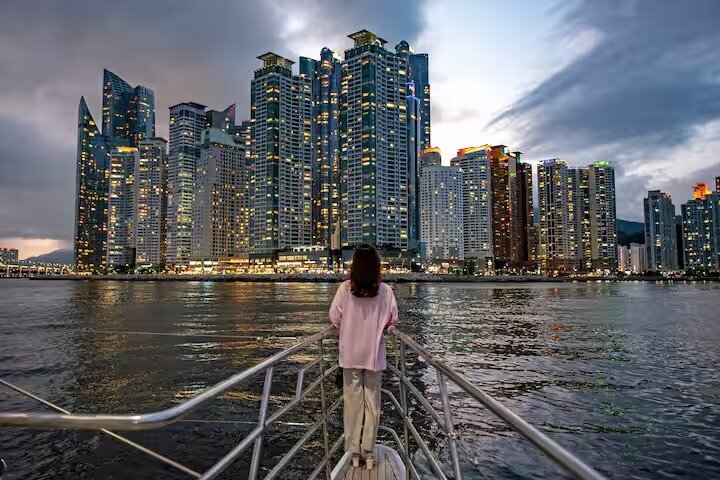
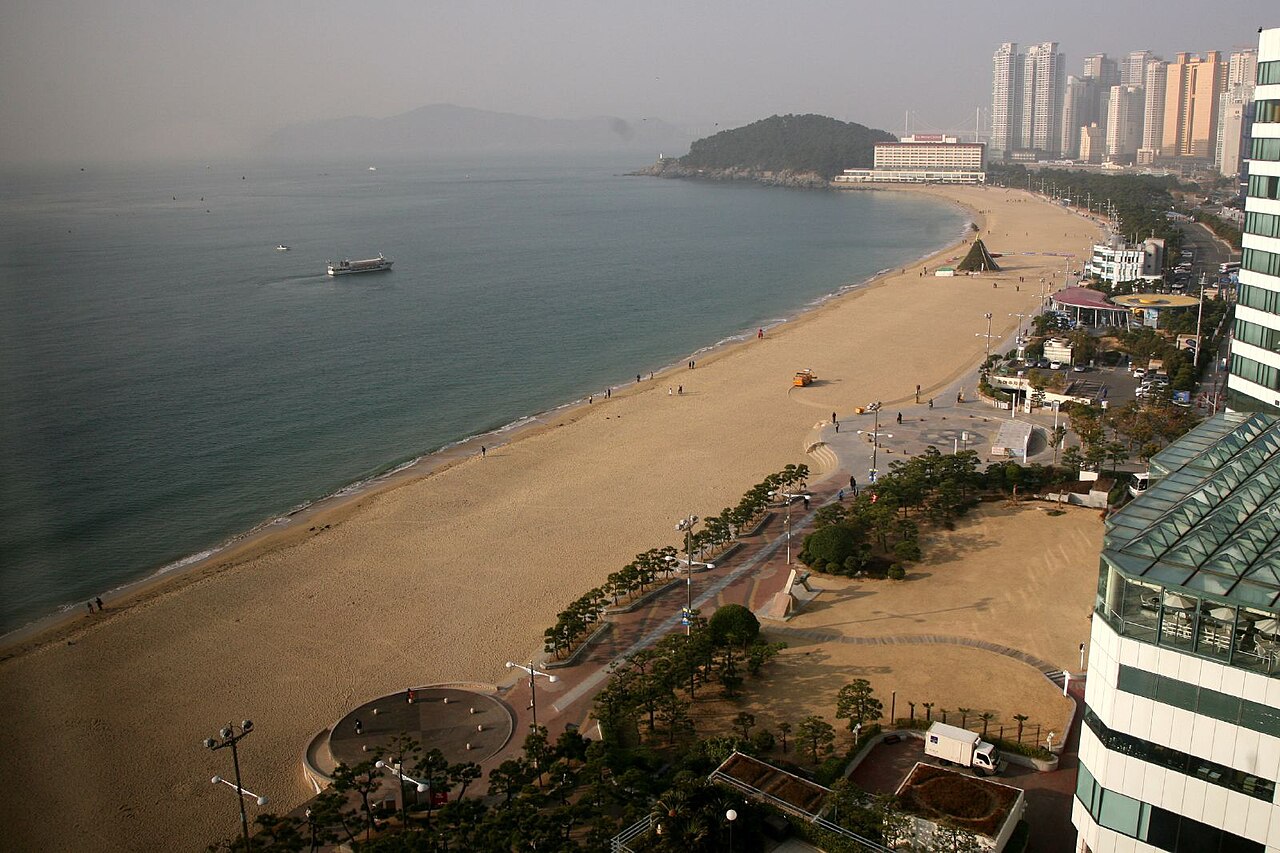
Haeundae and Gwangalli come alive in the hottest months, and the beaches are at their busiest, with umbrellas, swimmers and evening crowds along the promenades. This is the time for the beachfront hotels, the night yacht tour and late dinners by the water. It is also the most expensive season for rooms, so book early, especially for weekends. Heat and humidity can be intense, so plan outdoor sightseeing for the morning and leave the afternoon for the aquarium, a cafe, a spa or the beach. Late summer is also when typhoons are most likely to reach the south coast. A storm can close boats, cable cars, rides and some roads for a day or more, so choose flexible cancellation options and avoid planning a once-only experience for your last day.
Autumn: clear skies and comfortable days
Autumn is the other great season. The air is dry and bright, temperatures are comfortable for long walks, and the harbour and bridges look their best. Busan's big film festival is usually held in early autumn and fills the Haeundae and Nampo areas with visitors, and the city has traditionally held a fireworks festival around Gwangalli in the season. These events can push hotel prices up, so book early if your dates overlap. Autumn is an excellent time for Gyeongju, where the tombs, temples and ponds suit the softer light, and for Beomeosa, where the mountain slopes colour.
Winter: quiet and cold
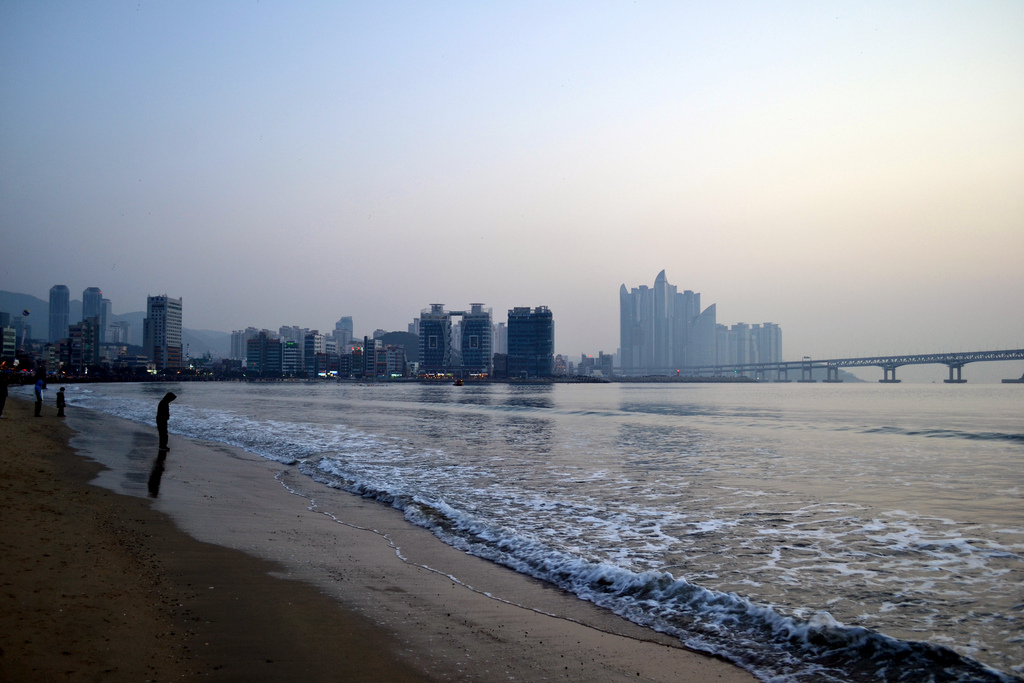
Winter is the low season. Days are cold and dry, with strong sea winds, and snow is uncommon in the city itself. The beaches are empty, many seasonal outdoor attractions quiet down and hotel prices are at their lowest. It is a good time for hot springs and spas, hearty soups, seafood markets and indoor sights. Viewpoints can be sharp and clear on bright winter days, and sunrise watchers get the coast almost to themselves. Dress in layers and bring a windproof coat.
Choosing your dates
For the best balance of weather, scenery and manageable crowds, aim for April to May or late September to October. For beach holidays and lively nights, July and August deliver, with higher prices and a risk of storms. For budget travel, quiet temples and spa days, go in winter. Whenever you visit, book timed experiences ahead for weekends and holidays, check the forecast the evening before any boat, cable car or Sky Capsule ride, and allow a buffer day in storm months.
What to pack
Bring comfortable walking shoes for Gamcheon's hills and the temple steps, a light rain jacket for the wet months, sun protection for summer and layers for winter. A rechargeable transit card, a power bank for your phone and a little cash for market stalls make every season easier.