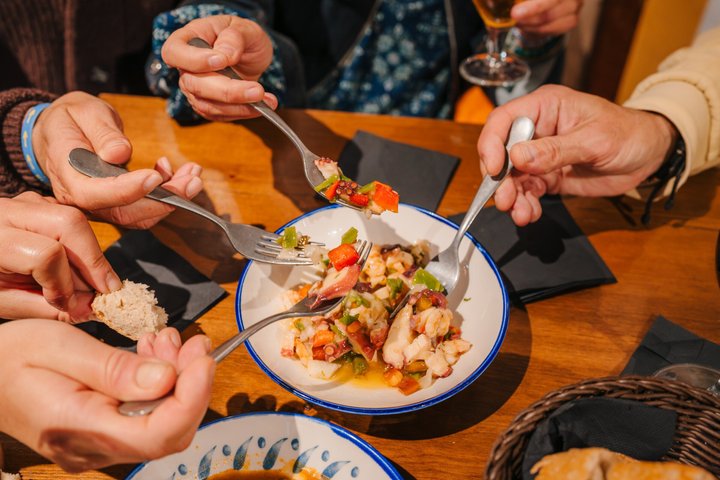
Eating in Cadiz is a pleasure built on seafood. The surrounding Atlantic waters supply prawns, anchovies, sea bream, squid, tuna and red mullet, and the city's cooks have developed a distinctive fried-fish tradition: light, crisp and served in paper cones or on small plates. Tortillitas de camarones, the thin prawn fritters, are the local signature, along with ortiguillas (sea anemones in batter), tuna from the almadraba traps, and cured meats and cheeses from the sierra. A food tour with a local guide makes these dishes less intimidating, because the guide chooses bars where the locals go, explains what you are eating, and lets you taste many small portions in one outing.
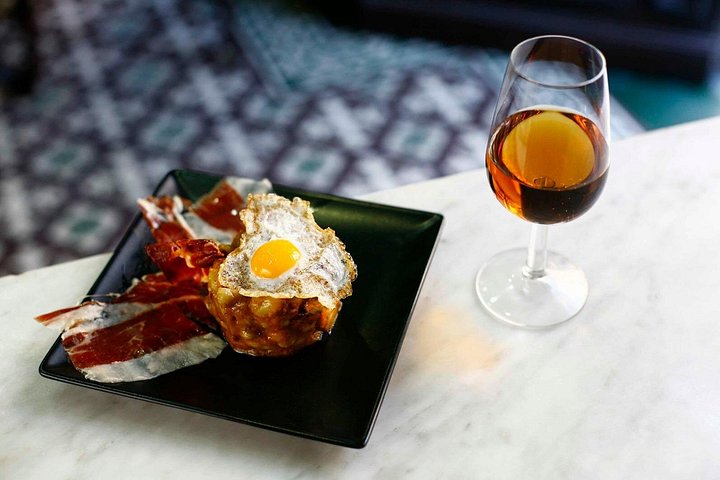
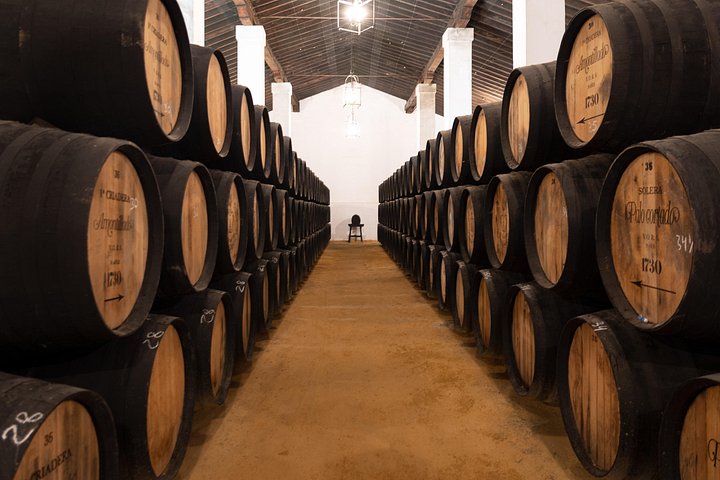
Typically a tour of this kind starts at a bar in the old town and moves between four or five stops, each with a drink. Sherry plays a prominent role because the Jerez triangle is nearby, and you might try a dry fino or manzanilla with the fried fish, or a sweeter wine with dessert.
A visit to the Mercado Central is also a common highlight, since the market is a lively, colourful place to see the fresh catch and local produce. The guide usually explains the cultural context as well: why the taverns are small, why tapas became a way of life, and how the habits of eating have changed.
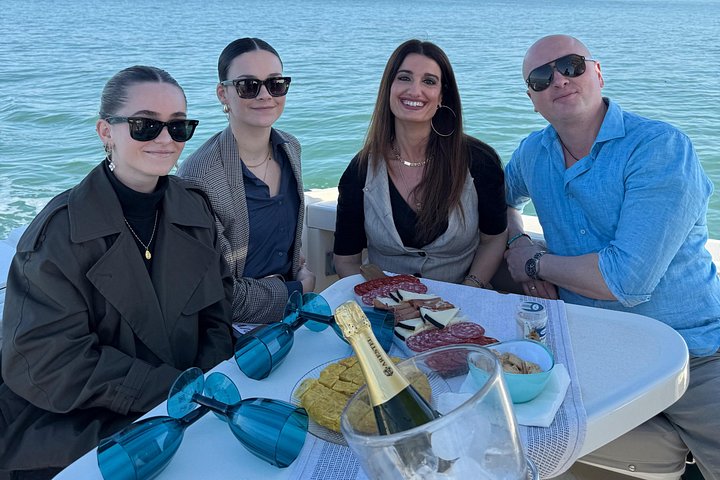
Exact stops vary between departures, so rely on the broad idea rather than a fixed menu. Tell the operator about allergies and dietary needs in advance, since fried fish and shellfish dominate the menu, and vegetarian options may be limited though possible. The tour tends to be a social experience, good for solo travellers who want company, and it works best as an early-evening activity so that you finish with a full stomach and few plans afterwards.
Food tours work best when you arrive prepared. Eat lightly earlier in the day so that you have room, and drink water between sherry tastings. Spanish dinner times are late, so an evening tour fits the local rhythm, and the old town's bars are at their liveliest from about eight o'clock. Cadiz has several food habits worth knowing.
Fried fish, called pescaito frito, is eaten with the fingers and a squeeze of lemon, and the batter is notably light because it uses fine flour. Tuna is a local pride: the ancient almadraba trapping method, practised on this coast for millennia, brings bluefin tuna in spring, and menus show every cut from belly to tartare.
Another speciality is the sweet tocino de cielo, a rich egg-yolk pudding, often with a glass of sweet sherry. Many bars have a chalkboard with the day's dishes, so ask what is fresh. The Mercado Central is another fixture: on a tour, you might stop for olives, cheeses and jamon. If you have a food allergy, say so clearly, since cross-contamination in fryers is common.
Tipping is modest in Spain; rounding up is enough. If you enjoy the tour, ask the guide to point you to a favourite spot for the next night, because the best knowledge is local. Wear comfortable shoes and bring a small bag.
What to expect
The experience
A guided walk with several tasting stops in tapas bars and a market, each with a small plate and a drink, led by a local.
Best time
Early evening, when the bars fill and the old town is lively, though lunchtime departures are also common.
How long
About three hours at a relaxed pace.
Tips
Arrive hungry, skip a big lunch, and mention allergies when you book. Vegetarians should ask in advance about options.
Quick picks
- Best for
- Food lovers and first-timers who want a shortcut to the best local bars.
- Families
- Older children who eat fish and fried food will manage; it is not designed for small kids.
- Couples
- A convivial evening with wine, small plates and a lot of conversation.
- Pair with
- Follow it with a sunset at La Caleta or an evening stroll around the cathedral plaza.
- Time needed
- Set aside the evening, about three hours.
Good questions
What dishes should I expect?+
Typical dishes include fried fish, tortillitas de camarones, local cheeses and cured meats, with sherry or local wine. Menus vary by stop.
Is it suitable for vegetarians?+
Vegetarians can often be accommodated with notice, but the local cuisine is heavily seafood-based, so mention your needs when booking.
Is alcohol included?+
Tastings usually come with drinks, but the specifics depend on the departure. Check the inclusions when you book.
How much walking is involved?+
Not much. Stops are close together in the compact old town, with short walks between them.
Do I need to book ahead?+
Yes, especially in spring and early autumn when the town is busy and small group sizes fill quickly.