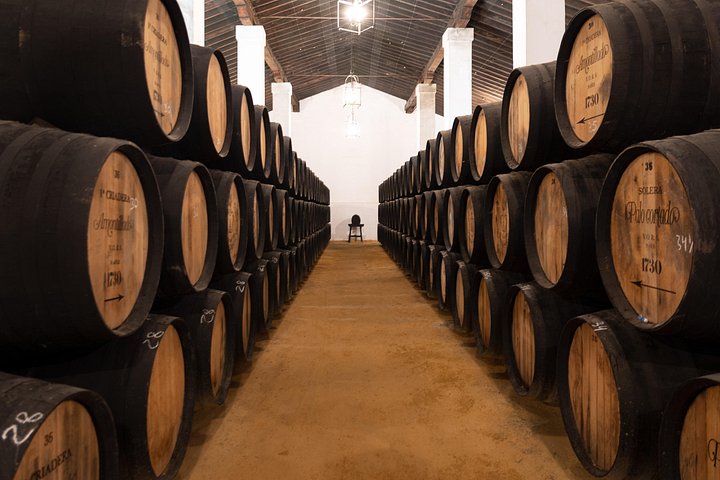
Sherry is the reason many people come to Jerez de la Frontera. The wine is produced only in the sherry triangle of Jerez, El Puerto de Santa Maria and Sanlucar de Barrameda, and the city's bodegas are some of the most atmospheric buildings in Andalusia: high, cool, whitewashed halls where thousands of oak casks lie in tiers, smelling of old wood and wine. The famous solera system fractionally blends wines of different ages by moving them gradually through the tiers, so that a bottle carries fragments of decades of vintages. A guided tour with tastings is the best introduction to this slightly mysterious world.
The tour title promises a guided winery visit with wine tastings in Jerez, which normally means a walk through the cellars, an explanation of the grape varieties (mainly Palomino, plus Pedro Ximenez and Moscatel), the effect of the flor yeast on fino and manzanilla, and the oxidative ageing of amontillado and oloroso. You may then taste a selection, often dry fino or manzanilla, a nutty amontillado, a richer oloroso and a very sweet PX. The bodegas that open to visitors include some of the best-known names, but the specific house depends on the product, so check when booking.
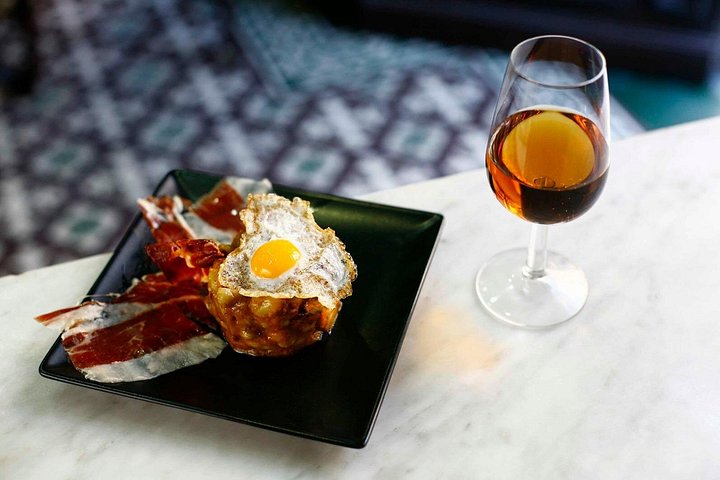
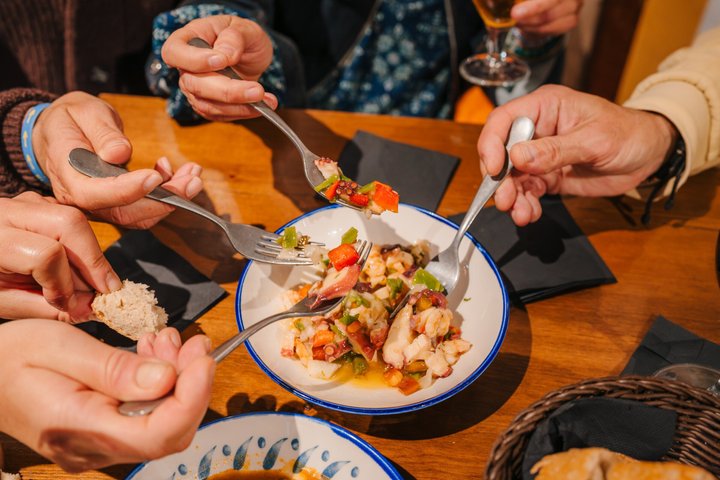
Sherry is a dry wine for the most part, a surprise to people who associate it with sweet cream sherry, and it is a superb food partner for seafood, ham and cheese. Tours often end with a few snacks. Visits are best booked ahead, since some bodegas have set tour times and language-specific departures. Wear comfortable shoes for the cellar floors, and a light layer, since the cellars are kept cool all year. Plan transport back, as tastings can be generous, and do not drive after a visit.
It helps to have a basic map of sherry before you go. The wine comes from the Palomino grape grown on chalky white soil called albariza, which holds moisture through the long dry summer. After fermentation, the wine is fortified and placed in casks that are deliberately not filled to the top. In fino and manzanilla, a film of flor yeast grows on the surface and protects the wine from oxygen, giving it a fresh, salty, almond character.
Amontillado begins under flor and then ages without it; oloroso ages without flor from the start and becomes rich and nutty. Pedro Ximenez is made from sun-dried grapes and tastes like liquid raisins and molasses. The solera system moves wine gradually through tiers of casks, so the oldest barrels hold a blend of many years.
Many bodegas keep their cellars at a steady temperature and sprinkle the floors with water to maintain humidity, which is part of the cool, quiet atmosphere. You may be shown barrels signed by famous guests and the tools used to draw wine. Choose a tour at a time of day that suits you: late morning visits are popular and can be followed by lunch in town.
Do not rush the tasting; take small sips and eat the snacks provided. Pace yourself if you plan several tastings. Whichever bodega you visit, ask questions: the guides know a great deal, and tasting becomes far more interesting when you understand the stories behind each cask. Remember to hydrate and eat something beforehand.
What to expect
The experience
A guided cellar visit with an explanation of sherry production and a tasting of several styles.
Best time
Any time of year; the cellars are cool in summer and mild in winter. Book mornings for the quietest tours.
How long
About 90 minutes to two hours.
Tips
Book ahead, eat something beforehand, and ask the guide to explain the difference between fino, amontillado and oloroso.
Quick picks
- Best for
- Wine lovers and curious travellers who want to understand sherry properly.
- Families
- Often allowed with children, who can skip the tasting, but check each bodega's rules.
- Couples
- A cool, atmospheric afternoon with a glass in hand.
- Pair with
- Pair with the Royal Andalusian horse show or a tapas tour in Jerez.
- Time needed
- Allow half a day including travel from Cadiz.
Good questions
What is the difference between fino and oloroso?+
Fino is pale and dry, aged under a layer of flor yeast. Oloroso ages without flor, becoming darker and nuttier.
Is sherry always sweet?+
No. Most sherry is dry, with sweet styles such as Pedro Ximenez the exception.
Can I take bottles home?+
Yes, bodega shops sell bottles at reasonable prices. Check airline rules for liquids if you fly.
How do I get to Jerez from Cadiz?+
Regional trains and buses link the two cities in under an hour, and driving takes around 35 minutes.
Do I need to book?+
Yes, especially in spring and autumn, when many tours fill. Some bodegas run set times by language.