Flamenco was shaped in a handful of towns in western Andalusia, and Jerez de la Frontera is one of its core homes. The old quarters of Santiago and San Miguel, historically gypsy neighbourhoods, nurtured families of singers, guitarists and dancers whose styles became part of the art's backbone. The bulerias, a fast, rhythmic form with a compas of twelve beats, is the style most closely tied to Jerez, and local artists are admired across Spain. A visit to a tablao, a small venue built for flamenco, is the best way for a traveller to experience the art up close.
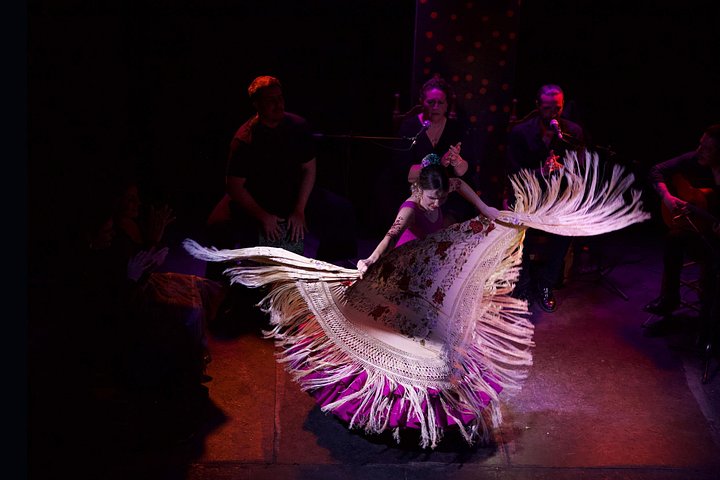
The product here is a show at La Guarida del Angel, a tablao in Jerez. A typical programme includes a guitarist, a singer, a dancer or two and the rhythmic clapping known as palmas. The room is small, so performers are close enough that you feel the stamping through the floor and hear the breath between phrases. The best performances have duende, a quality of raw emotion that locals describe as impossible to fake, and a small venue makes it easier to feel.
Practical details matter
Shows usually start in the evening, and seating may be unreserved or by category, so arrive early for a good view. A drink may be included, but check the details when booking. The performance is mostly for adults and older children; there is no strict dress code, but smart-casual is appropriate. If you want to understand more, ask the staff about local flamenco festivals, which in Jerez bring concerts and classes during the cooler months, and about the Flamenco Centre in the old town, which holds exhibits and sometimes shows.
To enjoy flamenco, it helps to know what to listen for. The cante, or song, is the heart of the art, a raw and expressive voice that often tells of love, loss and hardship. The guitar provides rhythm and harmony, the palmas mark the compas, and the dancer interprets the song with footwork, arm movements and posture. In Jerez, the bulerias is the form most often performed, and you may see the performers spontaneously join in, with the audience clapping along.
Do not applaud mid-song unless the mood invites it; calls of ole are part of the tradition. Seating is often arranged so that everyone has a clear view, and drinks are served at tables. The venue is small, so booking ahead is wise, particularly on weekends.
Evening shows may start late, and the schedule can shift with the season. If you want to deepen the experience, look for flamenco workshops, which are offered at various venues in Jerez, or for the annual festival in the cooler months when concerts fill the city's theatres and plazas. Consider combining the show with dinner, but check timing so that you are not rushed. Many visitors find it a highlight of their trip because it brings together music, dance and the unique local culture in an intimate setting.
Respect the performers by silencing phones and avoiding flash photography. Choose seats close to the stage if you want to feel the footwork, or toward the back if you prefer to watch quietly. Keep conversation low during the performance, and consider tipping staff modestly if the service is good.
What to expect
The experience
A live flamenco performance in an intimate venue, with guitar, song, dance and palmas.
Best time
Evening, when the shows run and the old town cools down.
How long
About an hour for the show.
Tips
Arrive early for the best seats, don't expect fast food service, and keep phones silent.
Quick picks
- Best for
- Anyone who wants to hear flamenco in its home region.
- Families
- Older children may enjoy it, but late evening times and loud stamping can be tiring for little ones.
- Couples
- A passionate, intimate evening that suits couples.
- Pair with
- Pair with a tapas tour or dinner in the old town.
- Time needed
- About an hour, plus travel and dinner.
Good questions
What is a tablao?+
A small venue where flamenco is performed, usually with the audience close to the stage.
Why is Jerez important for flamenco?+
Its gypsy quarters produced generations of singers, guitarists and dancers, and the bulerias is strongly associated with the city.
Is there a dress code?+
No strict code. Smart-casual is common.
Can I take photos?+
Often not during the show, since flash can distract performers. Ask the staff.
How do I get back to Cadiz at night?+
Check the last train or bus before you book an evening show, or plan a taxi or overnight stay in Jerez.