Cadiz sits at the end of a peninsula, and the province around it holds some of Andalusia's most beautiful and least crowded places. Seville, Gibraltar and Morocco are all reachable as longer trips, but this guide focuses on the best days that stay within the province: hill villages, a Roman town by the sea and a historic cape.
Choosing between hills and coast
The province divides neatly into the Sierra de Cadiz inland and the Costa de la Luz along the Atlantic. A hills day is about views, whitewashed lanes and cool air. A coast day is about beaches, light and history. Many visitors do one of each over a three-day stay.
The white villages
The pueblos blancos are hill towns with whitewashed houses, terracotta roofs and Moorish or medieval castles. Arcos de la Frontera is perched on a sheer cliff over a river, with a maze of lanes and a viewpoint over the plains. Grazalema lies in a natural park known for its high rainfall, and Zahara de la Sierra overlooks a reservoir. An organised excursion to the Sierra de Cadiz is easier than driving the winding roads yourself, and it gives you a guide for the history. Allow a full day.
Vejer de la Frontera
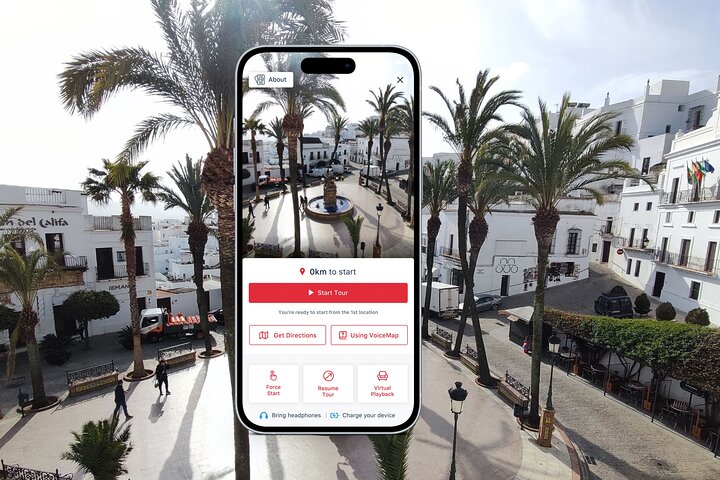
Vejer is the most beautiful small town on the coast side of the province. It sits on a hill about 50 kilometres from Cadiz and looks over the Atlantic. The old town is enclosed by walls, with gates, a castle, tiled plazas and a lively food scene. An audio guide is a good way to explore on your own. Spend a half day or stay overnight, and plan a swim at a nearby beach.
Baelo Claudia and Tarifa
Baelo Claudia is a Roman town by the sea, with a forum, theatre and fish-salting tanks beside the Bolonia dune. It is one of the most atmospheric ancient sites in Spain. Tarifa, a short drive away, is the wind capital of Europe, with a walled old town, kitesurf schools and views toward Morocco. Together they make a satisfying full day. Choose calmer days for the beach and bring layers for the wind.
Cape Trafalgar and Barbate
Cape Trafalgar is where Nelson won his great victory in 1805, and today it is a quiet headland with a lighthouse and a long beach. Boat tours leave from nearby ports and give a different angle on the coast, with swimming and snorkelling in summer. The nearby town of Barbate is known for tuna fishing, and in spring you can learn about the almadraba trapping method. Pair the cape with a beach lunch.
Getting around
Having a car makes these trips flexible, but organised excursions save stress, parking and fatigue. Public buses connect Cadiz with Vejer and some villages, but timetables can be limited. If you drive, avoid narrow village streets by parking at the edge, and expect hairpin roads in the sierra. Fill the tank before heading to rural areas.
When to go
Spring and autumn are the best for hills and ruins, with comfortable temperatures and good light. Summer is best for boats and beaches, but the heat is strong inland. Winter can be wet in the sierra, so bring a waterproof layer. Check the wind for coastal trips.
Practical details for each day
Carry cash for small village shops and cafes, wear shoes that cope with steep polished stone, and bring a charged phone for maps and photographs. Opening hours in small places can be short, with many shops closing from mid-afternoon until evening, so ask your guide or hotel about what is open on your chosen day. Sundays and local holidays change schedules, and some archaeological sites close one day a week. Tell the operator about food needs in advance, since village restaurants can be small. Finally, leave margin before any return train, ferry or evening show, because winding roads and sea winds can slow journeys.
Combining trips
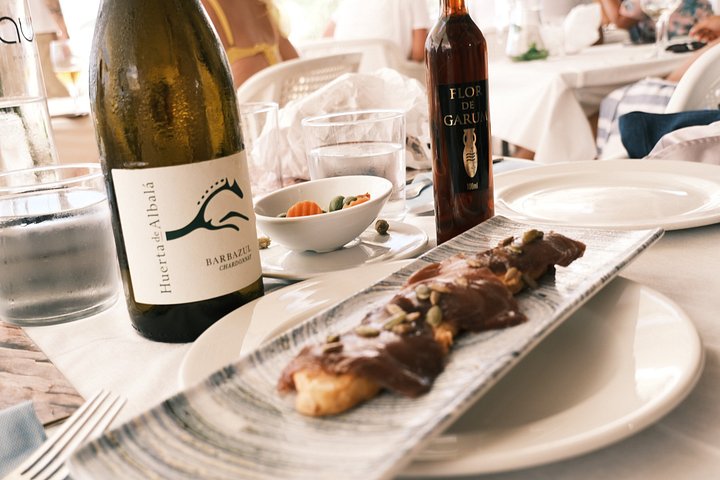
If you have only one day, choose by interest: Vejer for charm, the white villages for scenery, Baelo Claudia for history, or Trafalgar for the sea. If you have two, pair Vejer with Baelo Claudia on the coast road, and give the hills their own day. For all of them, start early and leave time for a long lunch, since in rural Spain the best meals come slowly.