Sherry is one of the world's great wines and one of the least understood. Many visitors expect something sweet and old-fashioned, and instead find pale dry wines that taste of almonds and sea air, and dark, rich ones that taste of walnuts and toffee. The only place to understand the range is in the sherry triangle, where the vineyards, the cellars and the taverns come together.
What the triangle is
Sherry may be produced only around three towns: Jerez de la Frontera, El Puerto de Santa Maria and Sanlucar de Barrameda. Jerez is the centre, with the largest bodegas and the grandest cellars. Sanlucar is the home of manzanilla, a fino-style wine shaped by the sea air. El Puerto adds its own cellars and a lively seafood scene. From Cadiz, Jerez and El Puerto are easy day trips.
How sherry is made
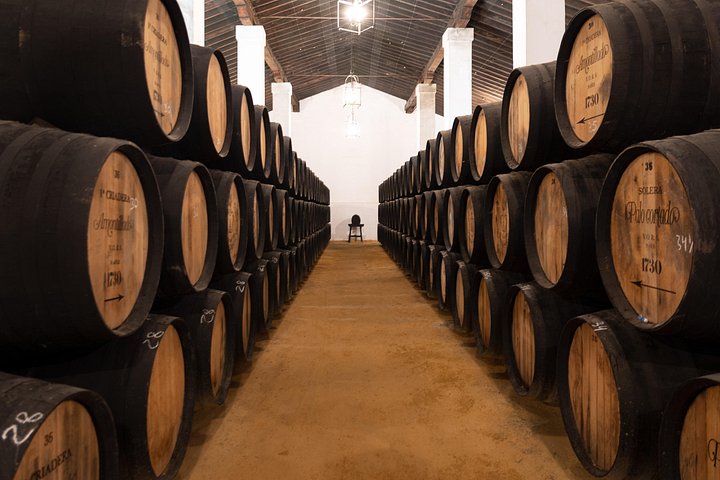
The wine begins as dry white wine from the Palomino grape, grown on chalky white soil called albariza that holds water through the dry summer. It is fortified with grape spirit and aged in oak casks arranged in tiers in the solera system. New wine enters the top tier, and wine from the bottom tier is bottled, with each tier refreshed from the one above. The result is a blend that carries traces of old wine, which helps explain why sherry tastes so consistent from year to year.
The styles to know
Fino and manzanilla are pale, dry and delicate, aged under a layer of flor yeast, and best served chilled with seafood, almonds and ham. Amontillado starts as a fino but continues ageing without flor, becoming amber and nutty. Oloroso ages without flor and is darker, richer and often dry despite its look. Palo cortado sits between amontillado and oloroso. Pedro Ximenez and Moscatel are sweet wines made from sun-dried grapes, wonderful with ice cream or blue cheese. Cream sherries are blends sweetened for easy drinking.
Choosing a bodega visit
Large bodegas offer polished tours with multiple languages and set times, often with a tasting of three or four wines. Smaller cellars may offer a more personal experience but need advance booking. Look for tours that include time in the old cellars rather than only a modern bottling hall, and check whether snacks are included. A tasting without food can be strong, so eat beforehand. A guided winery tour with tastings in Jerez is a good place to start if you have never tried it.
Beyond the cellars
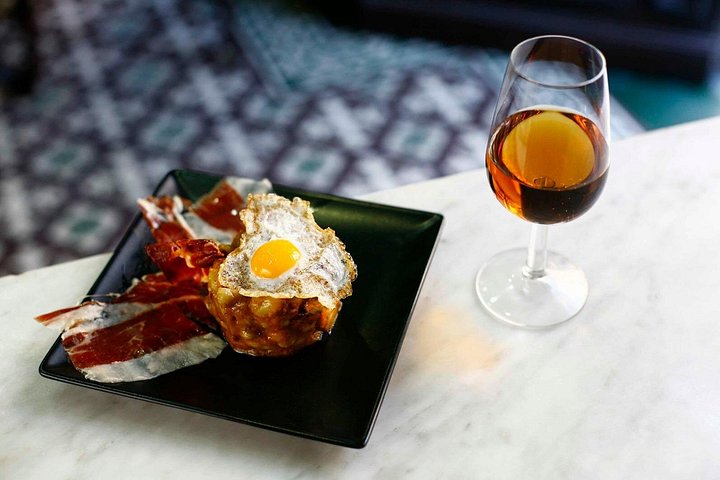
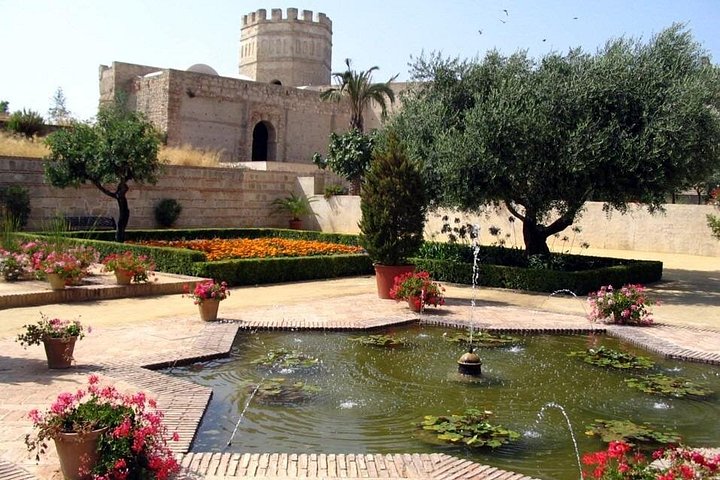
In the centre of Jerez, tabancos serve sherry directly from the barrel with simple plates of ham, cheese and anchovies. These are the places where locals drink, and they are wonderfully informal. A tapas tour can help you find the best ones. You can also visit the Alcazar, the cathedral and the Domecq Palace to see the city that sherry built. The Royal Andalusian horse show is another classic pairing, since horses and wine are part of the same aristocratic heritage.
Getting there
Jerez is about 35 minutes from Cadiz by car, and regional trains and buses link the two. The airport at Jerez receives flights from several European cities. If you plan to taste properly, avoid driving, and arrange a taxi or train. Many visitors choose to spend a night in Jerez to enjoy the evening tabanco scene.
When to go
Cellars are cool year-round, so any season works for tours. Spring brings the horse fair and Holy Week, which are colourful but busy. Late summer has the harvest, a lovely time to be in the region, with grapes drying in the sun for sweet wines. Autumn and winter are quieter and flamenco festivals bring music to the city.
Tasting like a regular
Hold the glass by the stem, smell first, and take a small sip. Fino and manzanilla should taste fresh and salty, with almond and green apple notes; oloroso should feel round and warm, with walnut, orange peel and a long finish. Do not be shy about asking for another style next to the first, since comparing them side by side is the fastest way to learn. Locals often drink fino with food through the whole meal, which is a habit worth copying. If you buy bottles, ask which ones are best consumed young and which will keep, because fino is best fresh while oloroso and amontillado last longer once opened.
A simple day plan
Morning bodega tour, a light lunch of tapas in a tabanco, an afternoon at the Alcazar or the horse show, an evening flamenco performance, and a late dinner. It is a day of small pleasures that gives the full flavour of sherry country, and it fits easily into a stay in Cadiz or a night in Jerez itself.