Cadiz is a small city with a big hinterland, and three days is the ideal length to see both. The old town can be covered in a day, but the region around it, sherry bodegas in Jerez, white hill towns, Roman ruins and wild Atlantic beaches, rewards a little more time. This plan puts the city first, then adds Jerez, then lets you choose between the hills and the coast.
Before you go: book the timed things
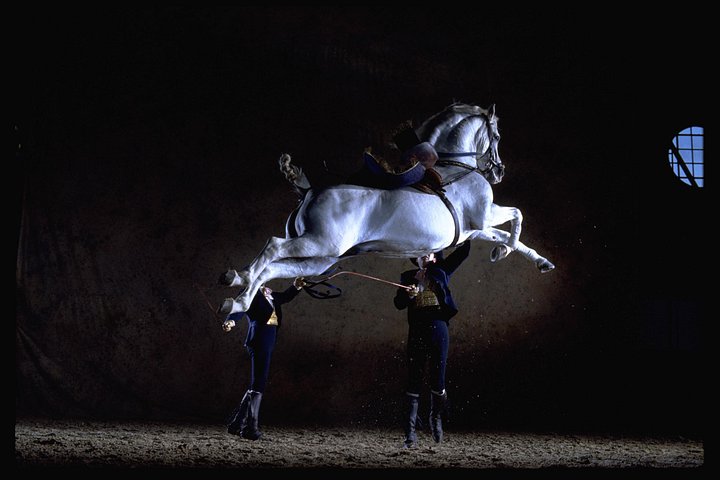
The Royal Andalusian horse show runs only on certain days, so check the weekday calendar and fix your Jerez day around it. Bodega tours and flamenco shows also have set times and limited places. Torre Tavira sessions are timed, and a tapas tour is best reserved a few days ahead. Everything else in Cadiz can be decided on the spot.
Day one: the old town on foot
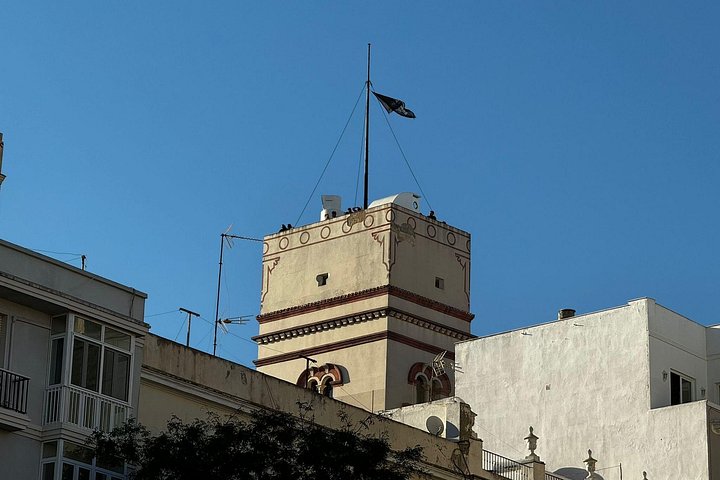
Start with a guided walk in the morning so that the layout of the city makes sense: the Pópulo quarter, the plazas, the sea walls and the story of the 1812 constitution. Visit the cathedral and climb its tower for the first big view. Lunch at a tavern near the market is the natural next step, with fried fish, prawn fritters and a glass of chilled fino. In the afternoon, visit the Roman theatre and Torre Tavira, timing the camera obscura for the brightest hours. As the day cools, walk to La Caleta for the sunset, then eat tapas in the old town. If you have energy, end with a stroll around the cathedral plaza when the lights come on.
Day two: Jerez, sherry and horses
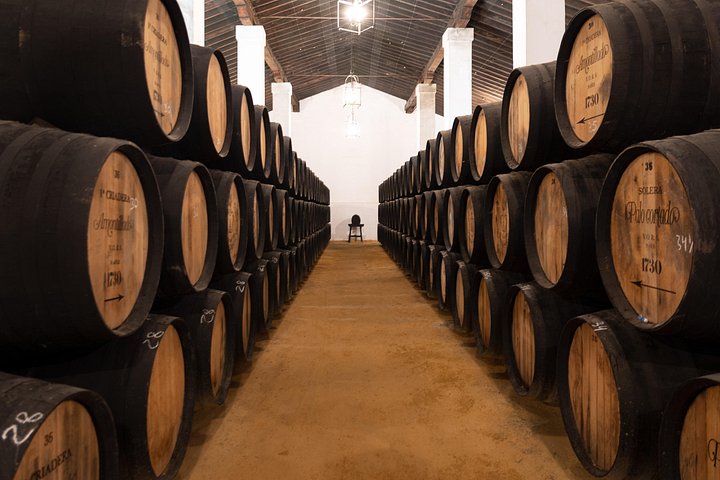
Take the regional train or drive the 35 minutes to Jerez. Begin with a bodega tour in the morning, when cellars are cool and tastings are unhurried. Learn the differences between fino, amontillado and oloroso, and buy a bottle if you wish. After lunch, visit the Alcazar and the cathedral, then, if it is a show day, head to the Royal Andalusian School for the horse show. Evening in Jerez means tabancos and tapas, and, if you can arrange it, a flamenco performance in a small tablao. Check the last train back to Cadiz, or stay overnight in Jerez, which is easy and pleasant.
Day three: choose your landscape
If you like hill villages and views, take a day trip to the white villages of the Sierra de Cadiz, with Arcos de la Frontera as a likely highlight, or to Vejer de la Frontera for a gentler day. If you prefer coast and history, head south to the Roman ruins of Baelo Claudia, the Bolonia dune and Tarifa, or take a boat trip off Cape Trafalgar. Both options are long days if you go independently, so consider an organised excursion, particularly if you do not have a car.
Moving around
Cadiz old town is best explored on foot, and the compact layout means few transport needs. For the beach district and the modern city, use buses or taxis, or the hop-on hop-off bus if you want an overview. The train from Cadiz to Jerez is straightforward, and regional trains also run toward Seville. A car is useful for the white villages and the coast but is a burden in the old town, where parking is tight. Consider renting for just the day trip.
Pacing and seasons
In summer, start early, rest in the afternoon, and use the evenings, when Spaniards wake up and the streets are full. In winter and spring, daytime sightseeing is comfortable, but bring a layer for the Atlantic wind. February's Carnival and Holy Week in spring are exceptional but crowded; book rooms and tables early if you travel then.
Where to stay
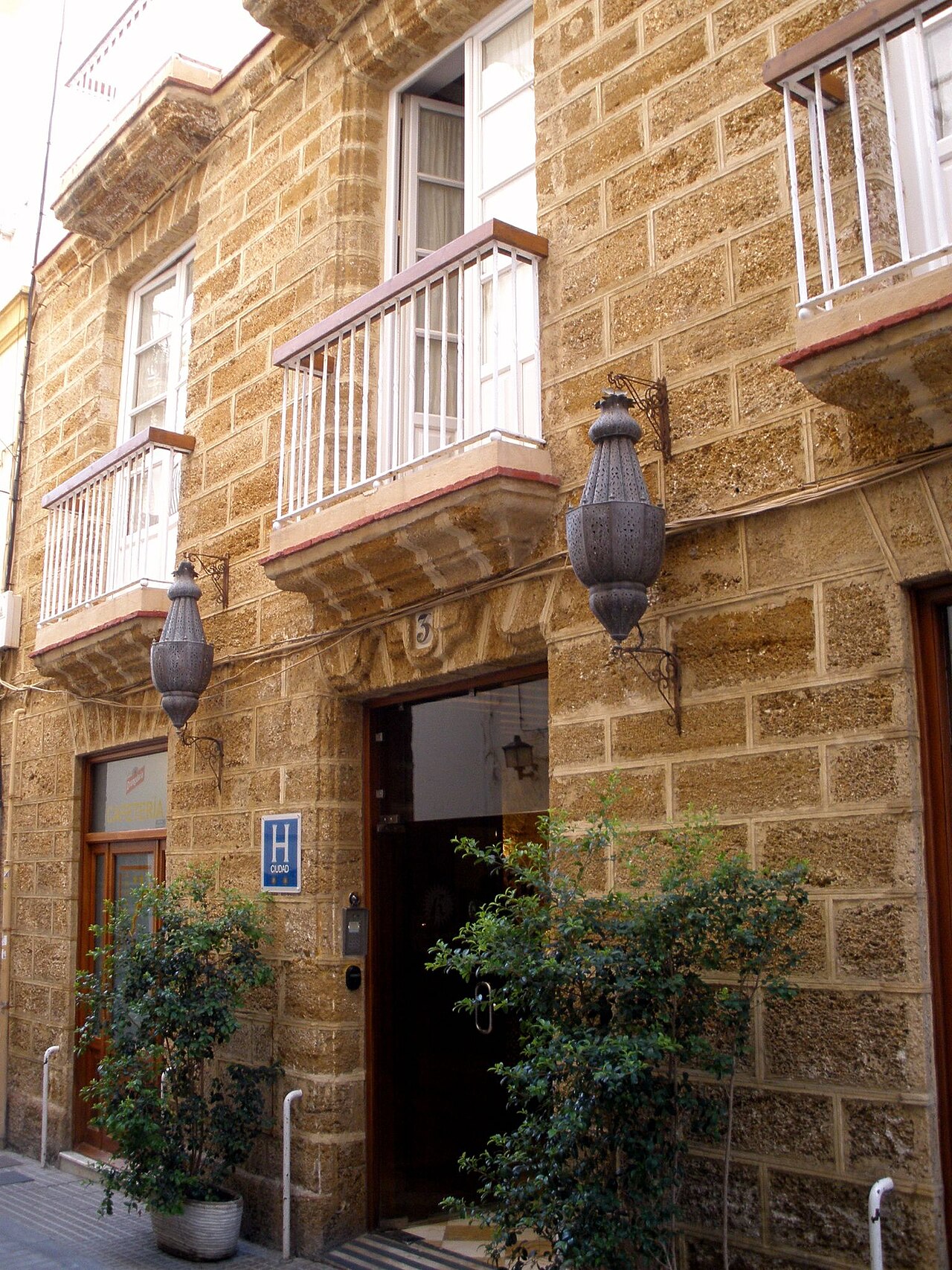
For this plan, an old-town hotel such as a boutique place near the cathedral lets you walk to everything on day one and return easily after day trips. If you prefer the sea, the Parador on the Atlantic edge is an easy option. Another idea is to spend the second night in Jerez, which allows a relaxed evening of flamenco and sherry without worrying about trains.
If you have extra time
Add a night in El Puerto de Santa Maria for seafood and a ferry across the bay, or a night in Vejer for evening views. If you have only two days, combine the old town into one day and Jerez into the second, skipping the hills and the coast. If you have four, add both days of the third-day options. However you build it, remember that the best moments in this region are often unplanned: a conversation in a bar, a view from a wall at dusk, a plate of fried fish that arrives without being asked for.