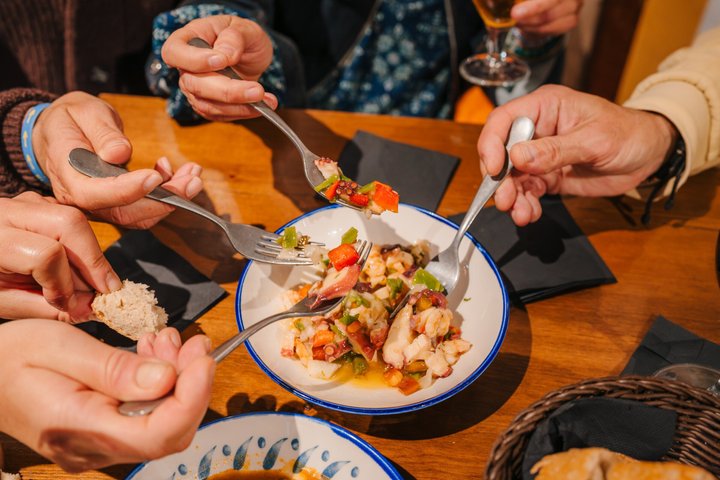
Cadiz is one of the best places in Spain to eat seafood, and one of the cheapest. The reason is simple: the fish comes out of the Atlantic that surrounds the city on three sides, and the cooking has been refined over three thousand years of trading and feasting. This guide explains what to order, how to order it, and when to be hungry.
The fried fish tradition
The classic is pescaito frito, small fish and seafood dusted with fine flour and fried in olive oil until crisp. Typical choices include anchovies, red mullet, squid, small hake and cuttlefish, usually served in a mixed plate or by weight. Eat with your fingers, squeeze lemon, and pair with a cold glass of manzanilla or fino. The lightness of the batter is the mark of a good freiduria, a specialist frying shop.
Signature dishes
Tortillitas de camarones are thin crisp fritters made with tiny shrimp, parsley and chickpea flour, and they are the city's emblem. Ortiguillas are sea anemones in batter, a more adventurous choice. Tuna from the almadraba, an ancient trapping method used on this coast, appears in spring and appears on menus in many cuts, from tartare to seared belly. Other classics include fresh prawns, razor clams, stews with potatoes and local cheeses from the sierra. For dessert, tocino de cielo is a rich egg-yolk pudding, often served with sweet sherry.
The market
The Mercado Central is the place to see the catch laid out on ice, alongside fruit, olives, cheese and cured ham. Around the market, small bars serve fresh seafood and simple plates, and you can sample as you wander. Go in the morning when the stalls are full, and arrive hungry.
Meal times
Spain eats late. Lunch is usually from two to four, and dinner from nine onward, though tapas bars open earlier in the evening. Many kitchens close between meals. If you want an early dinner, look for places that cater to visitors, but locals will be eating much later. Be flexible and join the rhythm: a late lunch, a rest, and an evening of small plates.
How to order tapas
Tapas are small plates, often shared. Order a few at a time, watch what others have, and ask what is fresh that day. Some bars offer a free small plate with a drink, a tradition that varies by town. Standing at the bar is normal and often cheaper than a table. Keep track of the paper napkins on the floor: in some bars they show how popular the place is.
Sherry with food
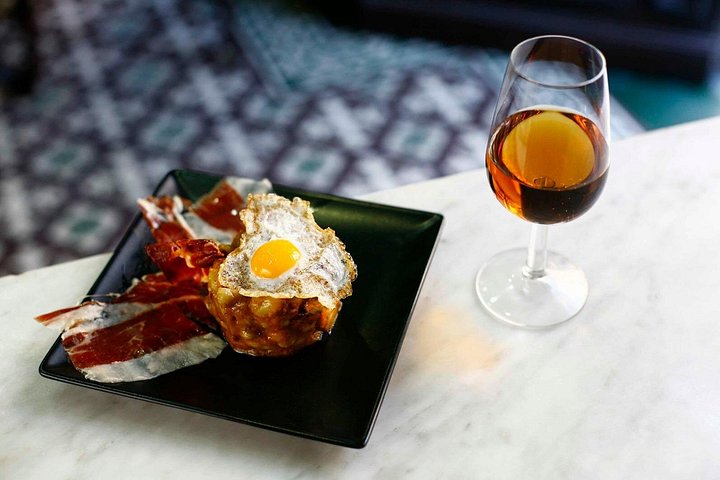
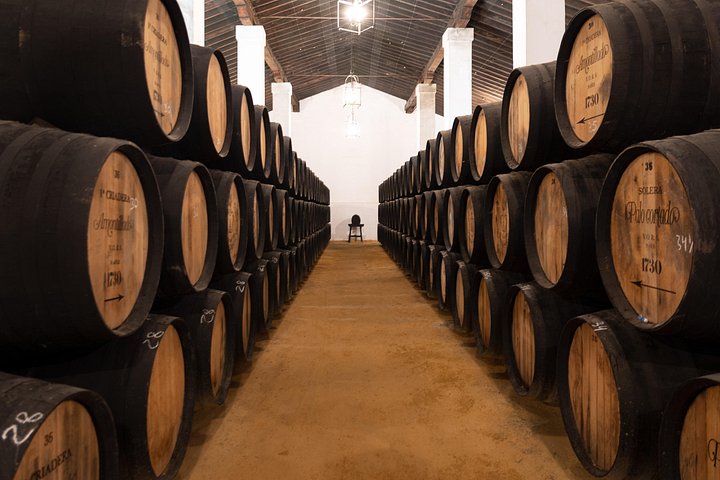
Sherry is the natural partner for Cadiz food. Fino and manzanilla suit fried fish, prawns and ham; amontillado goes with cheese and mushrooms; oloroso suits meat stews; sweet wines go with dessert. Ask the waiter for a recommendation. Many bars pour sherry by the glass at reasonable prices.
Dietary needs
Seafood dominates, so vegetarians need to ask for options such as tortilla, grilled vegetables, salads and cheese plates. Gluten is common in the flour coating of fried fish. Tell staff clearly about allergies, and consider a guided food tour where the guide can help communicate with the kitchen.
Budget and tipping
Cadiz is good value. A plate of fried fish, a few tapas and a glass of wine cost far less than in many European cities, and the quality is high even in simple places. Tipping is modest: leaving small change or rounding up the bill is normal, and a service charge is not usually added. Cash is handy in tiny bars, though cards are widely accepted. Prices at tables on the main plazas are usually higher than at the bar or in side streets, so walk a block or two for better value. Ask whether fish is sold by weight, and check the price per kilo before ordering, since a large plate can add up quickly.
Beyond the old town
The beach district has seafront restaurants with sea views, and across the bay El Puerto de Santa Maria is famous for its waterfront seafood row. In Jerez, tabancos and rabo de toro are the highlights. A guided tapas tour in Cadiz or Jerez is a good way to taste widely, learn the etiquette and find places you can return to.