Three days is enough to see the best of Cape Breton if you accept that the island is large, the roads are slow and the Cabot Trail alone can fill a day and a half. This plan assumes you have a car, start in Baddeck and travel between late spring and mid-autumn, when most attractions are open. If you arrive from Halifax, allow about four hours to drive to Baddeck, or fly into Sydney and drive about an hour. Swap days around to suit the weather, because fog and rain on the highlands can spoil the views.
Day one: Baddeck and the lake
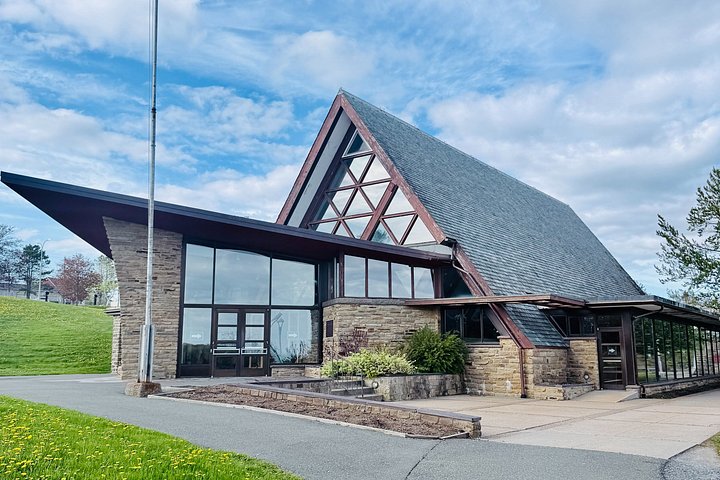
Spend the first day around Baddeck, the village on the Bras d'Or Lake where the Cabot Trail begins and ends. Start at the Alexander Graham Bell National Historic Site, which tells the story of the inventor who made his summer home here, and give it a morning. After lunch, walk the waterfront, and in July and August take the free ferry to Kidston Island for the beach and the lighthouse. If you still have energy, drive the Mini Cabot Trail around St. Anns Bay in the afternoon, stopping at the Gaelic College if it is open, or go to the Highland Village Museum at Iona for a look at Gaelic settler life. Stay in Baddeck, where Inverary Resort, Lynwood Inn, Telegraph House and Auberge Giseles Inn all offer different styles of base.
Day two: the Cabot Trail
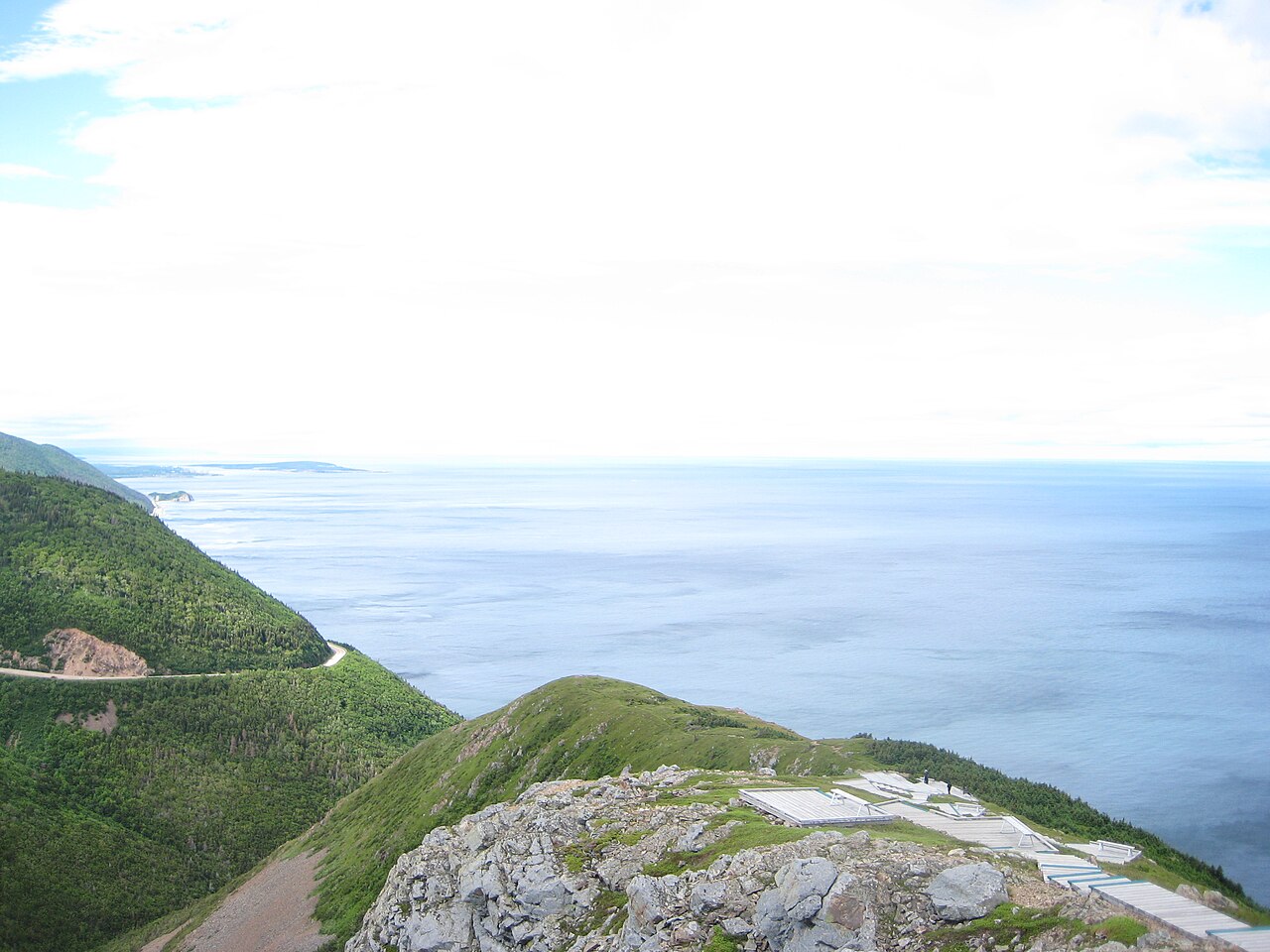
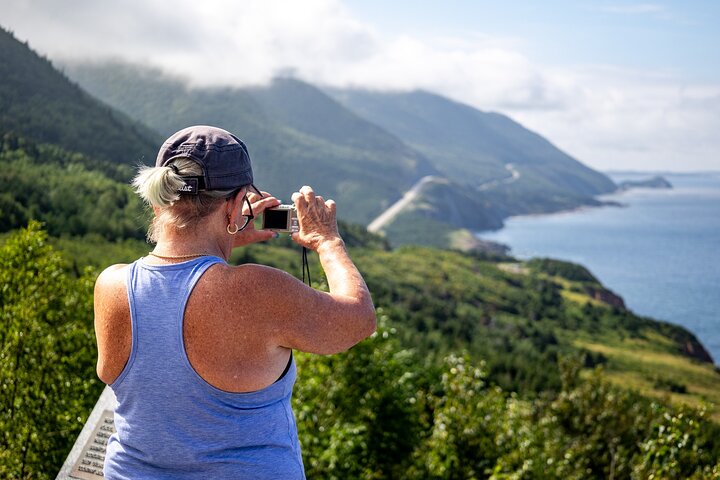
This is the big driving day. Fill the tank in Baddeck and head around the loop, either direction. Anticlockwise keeps you on the seaward side for the best cliff views, and clockwise gives you the Margaree Valley and Chéticamp first. Stop at lookoffs, and plan a lunch in Chéticamp, where Les Trois Pignons is a good indoor stop for Acadian culture and rug hooking. In the afternoon, walk the Skyline Trail in the national park, which takes two to three hours and is the best-known hike on the island. In peak season Parks Canada asks visitors to reserve parking for the trail online, so check ahead. If you can spare the time, a small-boat whale and seal cruise from Pleasant Bay runs in summer and is worth booking early.
Where to sleep on day two
The full loop is about 300 kilometres, and it is better as two days than one. If you can spare an extra night, stay in Chéticamp, Pleasant Bay or Ingonish, and take your time. Keltic Lodge at Ingonish Beach sits on a headland next to the Middle Head Trail, an easy sea-cliff walk that is a good short outing for the end of the day. Many small inns on the west side of the park close from mid-October to mid-May, so confirm dates before you plan an autumn trip.
Day three: history or music
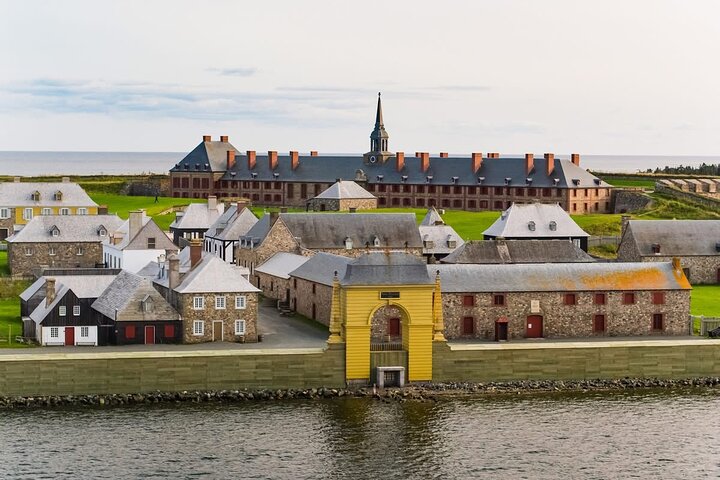
For the third day, choose between two directions. If you prefer history, drive from Baddeck to the Fortress of Louisbourg, a reconstructed 1740s French town with costumed guides, which is about two hours away and takes most of a day in the warm season. Add the Louisbourg Lighthouse coastal walk late in the day, and sleep in Sydney, where the Hampton Inn and the Comfort Inn offer reliable year-round rooms. If you prefer music, drive south on the Ceilidh Trail to Judique for the Celtic Music Interpretive Centre and on to Glenora for a distillery tour and live music at the Washback Pub, then head for the causeway. This is a good route if you are leaving the island by road.
If you have a fourth day
Use it on the part of the island you skipped. Sydney and Glace Bay make a good half-day of urban history, with the Cape Breton Miners' Museum, the Marconi National Historic Site and a walk through historic downtown Sydney. Or add a second night on the Cabot Trail and walk another trail in the park, such as the Middle Head Trail.
What to book ahead
In July, August and the autumn colour weeks, reserve rooms before you leave home. The whale cruise, the guided Cabot Trail tour and the Skyline Trail parking all have limited capacity. The Bell site, the Fortress and most museums do not need reservations in normal conditions, but check their hours, which are seasonal and sometimes weekday only.
Weather and pacing
Cape Breton weather changes quickly, so carry a windproof, waterproof layer and sturdy shoes even in summer. Cell service is unreliable in the highlands, so carry a map. Roads are narrow and winding, and moose can step onto the road at dusk, so avoid driving long stretches in the dark. Build in slack: most visitors find that the real pleasure of the island is the pace, with a long lunch in a fishing village, a walk on a quiet beach and an evening of fiddle music.
If the weather turns
Fog on the highlands can hide the Cabot Trail views entirely. On a wet day, swap in indoor stops: the Bell site, Les Trois Pignons, the Gaelic College or the Miners' Museum, and save the trail for a clearer morning. Because the island is small in population, the best weather plan is simply to stay flexible and keep one spare half-day in the schedule.