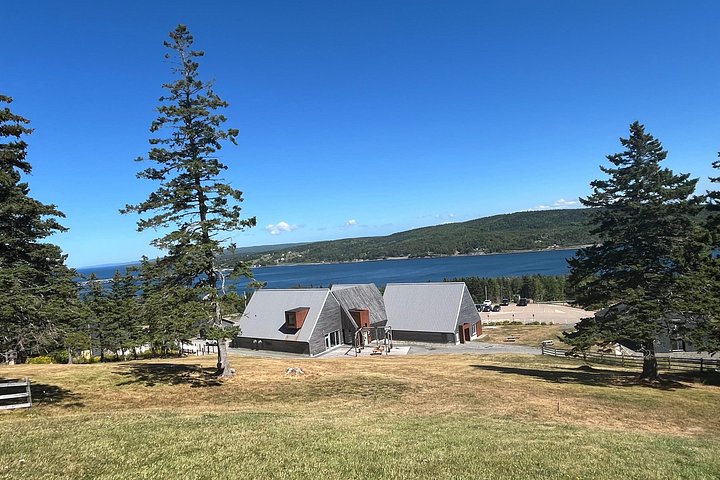
Cape Breton is one of the few places outside Scotland where Scottish Gaelic traditions have survived as living culture. Highland settlers arrived from the late eighteenth century, and their fiddle music, step dancing, piping and language stayed in the community long after they faded elsewhere. Today you can hear the music in concert halls, pubs and kitchens, and you can learn about the history in museums and schools. This guide shows how to build a trip around it.
Start with the idea of the ceilidh
A ceilidh, pronounced kay-lee, is a social gathering with music, dancing and talk. On Cape Breton the word covers everything from a formal concert to a relaxed session in a pub or hall. The music is fast and driving, with the fiddle at the centre and the piano providing rhythm, and the step dancing is performed to the same tunes. You do not need to know the tunes to enjoy it. Arrive early, sit near the musicians and let the night develop.
The Ceilidh Trail
The western shore of the island, from the Canso Causeway north through Judique, Mabou and Glenville, is known as the Ceilidh Trail, and it holds some of the best music venues. The Celtic Music Interpretive Centre in Judique is the best starting point. It combines an interactive exhibit hall, archives and a performance space, with self-guided and guided visits, and it hosts community ceilidhs, including on Sunday afternoons throughout the year. Call ahead for the programme and the hours. It is about 20 minutes from the causeway, so it is the first major music stop for anyone arriving from the mainland.
Glenora and the Washback Pub
Farther north, at Glenville near Mabou, the Glenora distillery and inn combines whisky making with live music. A short tour takes you through the distillery, and the Washback Pub hosts ceilidhs in the warm season with fiddle and guitar. Check the season before you go, because the distillery and the pub close in the cooler months. It is a good lunch or dinner stop on the drive between Judique and Chéticamp, and the setting in the glen is part of the appeal.
The Gaelic College at St. Ann's
The Gaelic College teaches Gaelic language, piping, fiddle and step dance, and its Great Hall of the Clans museum tells the story of the Highland Scots who settled Cape Breton. The displays are interactive and cultural demonstrations are included with admission. It sits on the Cabot Trail between Baddeck and Ingonish, and it is open in the warm season on weekdays, so plan your day around it. The college also runs concerts and ceilidhs, so check its programme for evening events.
The Highland Village at Iona
The Highland Village Museum is a living-history site on the Bras d'Or Lake with twelve historic buildings, costumed interpreters and demonstrations of spinning, weaving, blacksmithing and open-hearth cooking. It shows how Gaelic-speaking settlers lived from the 1770s onward, and a genealogy centre helps visitors trace roots. Allow two to three hours. It is a good companion to the Gaelic College, and together they give a complete picture of the culture behind the music.
Acadian culture on the west coast
Cape Breton's Gaelic heritage sits beside an Acadian French culture on the west coast around Chéticamp, with its own music, food and crafts. Les Trois Pignons, the hooked rug museum, shows the craft that made the village famous. If you are driving the Cabot Trail, a stop here balances the Scottish side of the story.
Planning a music trip
The best months are late May to mid-October, when the venues and festivals are running, with July and August the busiest. A simple plan is two days on the Ceilidh Trail, based in Mabou or Judique, followed by a night or two in Baddeck for the Gaelic College and the Highland Village. Book rooms ahead for festival weeks, and check each venue's opening dates, because several close in the cooler months. In winter, the Celtic Music Interpretive Centre remains the most reliable choice on Sundays.
Etiquette
Ceilidhs are friendly, but they are also community events. Listen during the tunes, applaud at the end, tip the musicians if a hat goes round and ask before filming. If someone invites you to dance, accept and laugh at your mistakes. Many visitors say their most memorable evening on the island was an unplanned one in a small hall with a fiddler and a piano.