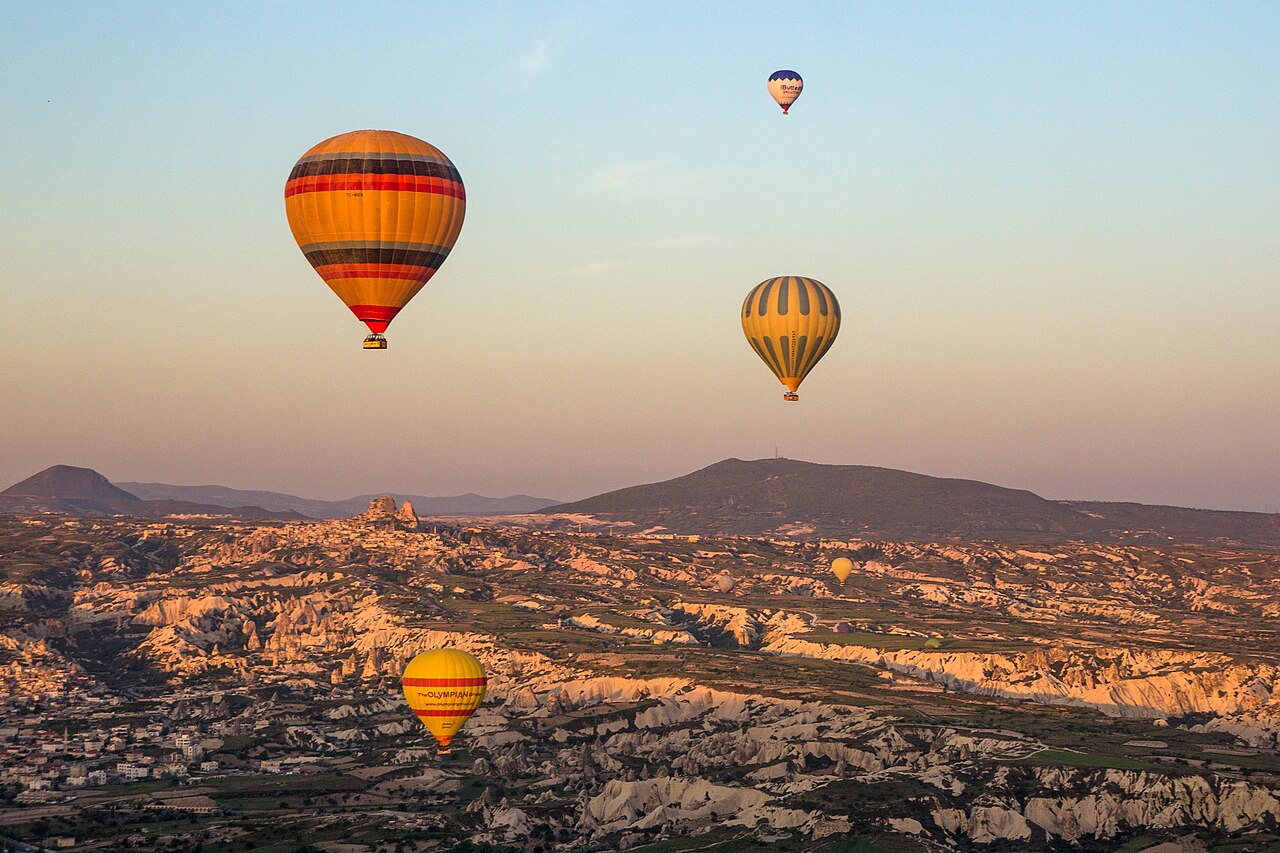
Cappadocia sits on a high plateau in central Anatolia, and that altitude gives it a true four-season climate: hot, dry summers, cold winters with real snow, and two shorter seasons in between that can swing from sun to rain in a day. There is no bad month to see the fairy chimneys, but there are better months for particular plans. Here is how to match the season to what you want from the trip.
Autumn: the all-round favourite
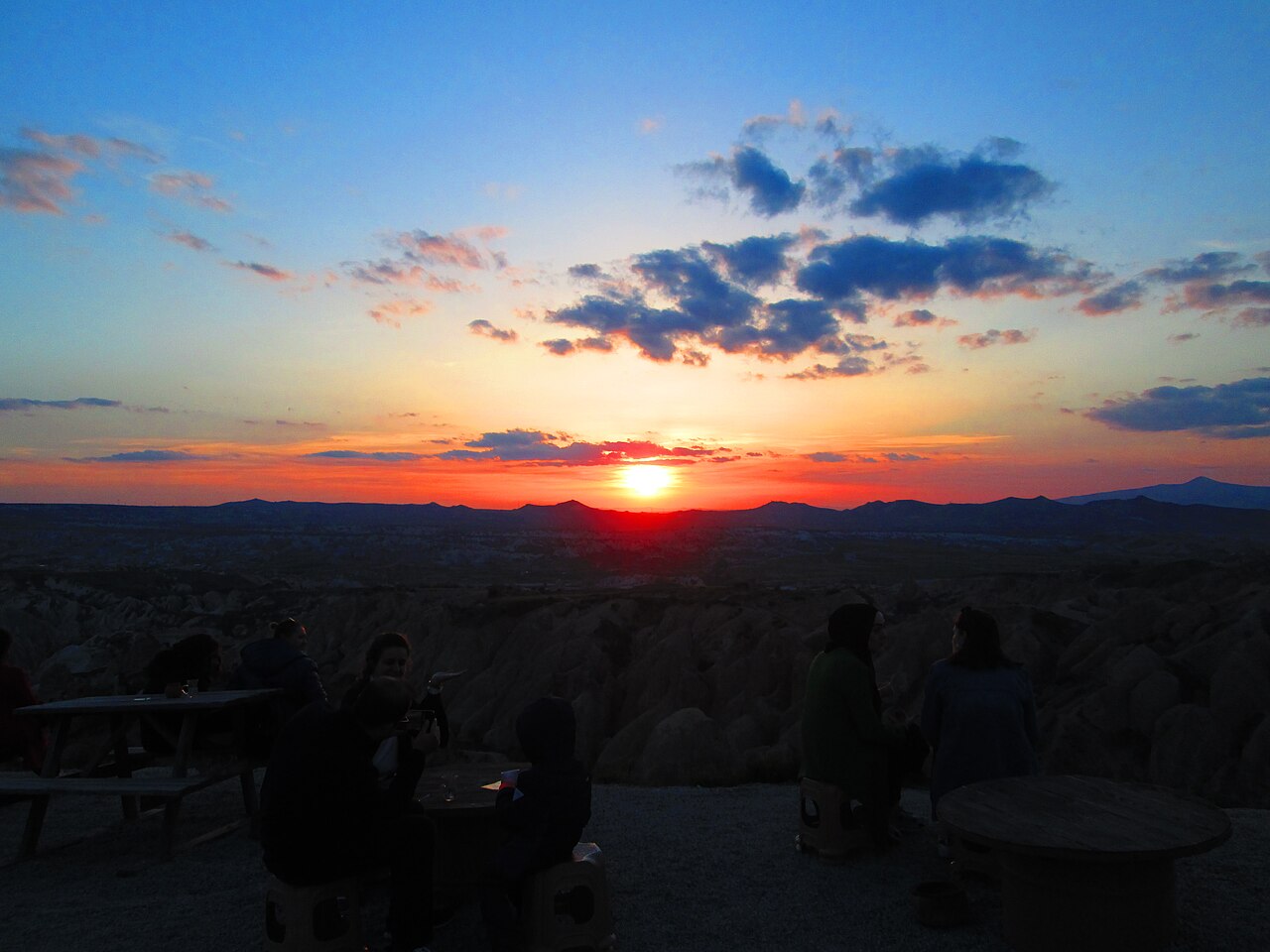
September, October and the first half of November are the choice for most visitors. Days are mild, the heat of summer has gone and the air is generally clearer and calmer than in spring, which helps the balloons. It is the best season for long walks through the Rose and Red Valleys, the Love Valley and the Ihlara Valley, and the vineyards around Ürgüp are in harvest. Evenings are cool enough that you will want a jacket on a terrace, and by November the nights can approach freezing, so the predawn balloon launch is properly cold. Hotel rooms with views book up early for September and October.
Summer: long days and big crowds
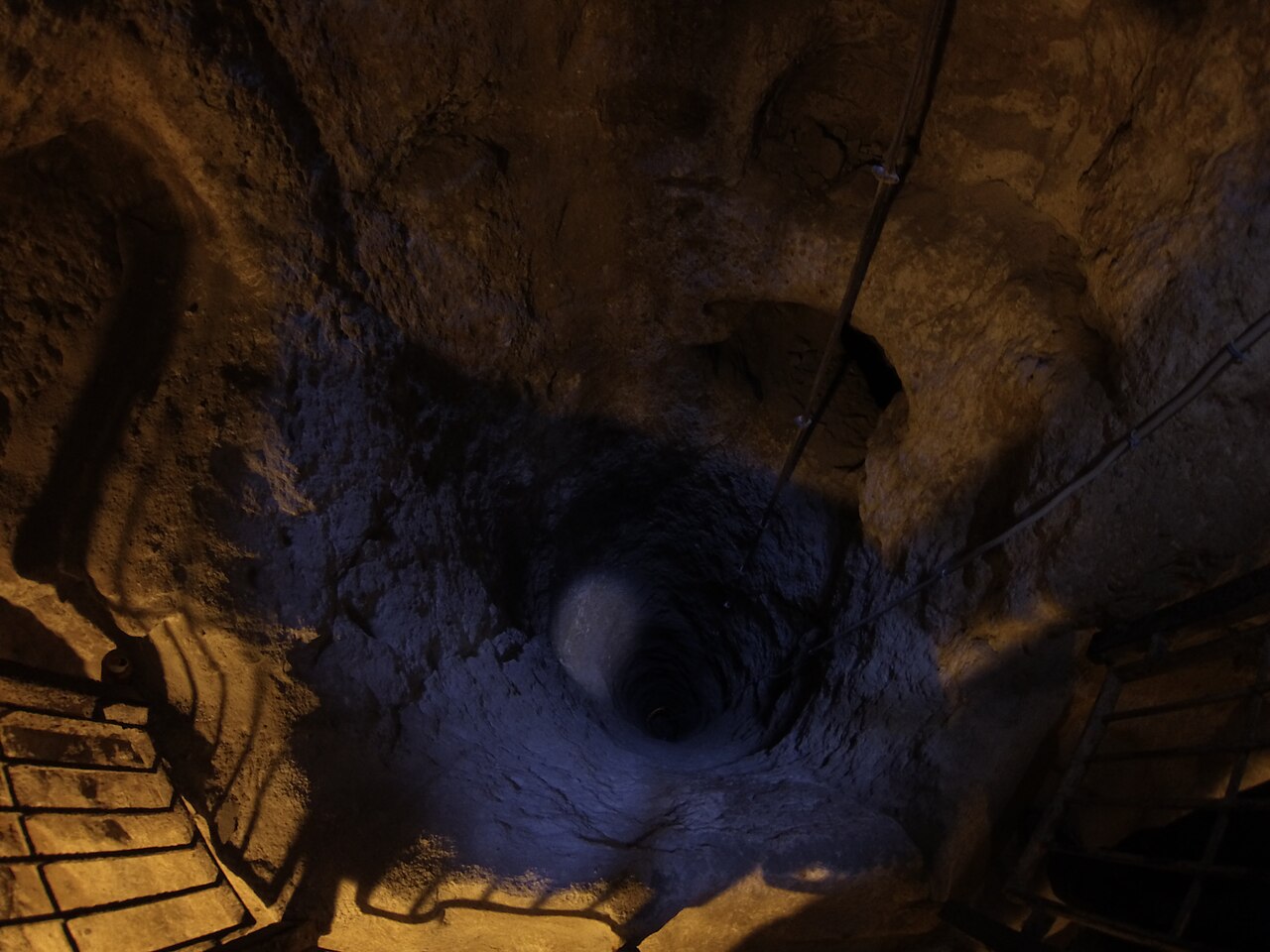
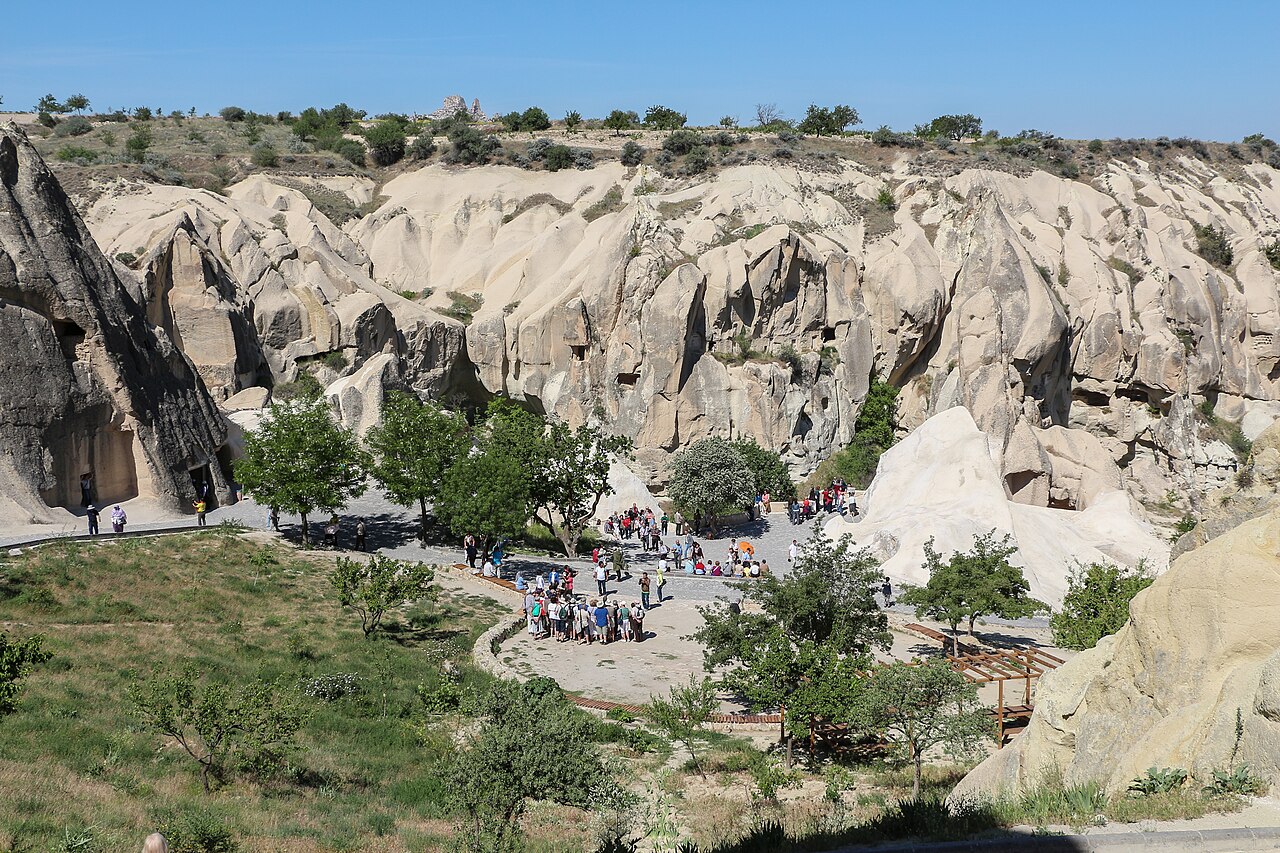
June to August is the busiest period. Days are hot and dry, the sun is strong on the exposed valley floors, and the best walking is early in the morning or in the last hours before sunset. Dawn is cool, so bring a layer for the balloon flight even in July. Summer is also the easiest time for outdoor activities: the sunset horseback ride, the quad and jeep safaris, paragliding and the camel ride all run with the least weather risk. Underground cities such as Derinkuyu and Kaymaklı are a welcome escape from the midday heat, because the temperature inside stays comfortable all year. Book balloons, popular rooms and the Turkish night show ahead, and expect queues at the Göreme Open-Air Museum by mid-morning.
Spring: green valleys, unsettled weather
From late March to May the valleys turn green and wildflowers appear, and the light is lovely for photography. The trade-off is weather. Spring is the wettest part of the year, and wind and rain can ground balloons and turn the valley trails muddy. Treat a spring trip as flexible: stay three nights rather than two, keep your balloon booking for the first morning so it can be moved, and pack a waterproof layer. Crowds build from Easter onward, but are lighter than in summer, and prices at cave hotels are often kinder in the shoulder weeks.
Winter: quiet, cold and beautiful
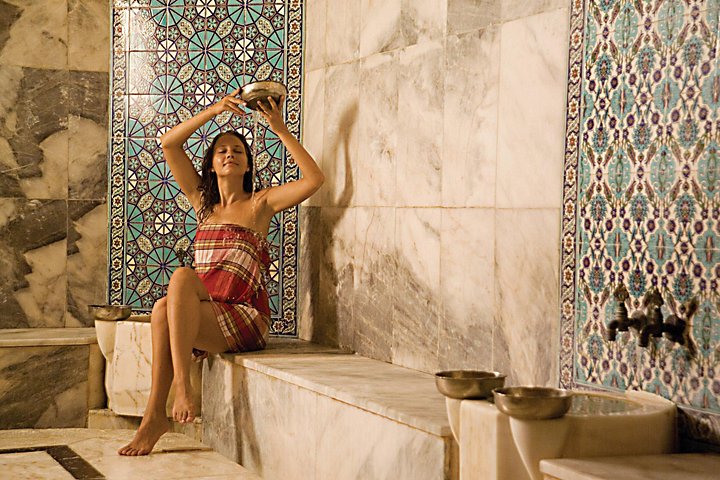
From December to early March, Cappadocia is cold, often below freezing at night, and snow is common. Fairy chimneys under a white coat are one of the region's best sights, and you will share them with very few people. The drawbacks are real, though: balloons fly less often and cancellations are frequent, some smaller businesses and restaurants close for the season, days are short and outdoor pools are shut. Choose a hotel with a hammam, a spa or fireplaces, and plan the days around the indoor and rock-cut sights: the Göreme Open-Air Museum churches, Zelve, the underground cities, a pottery workshop in Avanos, a wine tasting and a hammam. Check road conditions before driving to Ihlara or the more remote valleys after snowfall.
Choosing by priority
If the balloon flight matters most, aim for the warmer months and early autumn, and give yourself at least three mornings. If you want to hike, go in September or October, or in May if you accept some rain. If you want solitude and snow photographs, go in January or February and be relaxed about the balloons. If you are travelling with children or older relatives, shoulder months such as late April, late May and late September avoid both the summer heat and the winter chill.
Whatever the month, pack for temperature swings
Nights are cool even in summer and the dawn launch is always colder than the afternoon. Wear layers, bring shoes with grip for loose volcanic soil and carry water on valley walks. Sunrise comes early in summer and late in winter, so check your pickup time the evening before. Public museum hours vary by season, so confirm opening times for the site you want rather than assuming a fixed schedule.
Holidays and events
Turkish public and religious holidays bring domestic visitors and higher prices, and the dates move each year, so check the calendar before booking. Late December and the New Year are busy with a small peak of winter visitors, even though the weather is cold.