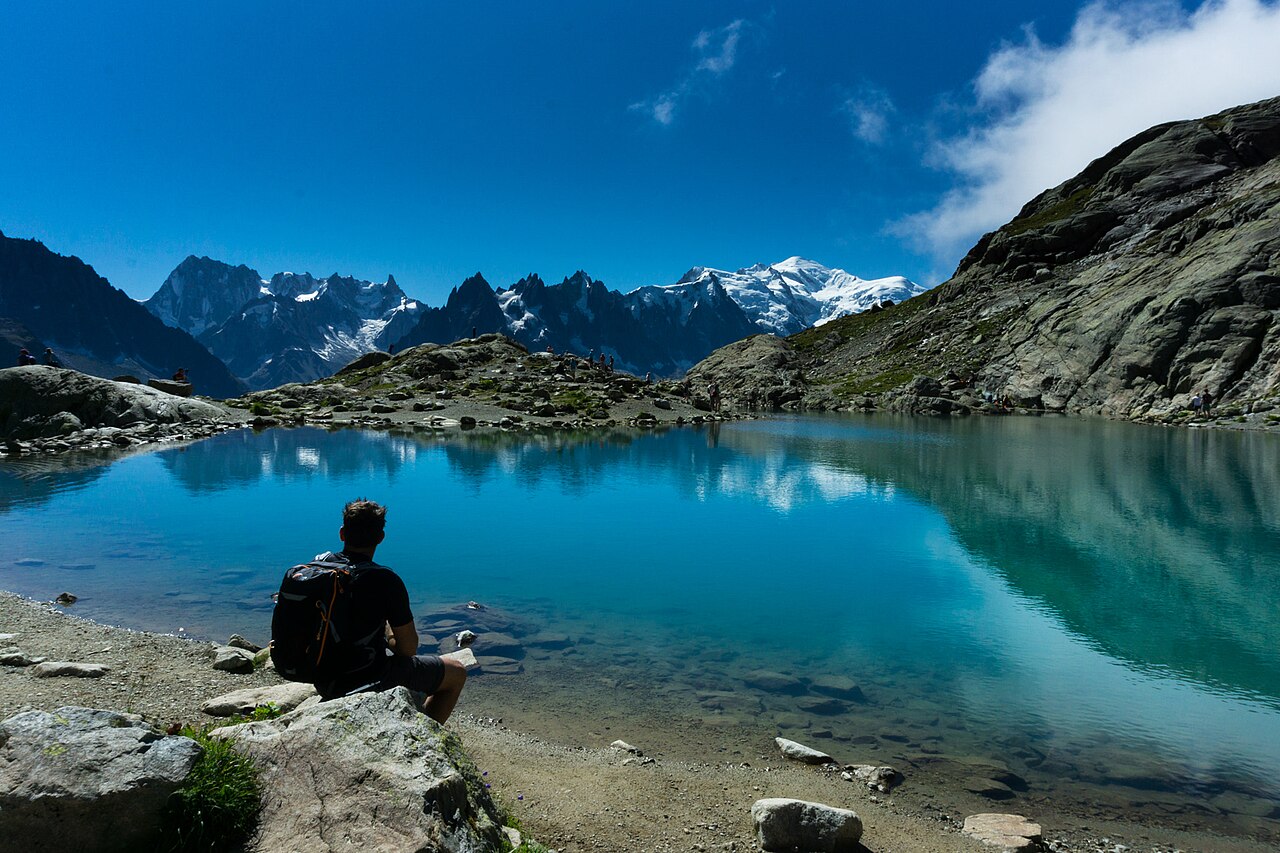
The Aiguilles Rouges are the range that gives Chamonix its famous view. Facing Mont Blanc across the valley, they take their name from the gneiss bedrock, which turns reddish as the iron in it oxidises, and since 1974 they have been a protected nature reserve, created after local people pushed back against the pace of tourist development. Within it you find a staircase of habitats: spruce and larch forest at the bottom with woodpeckers and owls, rhododendron and bilberry moors in the middle where black grouse live, and above them meadows, ponds, peat bogs and rock where ibex, rock ptarmigan and dragonflies are at home. The summits are bare rock and moraine, but the lakes are the draw, among them the Chéserys lakes, the Lacs Noirs, Lac Cornu, Lac du Brévent and Lac Blanc. Entry is free, and most of the reserve is simply walking country.
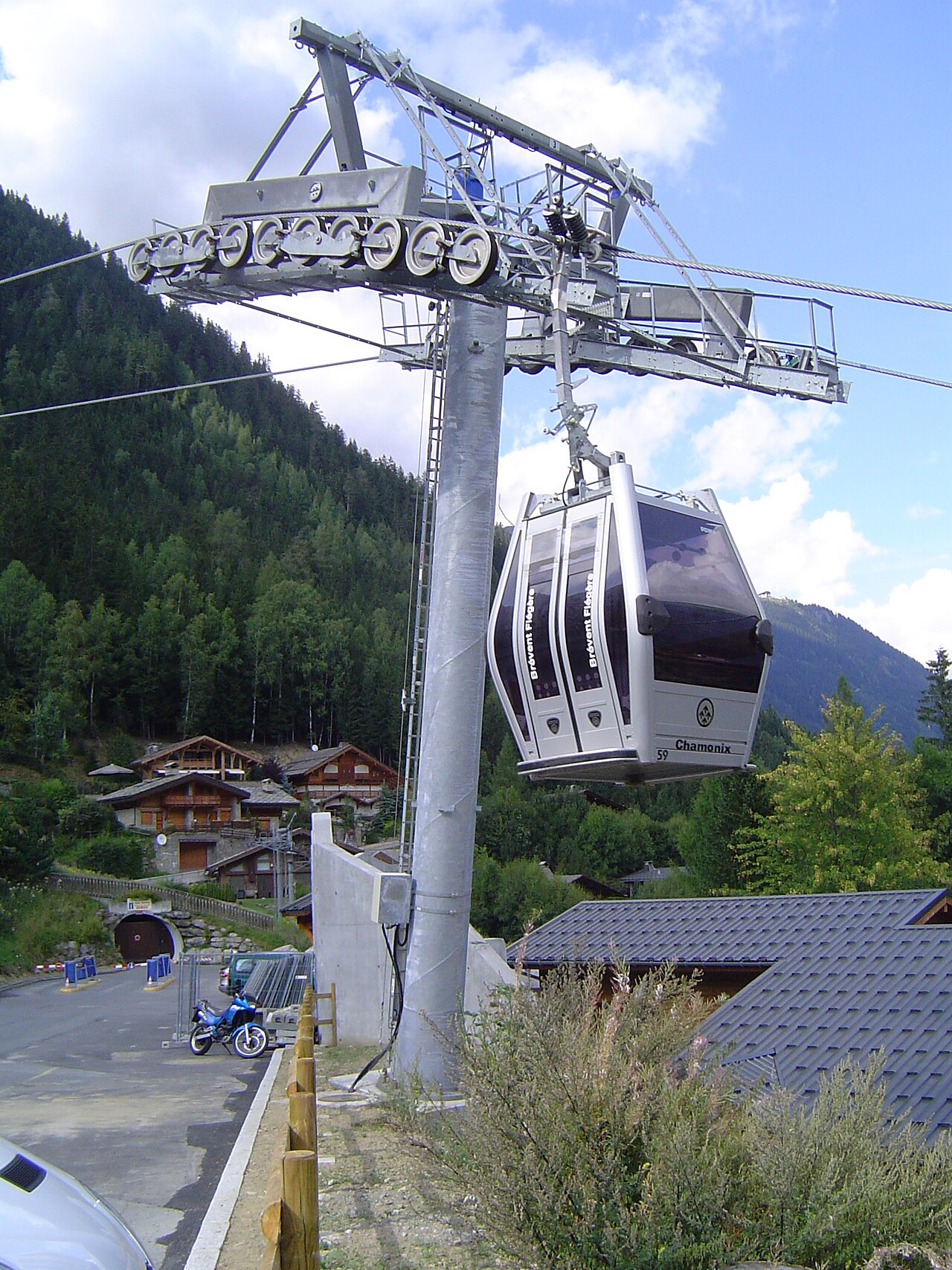
There are several ways in. The easiest is to take the Flégère or Brévent lift and walk from the top station, which saves the first thousand metres of climbing and puts you straight onto the balcony path that runs along the range facing Mont Blanc. You can also walk up from the valley floor on any of the many footpaths between Chamonix and the Col des Montets.
The Col des Montets, at 1,461 metres on the road to Switzerland, is where the reserve's visitor centre stands, with exhibits, an interactive lab, a refreshment stand and a nature trail, and it is the best first stop if you have children or want to learn what to look for.
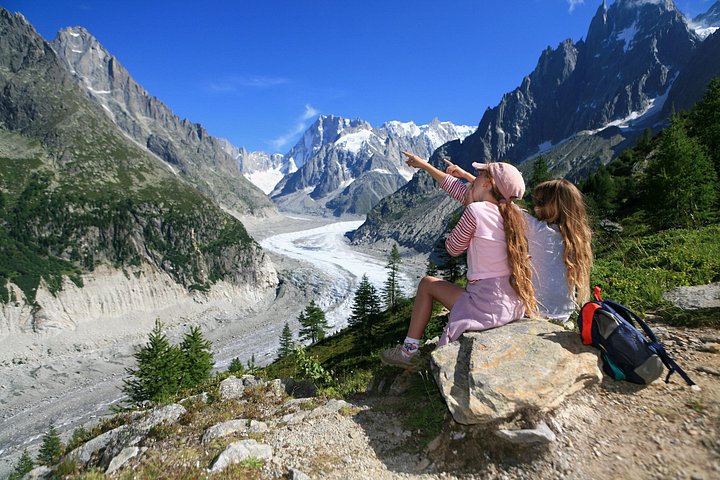
Look for ibex on the high ledges, chamois on the steeper slopes, marmots whistling from the meadows and golden eagles circling above, and bring binoculars if you have them. The classic walks are the Lac Blanc and Chéserys loop, the Alpine Lakes trail and the long route that links the lakes, and a four-day circuit of the range exists for those who want a proper trek. The Tour du Mont-Blanc also passes along the edge of the reserve, so walkers on the great circuit pass through in a day.
The reserve has rules that matter
No dogs, no camping or fires, no picking flowers, no drones and no loudspeakers, and swimming is banned at Lac Blanc and the Chéserys lakes. Bivouacs need a reservation, and events need authorisation. Follow them and the place stays wild. The high paths are snow-covered into early summer, so go from about July to October, start early, carry water, a windproof layer and a map, and check the weather before you set off.
If you want to understand what you are looking at, a short guided walk with a mountain leader is worth the money.
A good first day combines the lift and the visitor centre. Ride up from the valley in the morning, walk the balcony path to the lakes, and drive or take the bus to the Col des Montets in the afternoon for the exhibits and the nature trail. Children who are bored by distance often respond to a wildlife game, so give them a list of animals to spot, and tell them the rules before you start.
If you want to go deeper, local mountain guides and the visitor centre can arrange guided days with a naturalist, which transforms a pretty walk into a lesson in alpine ecology.
What to expect
The experience
A protected mountain range of forest, moorland, lakes and rock, explored on marked footpaths from the valley or from the Flégère and Brévent lifts.
Best time
July to October, in clear weather, with an early start to catch the best light and the wildlife.
How long
From a two-hour nature trail to a full day on the lakes loop.
Tips
Follow the reserve rules, keep dogs out, carry water and layers, and visit the Col des Montets centre first.
Quick picks
- Best for
- Walkers and wildlife fans who want quiet trails with the Mont Blanc view in front of them.
- Families
- The nature trail at the visitor centre and the shorter lake walks suit children who can manage a mountain path.
- Couples
- A balcony walk with Mont Blanc across the valley, and a picnic by a lake.
- Pair with
- The Lac Blanc hike, the Flégère gondola or a paragliding flight.
- Time needed
- Half a day to a full day.
Good questions
Is the Aiguilles Rouges reserve free?+
Yes, access is free. You pay only for any lifts you use to reach the paths.
Why are they called the Red Needles?+
The gneiss rock of the range turns reddish as the iron in it oxidises, which gives the Aiguilles Rouges their name.
Can I take my dog?+
No. Dogs are not allowed in the reserve, along with camping, fires, drones and picking flowers.
Where is the visitor centre?+
At the Col des Montets, at 1,461 metres, on the road from Argentière towards Switzerland. It has exhibits, a refreshment stand and a nature trail.
When can I walk the high trails?+
Generally from about July to October, depending on how much snow is left. Check conditions with the tourist office or the High Mountain Office.