Chamonix is a small Alpine town under the highest mountain in Western Europe, and nearly everything worth doing here depends on a lift, a season and the weather. A little planning, especially around opening dates, makes the difference between a spectacular trip and a disappointing one.
Check the lift calendar first
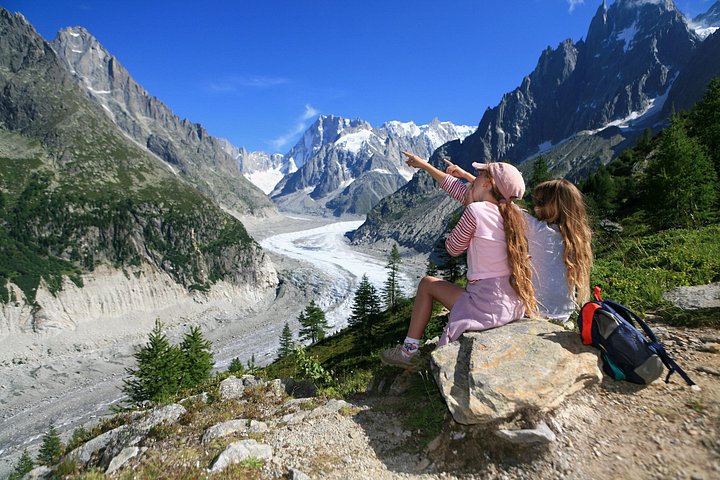
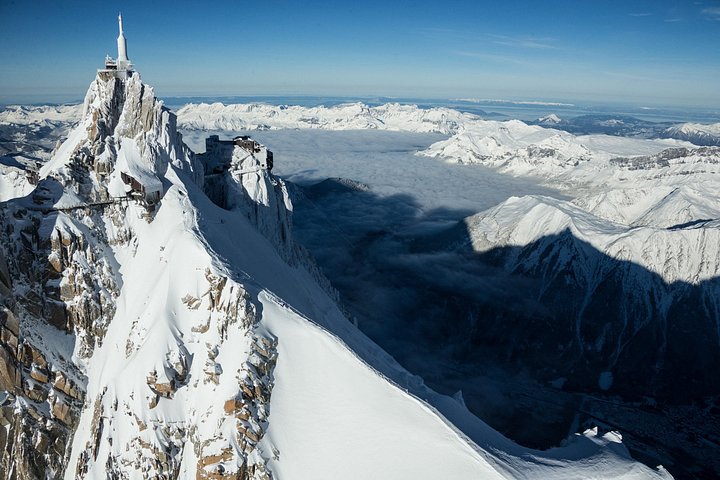
The valley's lifts follow the season, and the gaps matter. The Aiguille du Midi cable car closes for about six weeks of annual maintenance and, in 2026, closed on 1 November and is due to reopen on 19 December. The Montenvers train and the Mer de Glace gondola closed on 1 November and are scheduled to reopen on 5 December, with the ice cave following on 17 December. Flégère is due to open on 28 November and the Brévent on 12 December. The Panoramic Mont-Blanc gondola to Italy is summer only and is closed until about mid-May 2027. In the weeks between, the valley has no lifts running at all, so a November visit is for walking and town, not for the high mountains.
When the ski season starts
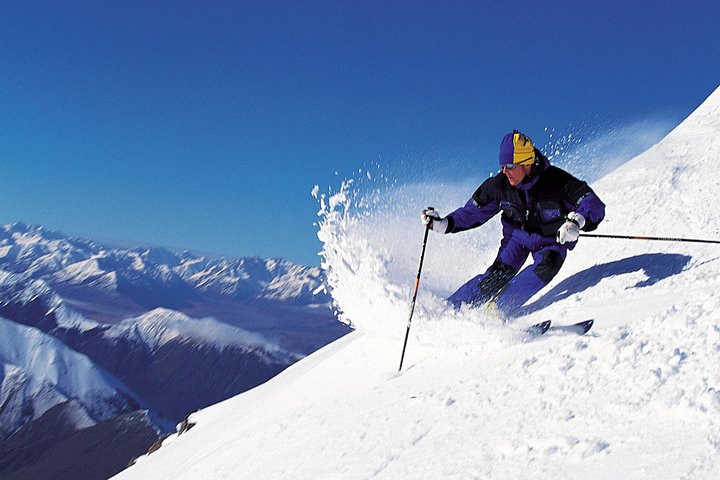
The season usually starts in mid-December. The first scheduled openings are Les Grands Montets and Flégère on 28 November 2026, and the Brévent, Les Houches and Balme on 12 December, but opening depends on snow. If you want reliable skiing, plan for January to March, and book ski hire, lessons and accommodation early for Christmas, New Year and the February holidays.
What to book ahead
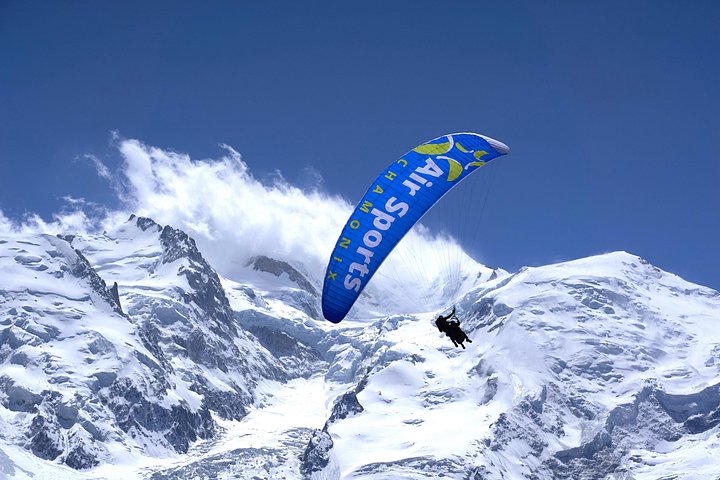
The big three are the Aiguille du Midi, the Montenvers and Mer de Glace, and a tandem paragliding flight, and all three sell timed or limited slots in busy periods. The Aiguille du Midi in particular fills up in summer and at Christmas, so book as soon as your dates are firm and choose a morning slot for the clearest air. For a paragliding flight, book flexible dates early in your trip, because weather decides. Ski lessons, a Vallée Blanche guide and dog sledding also need early booking in the school holidays.
How many days
Two days covers the headline sights: one for the Aiguille du Midi and one for Montenvers and the town. Three days adds a paragliding flight, the Brévent or a hike, and four or five days lets you ski, walk and take a rest day. If weather is poor, high-altitude lifts can be closed or pointless in cloud, so leave at least one flexible day, and check the webcams and lift status each morning.
Getting around
The town centre is compact and walkable, and the railway station, the Aiguille du Midi, the Montenvers train and the Brévent cable car are all within about fifteen minutes on foot. The Mont-Blanc bus and the valley train link the villages and ski areas, and you do not need a car in the valley. From Geneva, the drive takes a little over an hour, and shuttles and day trips run all year. If you plan a day out from Geneva, a guided day trip is the simplest option. Bring a passport or identity card for any crossing and for the Panoramic gondola to Italy.
Where the headline sights fit
Start with the Aiguille du Midi on your first clear morning, then use the afternoon in town. Put the Mer de Glace on the next day, with the cogwheel train, the gondola and the ice cave. Save a paragliding flight or the Brévent for a day with clear weather, and keep Lac Blanc for summer. In winter, swap the hikes for skiing, snowshoeing or dog sledding, which are all easier to book once the season opens.
Practical tips
Dress in layers, because the temperature drops sharply with height and even a July morning at the top of the Aiguille du Midi is freezing. Take sunglasses and sun cream at any time of year, drink plenty of water at altitude, and check opening hours for restaurants in the off season, because many close for a few weeks in November. Tipping is modest, and a few words of French are always appreciated.