Charleston is one of the most beautiful cities in the country, and it is also one of the most important places for understanding the history of slavery and of African American culture in the United States. Charleston was the main port of entry for enslaved Africans in North America, and the labor and skills of Black Charlestonians built much of the city visitors admire. This guide suggests how to explore that history with care, in a way that adds depth to a trip rather than sitting apart from it.
Why Charleston matters
The Lowcountry's wealth in the colonial and antebellum eras rested on rice, indigo and later cotton, grown and processed by enslaved people, many of whom brought West African knowledge of rice cultivation. The domestic slave trade operated in the heart of the city, and Charleston was the site of both resistance, such as the planned uprising associated with Denmark Vesey, and a thriving community of free people of color. After emancipation, Black Charlestonians built churches, schools, businesses and neighborhoods that shaped the city and, in time, the civil rights movement. Understanding this layered story helps explain everything else you see.
Who the Gullah Geechee are
Along the southeastern coast, from North Carolina to Florida, communities of African Americans preserved distinctive language, cooking, music and crafts because of relative isolation on the sea islands and coast. They are known as the Gullah Geechee, and their culture is a living inheritance, not a museum piece. You will hear the Gullah language, see sweetgrass baskets, taste red rice and okra soup and notice the blue paint on porch ceilings that tradition says wards off spirits.
Begin with a museum
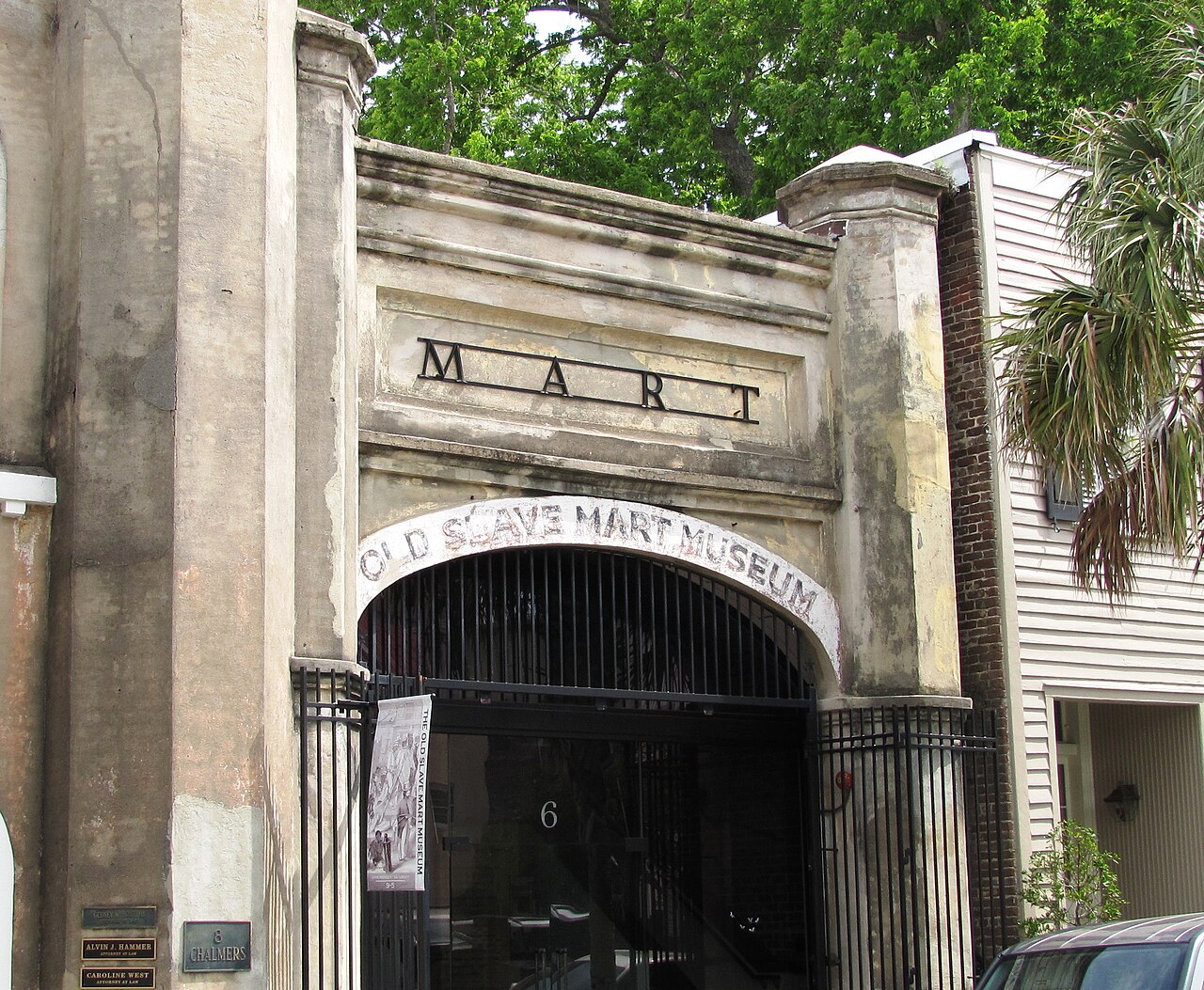
The International African American Museum, on the harbor at the site of the old Gadsden's Wharf, is the best place to start. Its exhibits and genealogy resources trace the journey from Africa through the Lowcountry and onward across the country, and the setting by the water gives the story weight. The Old Slave Mart Museum, in a former slave auction building on Chalmers Street, concentrates on the domestic slave trade and offers a small but powerful space. Both reward unhurried visits and should not be squeezed between other stops.
Add a walking tour
A guided walk through the peninsula connects individual sites into a single story and gives you someone to ask. Tours of this kind point out auction locations, workshops, churches and neighborhoods, and they explain how the craftsmen who made the city's ironwork, brickwork and joinery were often enslaved or free Black artisans. Take a walking tour early in your visit, so that you see the rest of the historic district differently, and treat the guide's perspective as one voice among several.
Visit the houses with context
Several house museums now interpret the lives of the enslaved people who lived and worked there, rather than only the families who owned them. The Aiken-Rhett House, with its largely unrestored service buildings, is especially striking, and plantation sites along the Ashley and Wando rivers include slave streets and exhibits. Choose the sites that give the most space to this history, and read the interpretive signs, which have improved a great deal in recent years.
Learn through the hands and the table
A sweetgrass basket experience introduces a craft that arrived from West Africa and survives in Mount Pleasant and the markets of Charleston. Buying directly from makers supports families who keep the tradition alive, and the prices reflect weeks of skilled work. At the table, look for restaurants that credit the Gullah kitchen, with dishes such as shrimp and grits, okra, benne seed and red rice, and consider a food tour that explains the origins of the cuisine.
A plan for one day
Start with a guided walking tour in the morning, followed by the Old Slave Mart Museum. Take a lunch of Lowcountry food, then spend the afternoon at the International African American Museum. End with a quiet walk along the waterfront. If you have a second day, add a plantation visit and a basket experience. Leave time between stops to reflect, because the material is heavy, and avoid a schedule so tight that you cannot talk about what you have seen.
Travel respectfully
Be mindful in sites that were places of suffering, avoid treating them as backdrops for photographs and listen to the people who guide you. Take your children if they are old enough to understand, and prepare them first. Support Black-owned businesses, guides and makers where you can. A visit shaped this way is not only more informative but also more honest, and it is the best way to understand the city beyond its postcards.