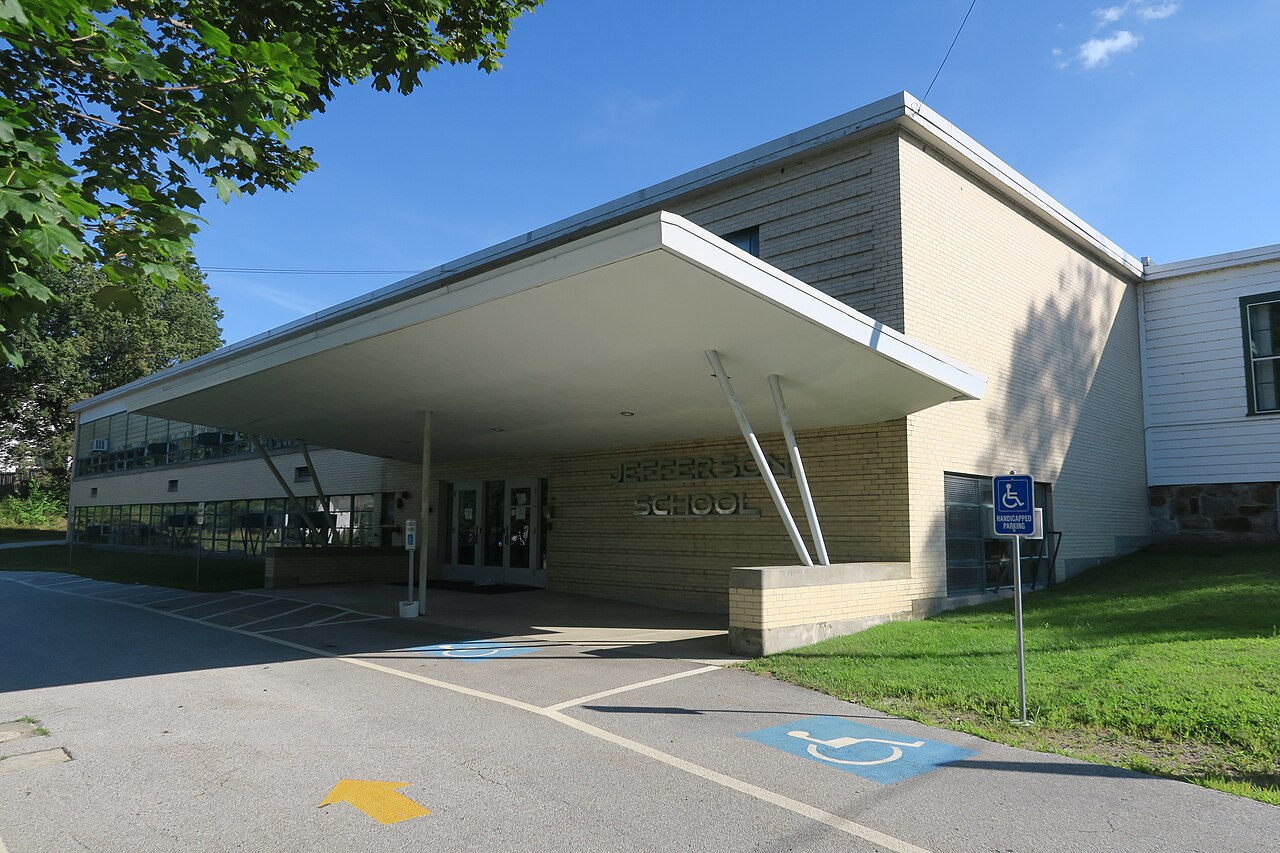
The Jefferson School African American Heritage Center sits in the building that housed the city's Black public school from the 1920s into the 1960s, and it is the best place in Charlottesville to hear the story of the African American community in its own voices. The center uses photographs, documents, oral histories and artifacts to trace Black life from enslavement through Reconstruction, Jim Crow and the civil rights era. It is a small museum, but a focused one, and a necessary complement to the presidential homes that dominate the area's tourism.
The school itself matters. Jefferson School served Black students at a time when segregation limited facilities and opportunities, and generations of Charlottesville residents were educated here. The building anchored the neighborhood of Vinegar Hill, a thriving Black business and residential district that was cleared in a 1960s urban renewal program. The exhibits explain what was lost, who lived there and how the community remembered it, and former residents' voices bring the story to life.
The center also documents wider themes, including the school desegregation fight in Virginia, when some localities resisted integration, and the daily lives of working families. Exhibits are designed for general visitors, with readable panels and recordings, and the staff and volunteers often have personal connections to the stories. A visit gives context for monuments and sites elsewhere in the city and for the history behind present-day conversations about memory and justice.
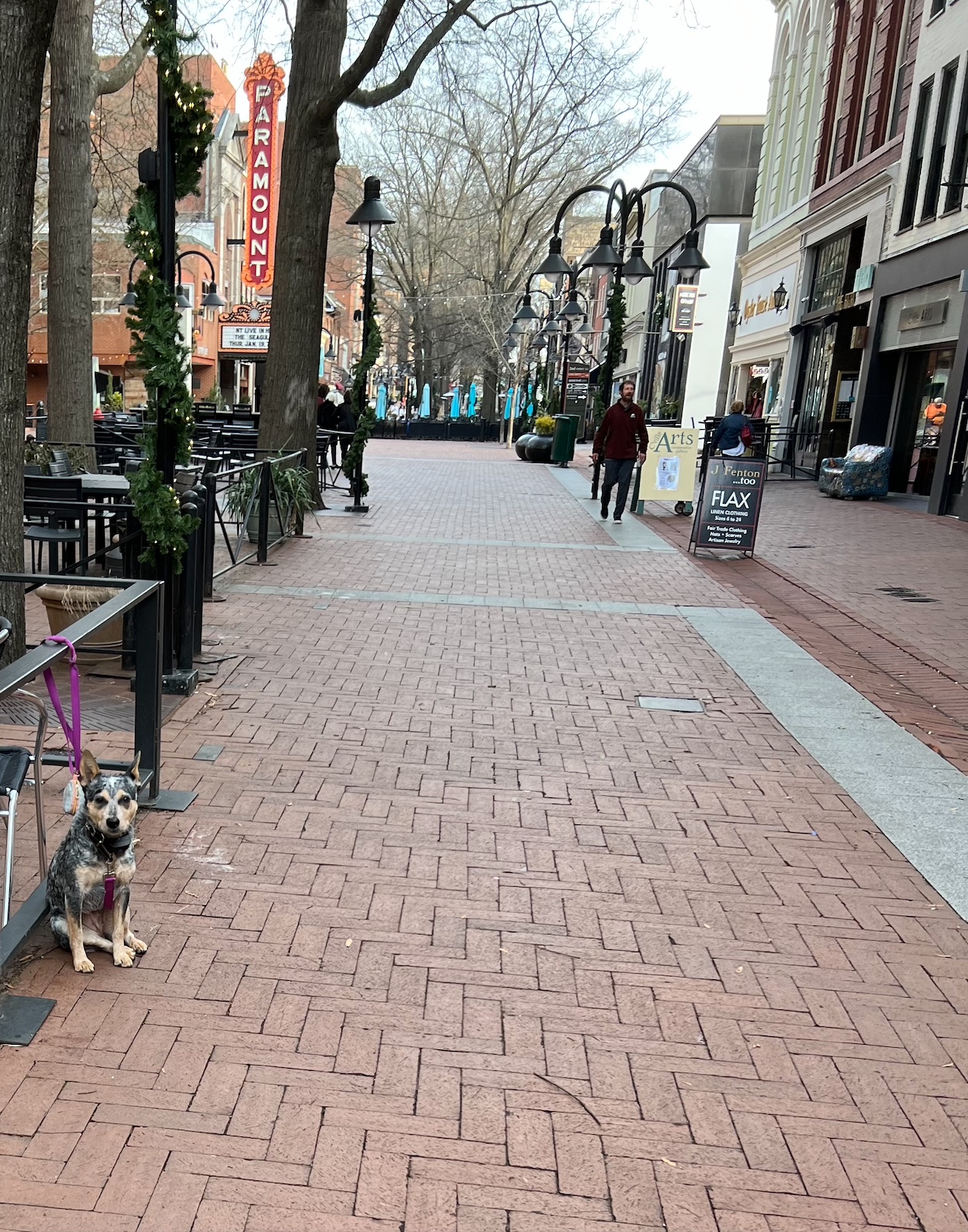
The museum fits easily into a day with other history stops. It is a short drive or walk from the Downtown Mall, and it pairs well with the Memorial to Enslaved Laborers at UVA and a visit to Monticello's interpretation of slavery. Visitors often find that seeing the Black community's story told by the community itself changes how they understand the other sites.
Plan for about an hour. Opening days and hours are limited, so confirm them before you go, and check whether the center is hosting events or programming that could add to your visit. Admission policies and hours change, so verify them ahead. The center is a good rainy-day stop and a meaningful one for families with older children.
Visiting thoughtfully adds a great deal. Take time to read the quotations and listen to the recordings, because the personal voices are the heart of the museum, and talk to the staff or volunteers if they are available. Consider following the visit with a walk through the nearby streets where Vinegar Hill once stood, and with a stop at other places that tell parts of the city's story, from the Memorial to Enslaved Laborers at the University to the interpretation at Monticello and Highland.
Together these sites give a fuller, more honest picture of Charlottesville than any single attraction can offer, and they leave visitors with questions worth carrying home.
What to expect
The experience
A small museum with photographs, documents, oral histories and rotating exhibits in a historic school.
Best time
Any weekday during opening hours; check the schedule first.
How long
About an hour.
Tips
Confirm opening days, and read the Vinegar Hill material carefully.
Quick picks
- Best for
- Visitors who want the city's history beyond the presidents.
- Families
- Older children and teens who can engage with the history.
- Couples
- A thoughtful stop before dinner downtown.
- Pair with
- Monticello's slavery tour and the UVA memorial.
- Time needed
- One hour.
Good questions
What is the center about?+
It tells the story of Charlottesville's African American community through objects, images and oral histories.
What was Vinegar Hill?+
A historic Black neighborhood cleared in the 1960s; the center explains its history.
Is it open every day?+
Hours are limited, so check before you visit.
Is it suitable for children?+
It suits older children and teens best.
Is it near the Downtown Mall?+
Yes, it is a short drive or walk away.