Chefchaouen is a town of steps and hillside trails, so by the second or third day many visitors are ready for a rest. This relaxation pack pairs a floating session with a massage, each around three-quarters of an hour, in a calm indoor setting. Floating means lying in a shallow tank of warm, salt-rich water that holds you effortlessly at the surface, and many people find the experience deeply quiet, with muscles loosening and the mind slowing down. The massage follows, working through the shoulders, back and legs that have done the walking. It is a different kind of Moroccan wellness from the traditional bathhouse, more modern and more private, and it suits travellers who want calm rather than scrubbing. Together the two sessions take about an hour and a half, which fits neatly into an afternoon between a morning hike and an evening meal. Because slots are limited, it is sensible to book ahead for a particular day, especially in spring and autumn when the town is busiest.
Preparation is simple. Wear comfortable clothes, bring a towel only if the venue asks for it, and avoid a heavy meal just beforehand. Shower or rinse as directed, remove jewellery and contact lenses before floating, and tell the staff about any health conditions, injuries or allergies, since floating and massage are not suitable for everyone. If you are pregnant, have open wounds, or have a medical condition, check with a doctor and with the venue first.
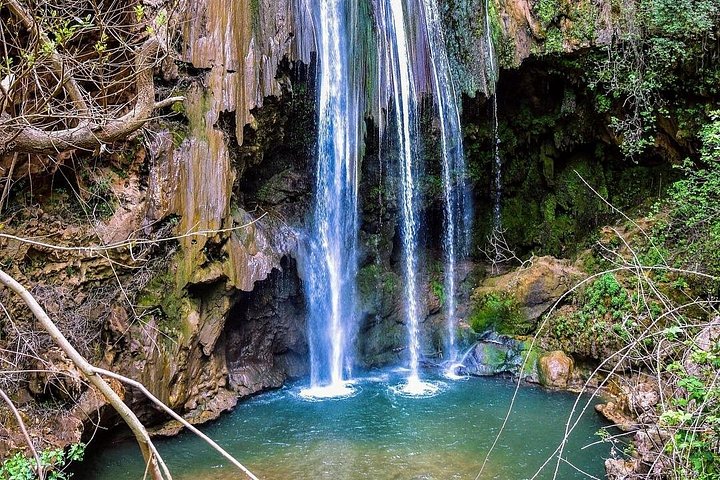
Timing matters. The best moment is after exertion, for example the afternoon following the Akchour waterfalls or the Spanish Mosque climb, when your legs will appreciate it most. Another good moment is the evening before an early departure, when you want to sleep well. The session fits couples who book consecutive slots and solo travellers who want something restorative.
If you prefer a traditional experience, a local hammam is an alternative, and several of the town's hotels offer their own spa services, so compare the options. The hammam is communal, social and vigorous, while floating is private, silent and gentle.
Both have a place on a longer stay. Check the exact location when you book, because small wellness venues in the medina can be tucked down lanes that are hard to find, and ask whether staff can meet you at a landmark. Allow time to walk there, since the lanes are steep and cannot be driven. Tipping the therapist is customary, so keep a few small notes. Finally, drink water afterward and give yourself a quiet evening, because the relaxation is part of the effect.
If you travel as a couple or with friends, ask whether sessions can run in parallel or back to back, and whether tea is served afterwards. It is also worth asking about hygiene practices, how the water is treated and whether sessions are private, since good venues explain these points readily. Arrive a few minutes early, switch off your phone and let yourself slow down.
For many travellers this is the part of the trip they remember as the true holiday, a pause between the climbing and the sightseeing. If your schedule is tight, choose a slot in the late afternoon so that you can drift back to your hotel, rest and eat a light dinner.
What to expect
The experience
A floating session followed by a massage, each of roughly 45 minutes, in a calm indoor setting.
Best time
Afternoon after a hike or a long walk, or the evening before an early departure.
How long
About an hour and a half in total.
Tips
Avoid a heavy meal beforehand, remove jewellery and lenses before floating, mention any health conditions, and keep small notes for a tip.
Quick picks
- Best for
- Hikers and walkers who want to recover, and couples looking for a quiet treat.
- Families
- Better suited to adults. Check the venue's age policy before booking for teenagers.
- Couples
- Book back-to-back slots so you can finish at the same time and then go straight to dinner.
- Pair with
- Schedule it after the Akchour waterfalls or the Spanish Mosque climb.
- Time needed
- About an hour and a half, plus travel time through the medina.
Good questions
What is a floating session?+
You lie in a shallow tank of warm, salty water that keeps you effortlessly afloat. Many people find it deeply relaxing.
Is it suitable for everyone?+
Not always. Tell the staff about health conditions, injuries, allergies or pregnancy, and check with a doctor if you are unsure.
What should I bring?+
Comfortable clothes and, if asked, a towel. Remove jewellery and contact lenses before floating.
How does it compare with a hammam?+
A hammam is communal, warm and vigorous, while floating is private, silent and gentle. Many visitors try one or the other, and some try both.
Should I book ahead?+
Yes, slots are limited, especially in spring and autumn. Choose a date and confirm the meeting point when you book.